
The Hidden Issues with Wearing Flip-Flops and Sandals Without Backs
Listen to the podcast version of this article.
"Your feet are the foundation of your body—if they aren’t properly aligned, the whole body suffers."
—Dr. William Rossi, Podiatrist
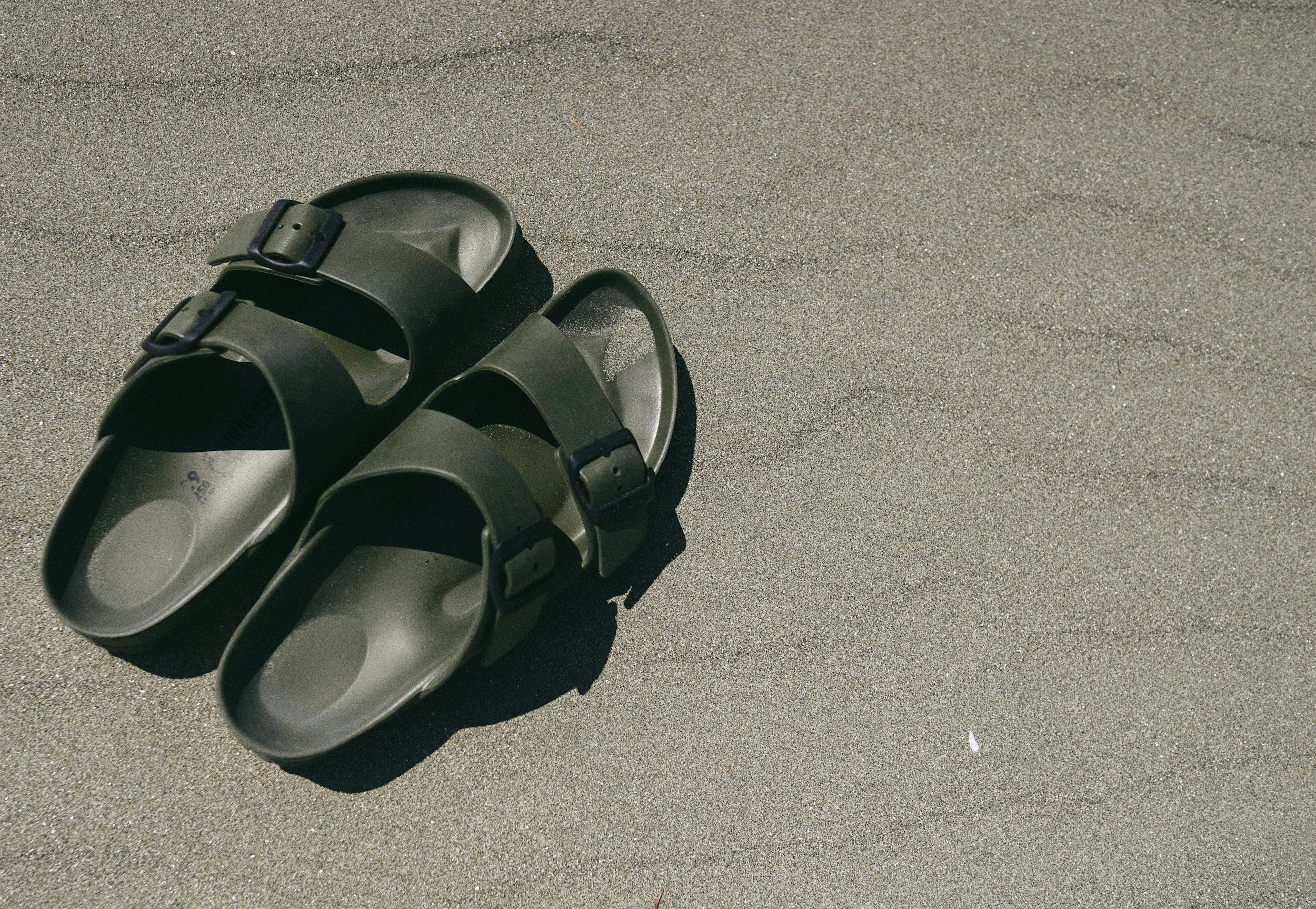
I was chatting with a patient and a coworker recently, and both mentioned they switch into “house slippers” as soon as they get home. When I asked why, their answer was simple: “They're more comfortable.” But here’s the catch: by opting for backless slippers (a.k.a. slides), they’re not only avoiding going barefoot (which, aside from sleep and showers, could actually be beneficial for foot health), but they’re also neglecting to strengthen their feet by not wearing minimalist shoes. In fact, these backless slippers may be doing more harm than good, and, unfortunately, it’s becoming more of a trend.
While flip-flops and backless slippers may seem like a harmless and sinmple footwear choice, they come with hidden risks. These shoes can contribute to a variety of issues that affect not only your feet but also your knees, hips, and posture in the long term.
The Compensation Game: Why We Hold On with Our Toes
When you wear sandals without backs, your feet have to make compensatory adjustments to keep the footwear from slipping off. These compensations lead to altered movement patterns that can put unnecessary strain on various parts of the body. Let’s break down three common types of compensation:
The Shuffle: One of the most common ways people walk in flip-flops is by shuffling their feet along the ground. This happens because the sandals lack structure and stability, forcing the wearer to avoid lifting their feet fully to prevent the sandals from coming off. This results in reduced efficiency in gait and an increase in friction on the underside of the foot. Over time, the shuffling motion can lead to wear and tear on the toes and arches.
Holding on with the Toes: Many people (myself included) unconsciously grip the straps of their sandals with their toes to keep them from slipping off. While this might seem like a quick fix, it actually places unnecessary tension on the foot, leading to muscle fatigue, contractures, and discomfort over time. By gripping with the toes, the smaller muscles of the foot are forced to work overtime, weakening the arch and contributing to long-term issues like plantar fasciitis or bunions. This constant flexion also tightens the muscles in a downward position (plantar flexion) while limiting movement in the upward direction (dorsiflexion), which is essential for proper foot mobility. Essentially, it’s a compensatory mechanism that overworks certain muscles while neglecting others that should be helping maintain foot stability.
Knee Circumduction: The third common compensation involves the knees. To keep sandals secure, some people end up swinging their legs outward while walking, a movement known as knee circumduction. This means that instead of moving in a straight line, the knee travels in a circular motion, putting undue strain on the hip and knee joints. Over time, this altered gait can lead to discomfort and possible joint degeneration. As the knees are forced to move in a non-neutral position, they bear more load than they were designed for.
Short-Term Issues: Discomfort and Fatigue
In the short term, wearing flip-flops without backs may not seem like a big deal, but the small compensations add up. Here’s a look at some common short-term issues:
Foot Fatigue: As your toes grip, your feet tire more quickly. This is especially noticeable after long periods of walking or standing.
Calluses and Blisters: With the altered gait and friction from the sandals, the toes and the soles of the feet are more prone to forming calluses and blisters.
Foot Pain: You might experience foot pain at the end of the day due to the unnatural movement patterns caused by compensations like holding on with your toes or the shuffle.
These issues may seem minor initially, but they can lead to bigger problems if the habit of wearing backless sandals persists over time.
Long-Term Issues: Strain on the Body’s Systems
If you consistently wear sandals without backs, the consequences can go beyond foot fatigue and temporary discomfort. It can have a profound impact on your foot health:
Altered Posture: The compensatory movements that come with flip-flops affect more than just the feet. Over time, the knee circumduction, shuffling, and toe gripping can throw off your overall posture. Since the foot is the foundation of your body, when it is misaligned, it throws the rest of the body out of balance. This can lead to a cascade of misalignments, starting from the feet and going all the way up to the spine. Poor posture can then result in chronic back and neck pain, which is often worsened by the lack of proper support in flip-flops.
Overuse Injuries: The constant gripping of the toes or improper weight distribution when shuffling can lead to overuse injuries. Conditions like plantar fasciitis (inflammation of the foot's connective tissue), Achilles tendinitis, and bunions are commonly exacerbated by the unnatural motion forced by flip-flops. Over time, the foot's muscles, tendons, and ligaments can weaken or become inflamed, causing chronic pain.
Joint Degeneration: With the altered mechanics from knee circumduction, the load on your knee and hip joints is not distributed evenly. This can eventually lead to joint degeneration, wear and tear on the cartilage, and conditions like osteoarthritis. Since flip-flops don’t provide adequate cushioning or support, the shock absorption that normally occurs during walking is reduced, putting additional strain on your joints. This added pressure accelerates joint degradation over time, particularly if you’re on your feet a lot.
Foot Instability and Flat Feet: With the constant gripping and shuffling motions, the foot’s natural arch is compromised. This can lead to a flattening of the foot over time, which increases the risk of developing flat feet or fallen arches. As the arch weakens, it can lead to a domino effect of muscle imbalances and overcompensations up the body.
The Bottom Line: Should You Ditch Your Flip-Flops?
While flip-flops and backless sandals are certainly convenient for short-term, casual wear, they’re far from ideal for long-term foot health. The compensations they force on your body—shuffling, holding on with your toes, and knee circumduction—can create a series of issues that affect not only the feet but also your knees, hips, and back. Switch to ones that always have a back loop or strap around your heel.
What I Do
I’ve long been a fan of flip flops, but it wasn’t until I hit my 30s and learned about the issues with them that I switched. I now exclusively use one of two brands: Deliberate Life Designs and Luna Sandals. To overcome years of foot issues with backless flip-flops and sandals, I also use minimalist shoes most of the time, toe spacers, IASTM, and roll my foot on a golf ball to mobilize it, and use some mobility and exercise bands from Fasciitis Fighter (Toe Bands and Foot Trainer). Check out my full list of recommendations here.
Related:
