

For most couples, the start of the IVF treatment cycle is marked by the day of the very first injection. However, in actuality, the real countdown to treatment begins almost three months before, in a period which, oddly enough, never finds its way onto the informational pamphlets, slides of consultations, or parental recommendations. No calendar is given to mark this period, yet this is the only stage of the whole treatment process which is entirely in your control.
Going to any IVF center in mumbai , one would notice how the discussions there revolve around the treatment cycles, scanning, egg retrieval, and embryo transfer. Yet all of those things are important; the eggs retrieved in the process have been developing even before the cycle was planned, and the sperm used during the egg retrieval has been forming for roughly 10 weeks by that time. The weeks preceding treatment are not just waiting weeks they are preparation weeks.
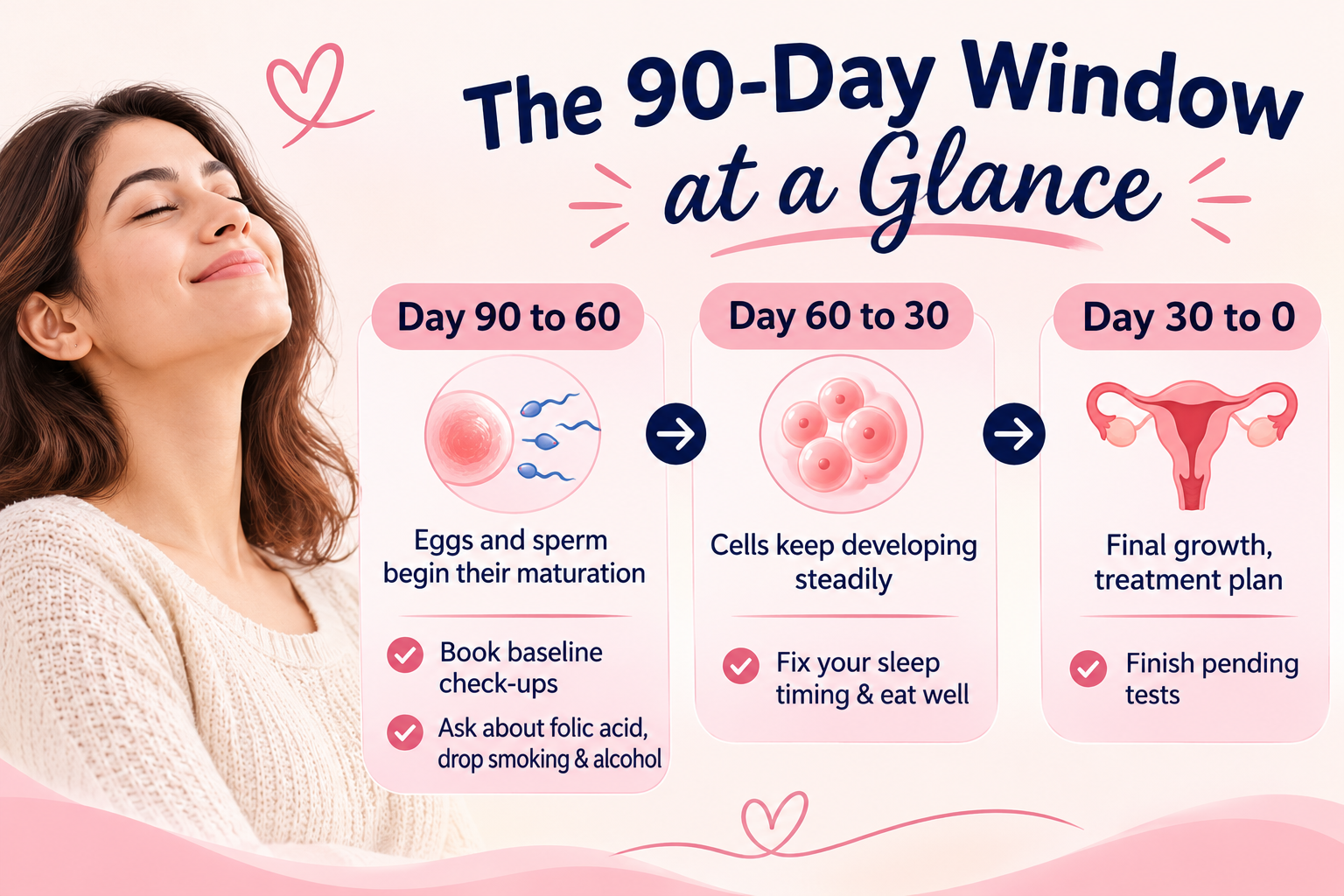
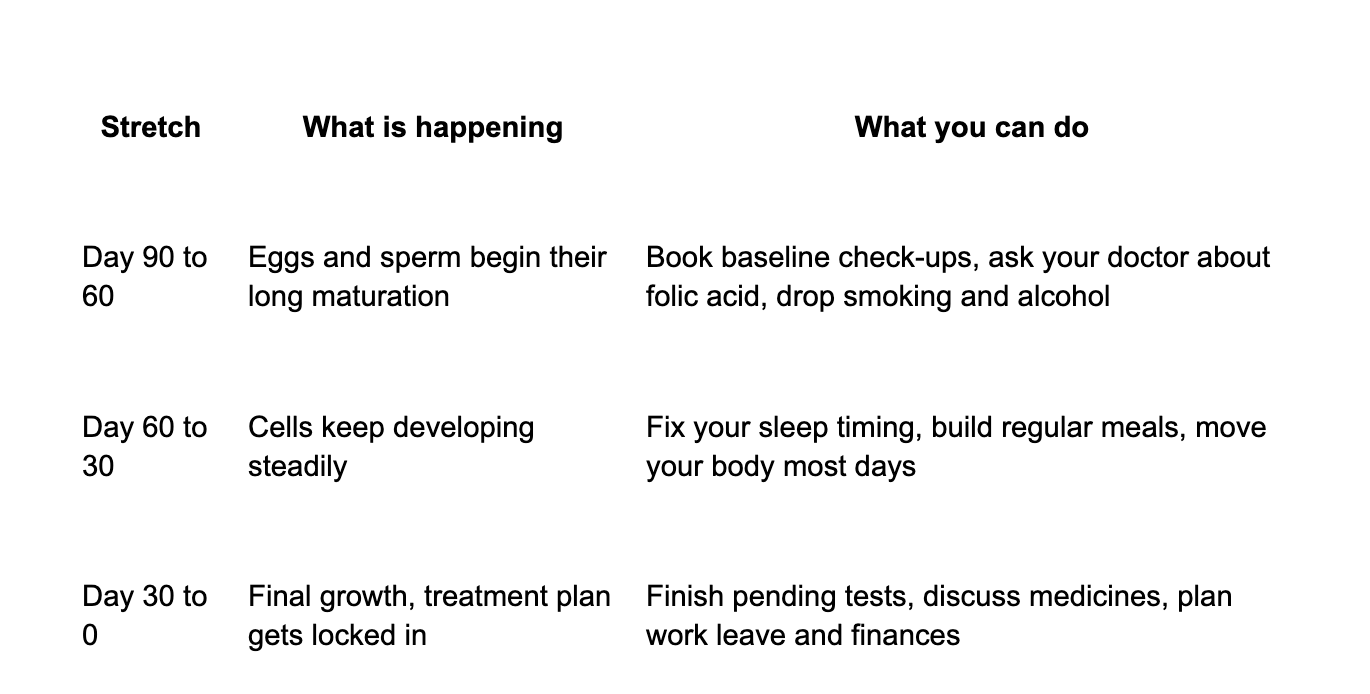
In this analogy, the weeks before the cycle would be like the weeks spent preparing the field for harvesting. You can be the most efficient farmer and use the best equipment, but the state of your field prepared long ago will affect the outcome greatly. Likewise, eggs and sperm take their time in development. An egg will take about three months to mature to the point at which it can be stimulated, and sperm need about 70 to 75 days. During that period, your sleep habits, nutrition, smoking, drinking, and stress level all affect the process.
This is why a good Dr. Bhoomika Jain, as a Gynecologist, asks all sorts of irrelevant-seeming questions about your schedule, weight, sleep, and family history before he recommends any scans. Those questions help to get an idea of what your body will require in the period of preparation.
The 90-Day Window at a Glance
Numbers Worth Remembering
90 days: about the time required for egg maturation before the cycle starts
70-75 days: about the time sperm takes to mature
400 mcg: the recommended daily intake of folic acid before pregnancy
2 people: both individuals will be tested, and not just the female
Tests Worth Asking For Early
AMH and antral follicle count: provides an estimate of ovarian reserve.
Thyroid hormone and prolactin: hormonal imbalance silently affects ovulation.
Vitamin D and B12: deficiency is common and easily treated.
Seminal analysis: simple and can be deferred for months.
Pelvic ultrasound: examines the uterus and ovaries for possible fibroids or cysts.
The above are some common initial investigations. Your doctor selects what applies to you.
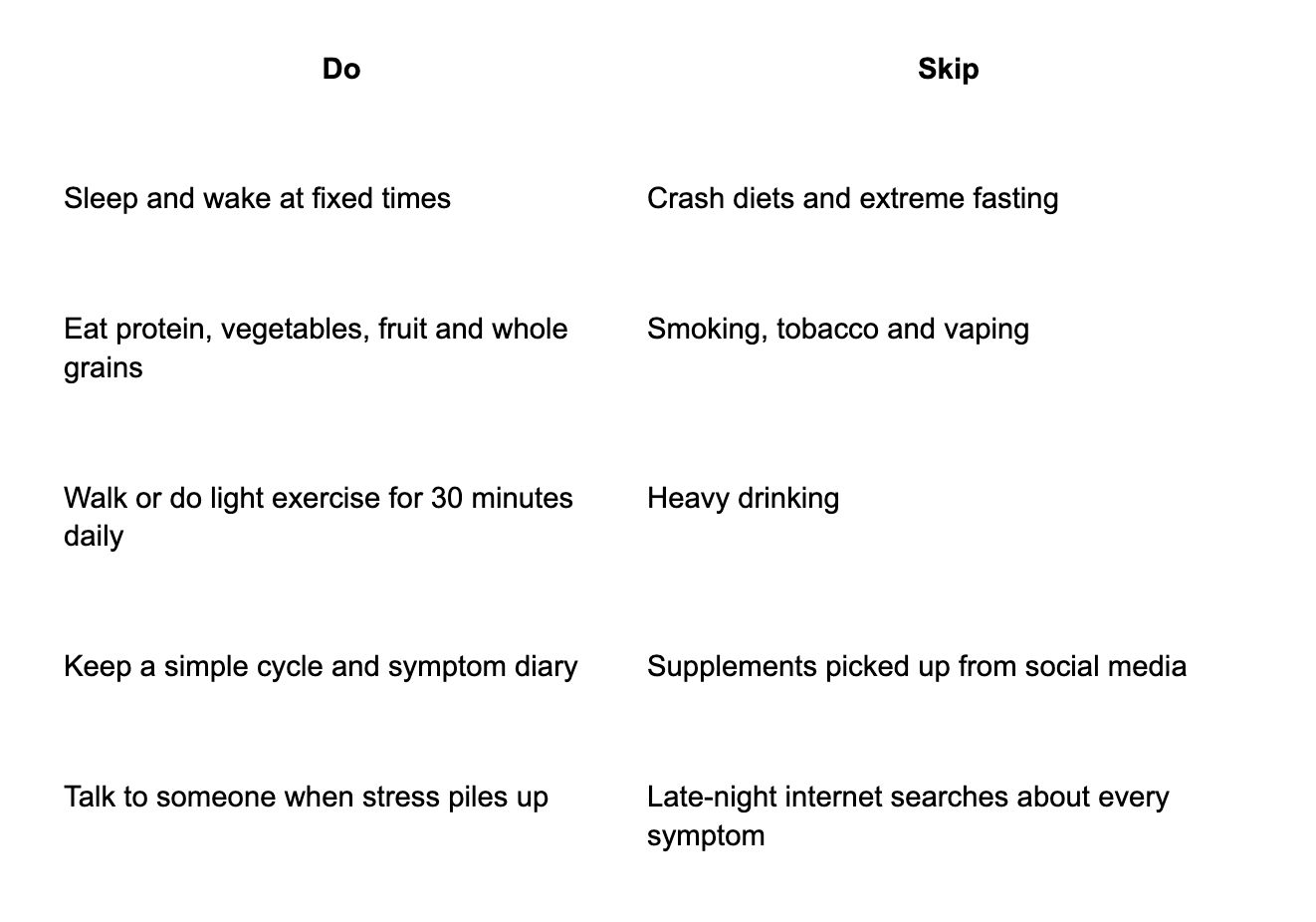
Do This, Skip That
The Partner's Checklist
Preparation is not something that can be carried out by one individual alone. As the partner, this is your time to act:
Get yourself a semen analysis test done beforehand
Reduce your use of cigarettes and alcohol
Do not have long hot baths or go into the sauna
Attend all your appointments together, even those boring ones
Have the same lifestyle, including meal times and bed times
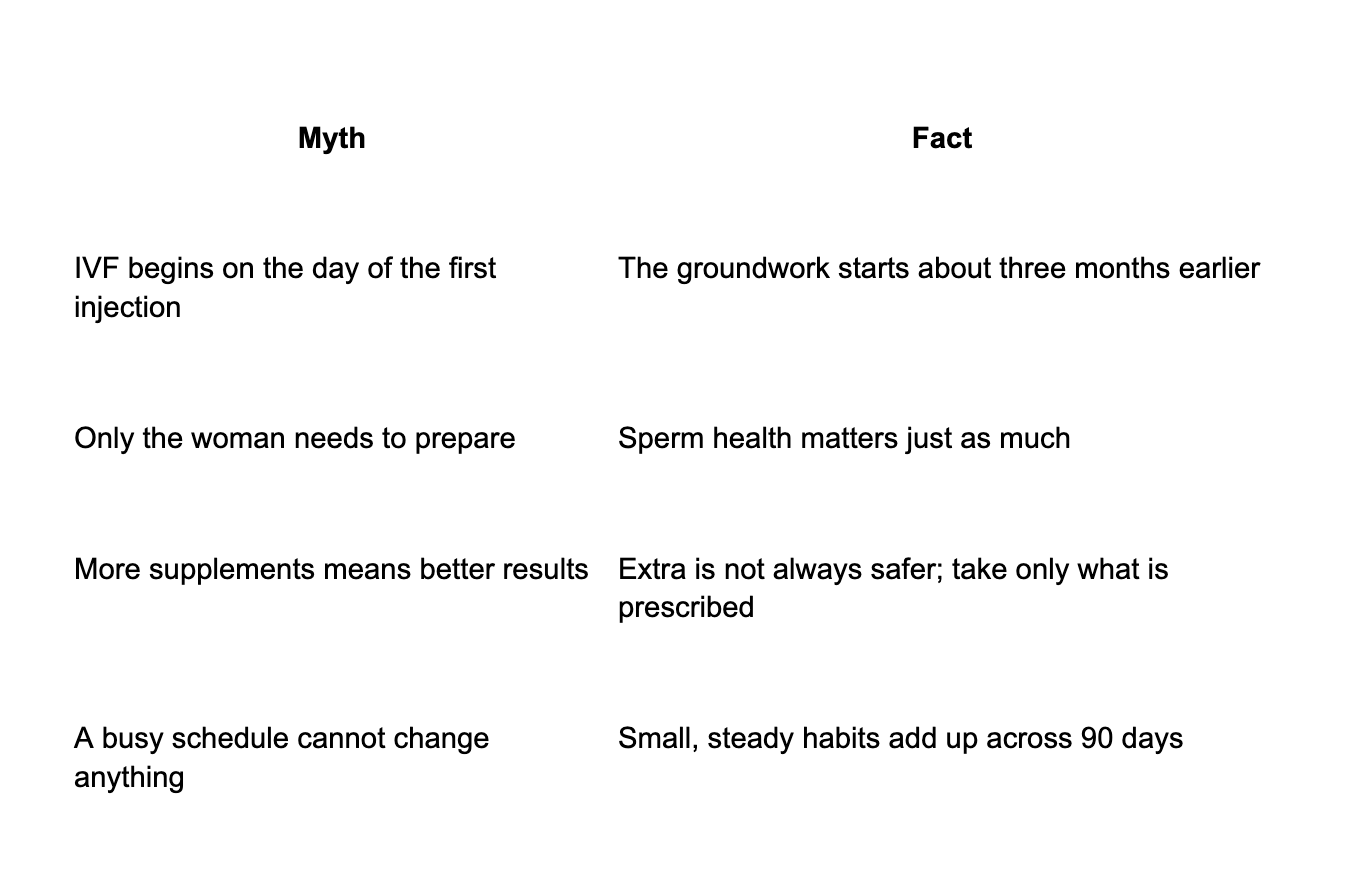
Myth or Fact
Questions to Carry to Your First Appointment
What tests do we need to complete before planning the cycle?
Is there any adjustment that we must make in our daily activities?
What supplements do we really require, and what are their dosages?
How much time do we require for preparation before the treatment?
What can we expect in the coming months?
The Takeaway
IVF has always been associated with the process of treatment, yet the calm period before is also worthy of being paid attention to. Make good use of it, be curious, and consult with your physician about everything. Just three months of small but persistent work will make the journey ahead much easier.
