
The Lasting Impact of Burn Scars Beyond Physical Healing
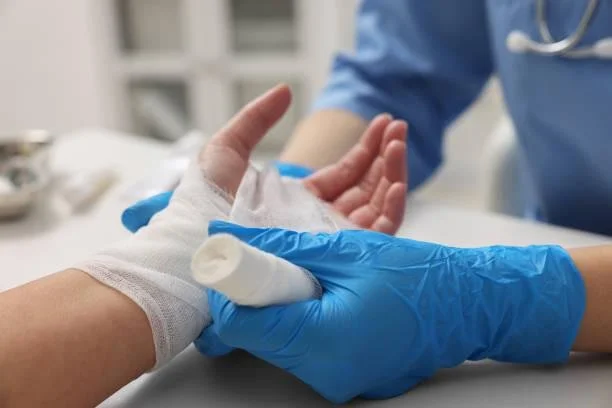
Burn scars can have lasting effects far beyond physical healing because they may cause chronic pain, restricted movement, emotional distress, changes in appearance, and difficulties with work and everyday activities. Even after an open wound has healed, the effects of a serious burn can continue for months or years. Understanding these long-term consequences is important when evaluating the full impact of a burn injury.
Riverside is a growing Southern California community with residential neighborhoods, businesses, industrial areas, and heavily traveled roads. People may encounter burn hazards in workplaces, homes, vehicles, restaurants, and other environments throughout the area.
When a serious burn results from another party's negligence, speaking with Riverside burn injury attorneys with results can help an injured person understand available legal options and the compensation that may apply.
Scars Can Continue to Cause Physical Problems
A burn scar is more than a change in the skin's appearance. Severe scarring can cause tightness that restricts movement, particularly when the injury affects joints, hands, arms, legs, or the neck.
Some people develop contractures, which occur when scar tissue tightens and limits normal movement. Activities such as walking, bending, gripping objects, or moving an arm may become more difficult.
Burn scars can also remain sensitive or painful. Itching, tenderness, numbness, and discomfort may continue even after the original wound has closed. In serious cases, additional procedures may be necessary to improve movement or reduce complications.
Treatment May Continue Long After the Accident
Physical healing does not always mean medical treatment has ended. Burn survivors may need ongoing care to manage scars and prevent complications.
Depending on the injury, treatment may include scar therapy, compression garments, physical therapy, laser procedures, reconstructive surgery, or other specialized care. Some patients require multiple surgeries over an extended period.
These future medical needs are important when evaluating an injury claim. Settling too quickly without understanding the expected course of treatment could leave a victim responsible for expenses that were not considered during negotiations.
Emotional Effects Can Be Significant
Burn scars can also affect emotional health. Visible scars may change how a person feels about their appearance and may lead to embarrassment, anxiety, frustration, or reduced self-confidence.
Some survivors become uncomfortable in social situations or avoid activities where their scars may be visible. Others may struggle with reminders of the accident, particularly when the burn was severe or required extensive hospitalization.
Counseling or mental health treatment may help survivors cope with these challenges. Documentation from qualified professionals can also help demonstrate the emotional impact of a serious burn injury.
Scarring Can Affect Work and Career Opportunities
Depending on the location and severity of the scars, a burn injury may interfere with a person's ability to perform their job. Limited movement, chronic pain, sensitivity to heat, or other physical effects may make certain tasks difficult or impossible.
Visible scars can also create challenges in occupations where appearance or frequent public interaction is important. While discrimination based on disability is subject to specific legal protections, the practical effects of a serious injury can still affect employment and earning capacity.
When an injury prevents someone from returning to their previous occupation, lost future income may become an important part of a compensation claim.
The Location of a Scar Matters
Not all scars affect a person in the same way. A scar on a concealed part of the body may have different consequences from one on the face, neck, hands, or another highly visible area.
Facial scarring can be particularly difficult because it may alter a person's appearance and affect social interactions. Scars on the hands or joints may create functional limitations that interfere with everyday activities.
The physical location, size, depth, and permanence of the scar should therefore be considered when assessing the overall consequences of a burn injury.
Legal Claims Can Account for More Than Medical Bills
A burn injury claim may involve several categories of damages. Medical expenses are an important component, but they may not represent the entire loss.
Depending on the circumstances, compensation may address lost income, future medical treatment, pain and suffering, emotional distress, and other losses recognized under applicable law.
California Civil Code §1714 establishes a general duty of ordinary care and provides a basis for holding a person responsible for injuries caused by a failure to use reasonable care. In a burn injury case, evidence must still establish how the responsible party's conduct caused the injury and what losses resulted.
Key Takeaways
Burn scars can cause pain, itching, sensitivity, and restricted movement long after wounds heal.
Some survivors require continuing treatment, rehabilitation, or reconstructive procedures.
Visible scars can affect confidence, social interactions, and emotional well-being.
Severe scarring may interfere with work and future earning capacity.
The location and permanence of a scar can influence its physical and emotional effects.
California Civil Code §1714 provides a general standard of ordinary care relevant to many negligence claims.
Medical records, photographs, treatment documentation, and employment records can help demonstrate the long-term impact of a burn injury.
