
The Modern Lifestyle Habits Affecting Your Vision
Ways of working and technological changes have had an impact on the way people live, work, and communicate. Although these technologies are convenient and efficient, they can also strain our eyes. Most people spend hours a day in front of a screen, indoors, and doing activities that could affect their long-term eye health.
The changes in vision may build up over time, making it easy to miss their impact on your vision. Knowing the effects of the modern way of living on the eyes is the first step towards safeguarding your eyes and eyesight for years to come.
Increased Screen Time and Digital Eye Strain
A thing that has changed the most in the world of modern life is the amount of time spent in front of screens. Digital devices have become a part of everyday life, whether for work, learning, entertainment, or communicating.
Digital eye strain is a problem that affects millions of people around the world and is caused in part by extended screen time. Common symptoms include blurred vision, dry eyes, headaches, eye fatigue, and difficulty focusing.
If there are persistent symptoms, it's time to get a professional opinion.
Poor Lighting and Visual Fatigue
Many people work in an artificial lighting environment for long periods of time in modern life. Low light levels may cause the eye to have to work harder, particularly when reading, viewing digital devices, or undertaking in-depth tasks.
While poor lighting does not necessarily cause permanent vision damage, it can contribute to discomfort and fatigue. Signs of visual fatigue may include:
Eye strain
Difficulty concentrating
Frequent squinting
Tired eyes
Reduced productivity
A properly lit workspace can help to reduce unnecessary visual stress throughout the day.
Why Regular Visits to an Optometrist Matter
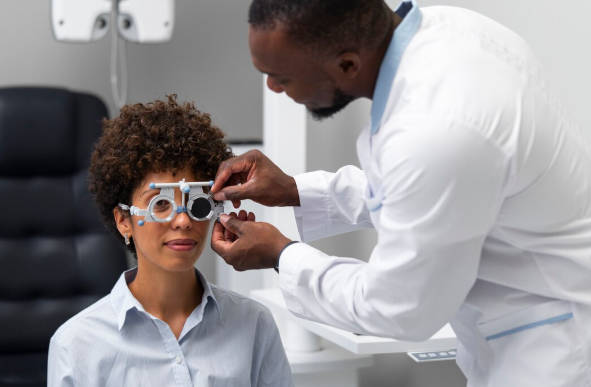
Since many vision issues progress gradually, eye exams are one of the most effective methods to keep an eye on eye health. An optometrist in Hervey Bay can evaluate visual function, identify the early onset of an eye disease, and suggest ways to overcome lifestyle problems before they become serious issues.
Preventive care can help people prevent issues and keep their eyes functioning well. This is particularly relevant in the face of changing lifestyle habits.
Sleep Quality and Eye Health
Sleep is an important factor in healthy eyes. As you sleep, your eyes get the nourishment they need from natural healing processes, and they eliminate daily stress.
Fixing sleep patterns, consistency, and quality is important for overall wellness and eye health. Getting a good night's sleep is something that is not usually part of a vision care program.
Reduced Time Outdoors
Nowadays, many people spend much more time indoors than they ever did before. Spending time outside can be beneficial to healthy visual development, especially in children. There are opportunities for close-up activities, which are balanced by the use of natural light and focus on distant objects.
There are several possible factors that could be attributed to restricted outdoor time:
Increased eye fatigue
Greater near-work demands
Higher risk of developing certain vision issues
Fostering outdoor activities can offer the advantages of physical and visual stimulation. Any outdoor activity can give the eyes a boost of overall health.
