
Healthy Smiles, Healthy Life: Tips For Everyday Oral Care
Written by Austin Tiu.
A healthy smile does more than look good. It helps you eat, speak, and stay confident in daily life. Good oral care lowers the risk of toothaches that can disrupt work, school, or sleep.
The steps are simple, but consistency is the secret. Small daily choices add up, shaping gum health, enamel strength, and fresh breath. With a routine you can keep, your teeth and gums can stay strong for years.
Build A Brush-And-Floss Routine You Can Keep
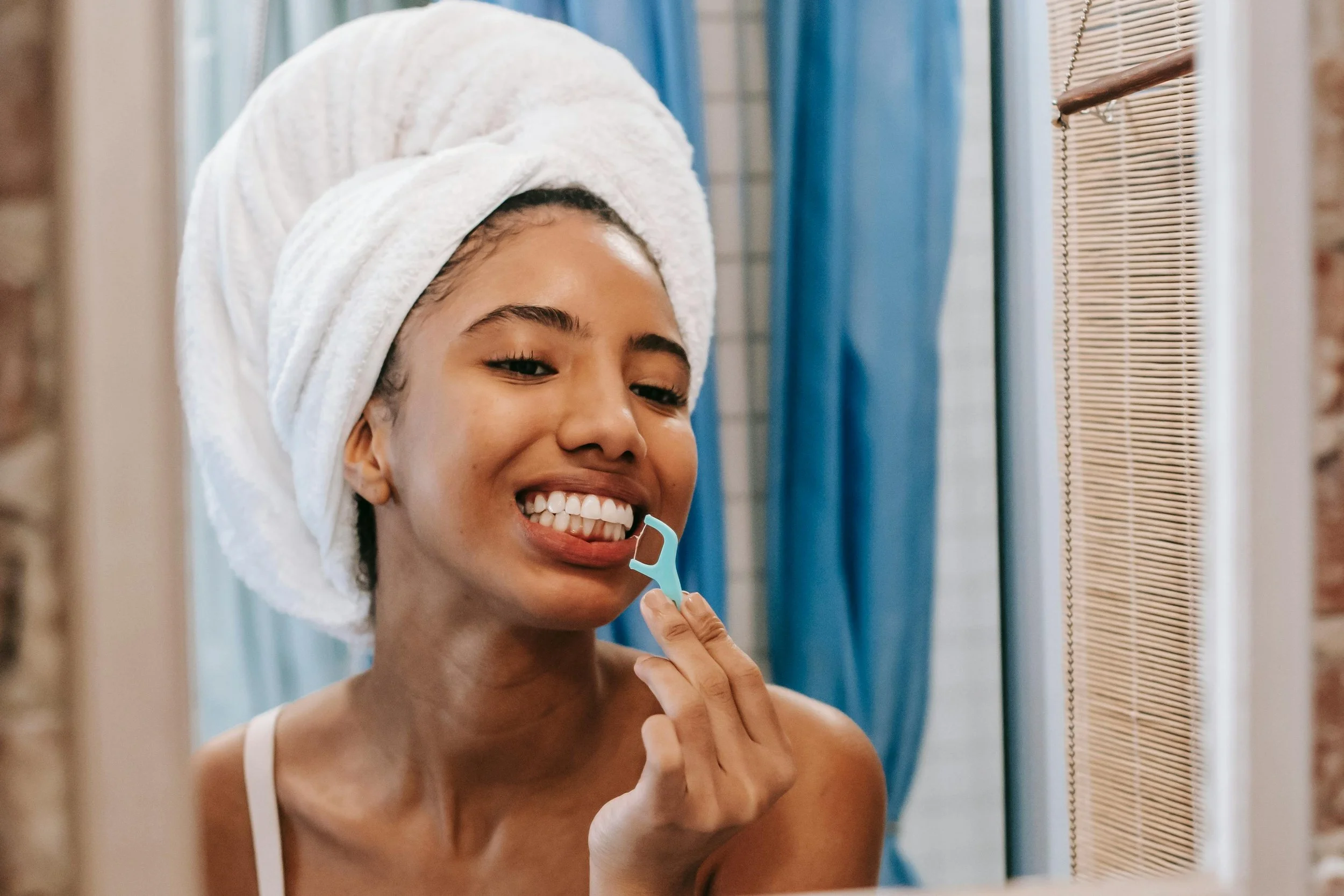
Start with the basics. Brush gently for 2 minutes, covering the front, back, and chewing surfaces. Floss once a day to clean the tight spaces your brush can’t reach.
Pick tools that make the job easy. A soft-bristled brush protects enamel, and a timer helps you reach the full 2 minutes. If hands get tired or sore, an electric brush can help you clean well with less effort.
Keep your supplies handy. Store floss where you’ll see it, and set a small reminder on your phone. A routine that fits your day is the one you’ll follow.
Morning And Night Habits That Protect Your Enamel
Your mouth changes throughout the day. Saliva flows more when you’re awake and slows during sleep, so plaque and acids can build up overnight. That’s why a nighttime clean is nonnegotiable.
In the morning, wait a little after acidic drinks like coffee or juice before brushing. Your enamel softens briefly after acids, so a short pause helps prevent wear. Many people keep a travel brush at work or school to freshen up after meals.
Daily choices matter more than occasional extras. If you need help tailoring your routine, you can explore support and resources at www.autumnfamilydentistry.com. Mid-appointment planning can make new habits stick. With a simple checklist taped to your mirror, you can lock in the basics without overthinking them.
Fluoride And Toothpaste
Fluoride is a proven shield for enamel. It helps repair early weak spots and makes teeth more resistant to acid attacks. Regular use supports long-term strength.
Public health guidance notes that brushing at least twice a day with a fluoride toothpaste is a smart baseline for most people. This simple habit keeps a steady supply of fluoride on the tooth surface and supports enamel between meals. If you have a higher risk of cavities, ask your dentist about extra fluoride options like varnishes or prescription toothpaste.
Pick a flavor and texture you like so you’ll use it consistently. Children should use a rice-sized smear until they can spit, then a pea-sized amount. Check labels so everyone in the household gets the right formula.
Clean Between Teeth: Floss, Picks, And Water Flossers
Flossing removes plaque and food that hide where brushes can’t reach. Slide the strand gently under the gumline, hugging each tooth in a C-shape. If string floss is hard to handle, pre-threaded flossers are an easy swap.
Interdental brushes work well for bigger spaces or around braces and bridges. Choose a size that fits snugly without forcing. A water flosser can help with implants or sensitive gums, making it easier to clean thoroughly.
The goal is consistency. Pick the tool you’ll use every day. Do it at the same time, like after dinner, so it becomes automatic.
Smart Food And Drink Choices For A Healthier Mouth
What you eat matters for your teeth. Sugary snacks and frequent sipping feed the bacteria that cause cavities. Sticky treats cling to enamel and keep the party going for plaque.
You don’t need a perfect diet to protect your smile. Try to group sweets with meals instead of grazing over hours. Rinse with water after a snack, and chew sugar-free gum to boost saliva and help clear acids.
Build a tooth-friendly plate. Include proteins, vegetables, and dairy or fortified alternatives for minerals that support enamel. Save juice or soda for occasional treats, and keep water your main drink.
Fresh Breath Basics You Can Use Today
Fresh breath starts with a clean tongue. Bacteria collect on the surface and can cause odor. A tongue scraper or the back of your toothbrush helps remove the film in a few gentle passes.
Stay hydrated. A dry mouth can lead to stale breath and increased plaque buildup. Keep a refillable bottle nearby and sip throughout the day.
Target problem areas if the odor keeps recurring. Clean around the gumline carefully and check for trapped food between teeth. If breath changes suddenly, a dental exam can rule out cavities or gum issues.
Good oral care is simple, but it isn’t automatic. Build a routine you can follow, choose tools you enjoy using, and make small improvements you can keep. Your daily actions will protect your teeth and gums more than any single quick fix.
With steady habits, dental visits become easier and less stressful. You’ll spend less time in the chair and more time enjoying meals, conversations, and smiles. A healthy mouth supports a healthy life, and your routine can make that happen.
Related:
