
The Importance of Good Oral Health: Tips for a Brighter Smile
Written by Austin Tiu.
A healthy smile is about more than looks. Your mouth is a gateway to the rest of your body, and small habits can add up to big wins for your heart, metabolism, and confidence. Skipping basics often leads to cavities and gum issues that are harder and costlier to fix later.
The scale of the problem is real. A 2024 report from the Centers for Disease Control and Prevention found that many working-age adults still carry untreated tooth decay, which raises the risk of pain and infection. Seeing the trend clearly helps us double down on simple, daily care that prevents bigger troubles down the road.
Build a Simple Daily Routine
The goal is consistency you can actually keep. Your morning routine sets the tone - your night routine repairs the day’s damage and resets your mouth for sleep. Make it short, repeatable, and realistic so it survives busy days.
Make your habits fit your life so they stick. If you live near Houston’s northwest side, you might look for the best dental experience in spring branch to get personalized coaching on brushing and flossing that works with your schedule, not against it. A few minutes daily beats long appointments later, and a routine you enjoy is a routine you keep.
Build in triggers that make oral care automatic. Keep your brush and floss in view, set a 2-minute timer on your phone, and pair mouth care with a habit you already do, like making coffee. When life gets hectic, a simple checklist brings you back to basics without stress.
Brush Smarter, Not Harder
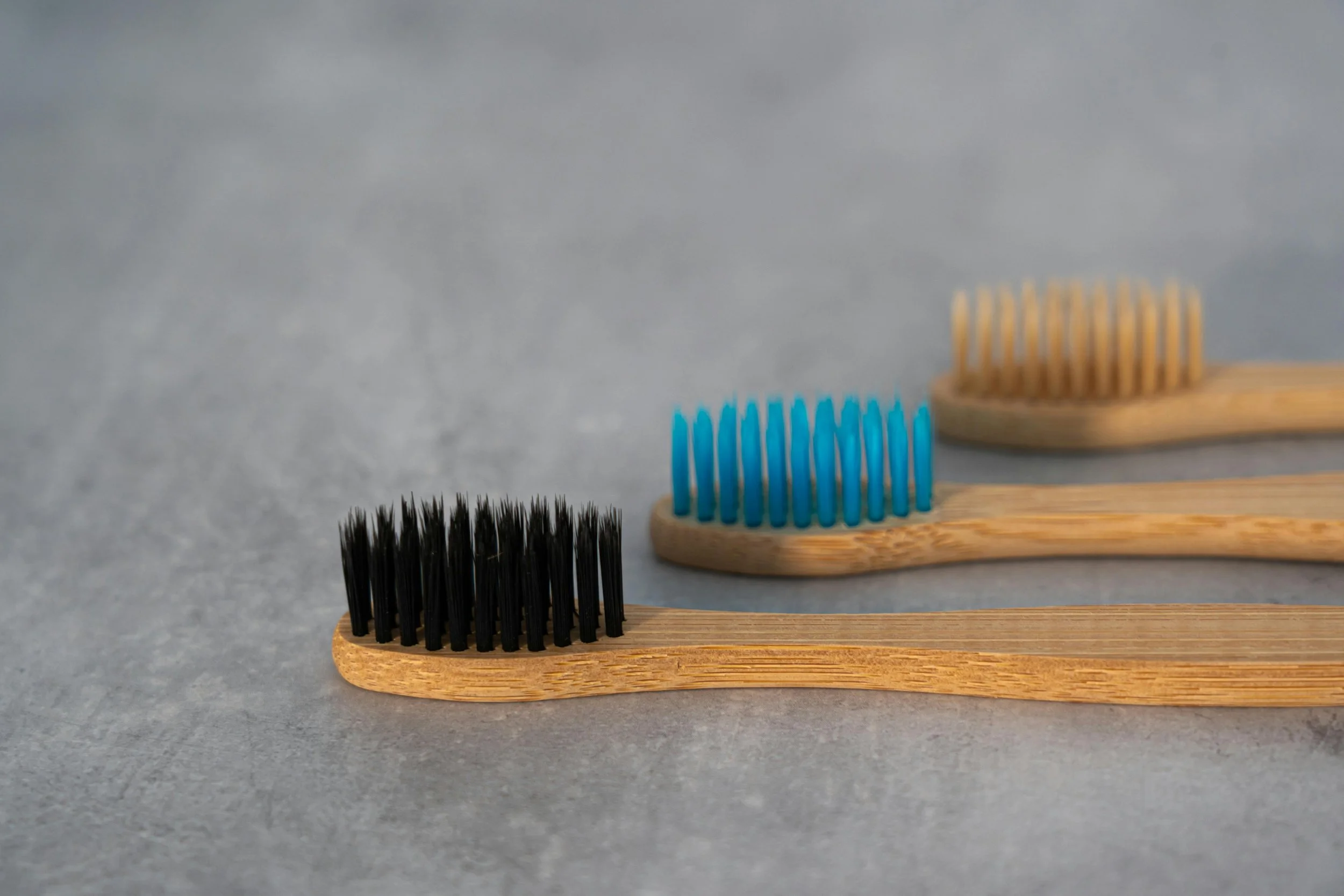
Brushing is about technique and timing, not brute force. Use a soft or extra-soft brush and move in small circles along the gumline. Aim for 2 minutes, morning and night, and swap brush heads every 3 months or when bristles splay.
If you want quick wins, upgrade one piece at a time. Try an electric brush with a built-in timer, then pick a fluoride toothpaste next month. Keep the pressure gentle so you clean without scraping your enamel or irritating your gums.
Post these reminders near your sink so you get the most from every session:
Two minutes, twice a day
Soft bristles, gentle pressure
Small circles along the gumline
Replace the head every 3 months
Floss First, Then Brush
Flossing is not about perfection - it is about showing up daily. Slide the floss in gently, hug each tooth in a C-shape, and work under the gumline where sticky plaque hides. Water flossers help if your hands are tired or you have braces or bridges.
Order matters more than most people realize. A recent consumer health article from Good Housekeeping noted that flossing before brushing helps remove trapped debris and lets toothpaste reach more surfaces for a better clean. That small switch boosts the payoff from the brushing you already do.
If flossing feels like a chore, attach it to something you never skip, like washing your face. Keep floss picks in your bag or car for busy days. The goal is steady effort that removes plaque before it hardens into tartar, which only a professional cleaning can remove.
Rinse, Tongue, and Tools
A quick tongue cleaning reduces odor-causing bacteria and brightens taste. You can use a simple scraper or the back of your brush with light pressure. Finish with a fluoride or alcohol-free rinse if your gums are sensitive or if you get dry mouth.
Match your tools to your mouth. If you have tight contacts or dental work, try waxed floss or interdental brushes sized for your spaces. Travel-size kits make it easy to clean up after lunch, and sugar-free gum can help trigger saliva when you cannot brush.
Think of your toolkit as a small system that supports your routine. Keep spare brush heads and floss refills on hand so you never hit a gap week. Rotate your supplies into a visible spot and set a calendar reminder every quarter to replace worn gear.
Eat and Drink for Your Teeth
What you sip and snack on shows up quickly in your mouth. Keep sugary or acidic drinks to mealtimes so your saliva has a chance to buffer acids. Plain water is your best friend between meals and after workouts.
Build tooth-friendly plates that your whole family will actually eat. Choose crisp fruits and veggies that scrub as you chew, lean proteins for gum health, and dairy or fortified alternatives for calcium and phosphates. If you do have sweets, pair them with meals and rinse with water to minimize the hit to your enamel.
Snack smart to protect your smile on busy days. Swap frequent grazing for planned snacks that are lower in sugar and stickiness. Nuts, yogurt, cheese, and crunchy produce satisfy hunger without bathing your teeth in sugar for hours.
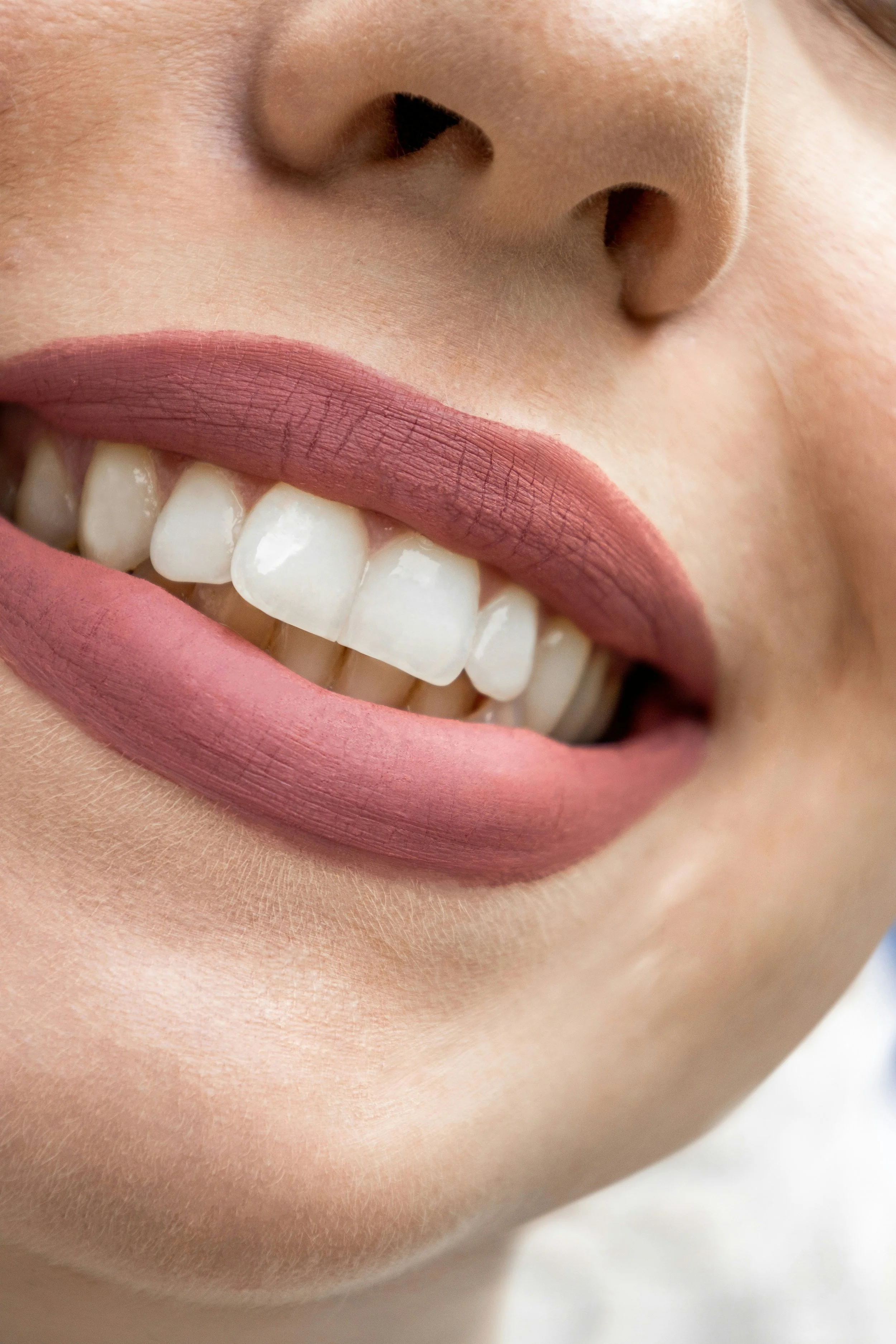
Good oral health is not about perfection. It is about steady, simple steps that fit your life and protect your smile. Start with one change today, keep it going for a week, and build from there. Your future dental self will thank you.
Related:
