
What an Ophthalmologist Can Do About Chronic Eye Strain and Fatigue
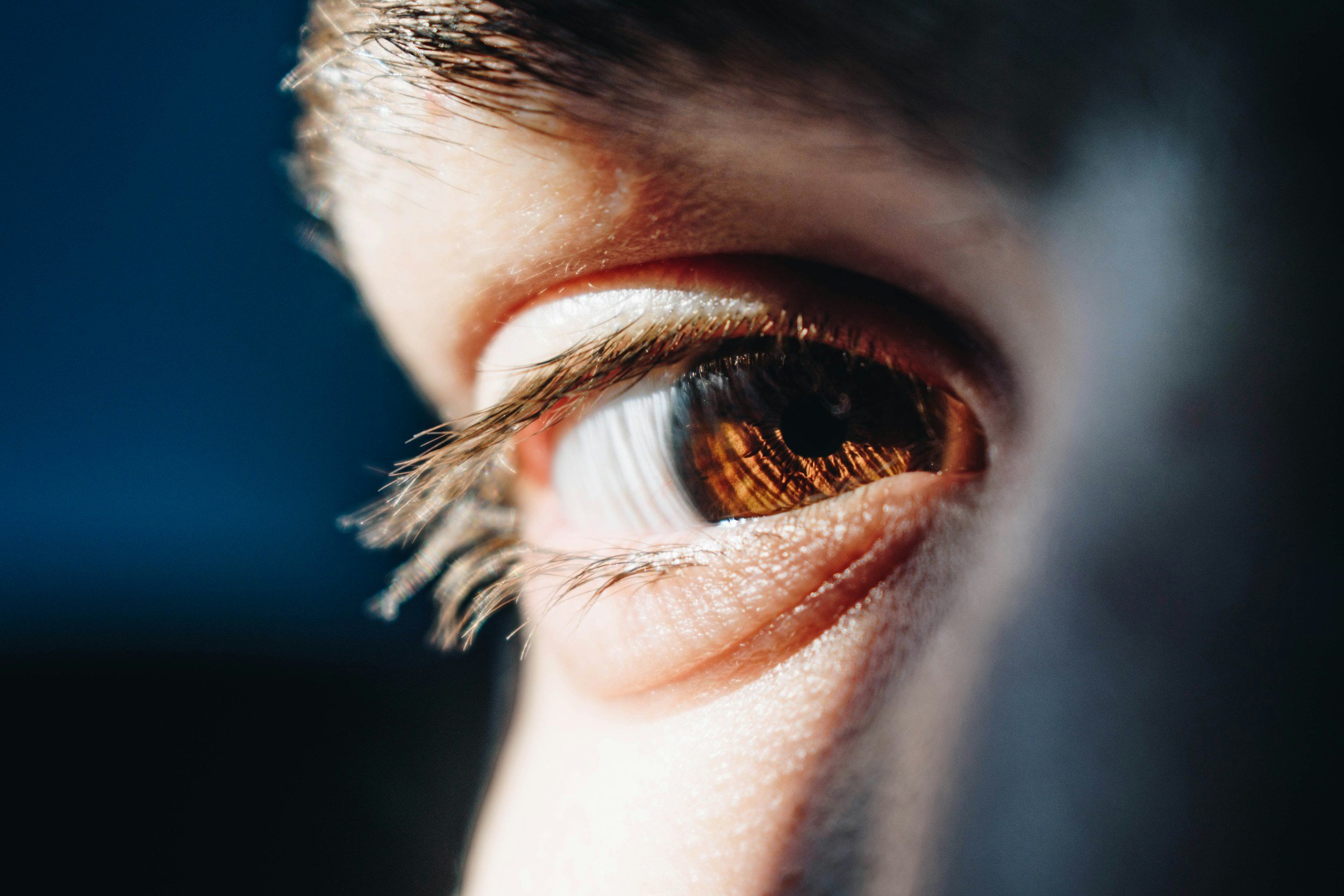
That heavy, tired feeling behind your eyes at the end of a long day has become almost universal. Between work screens, phones, and streaming late into the night, our eyes rarely get a break, and many of us just accept the strain as part of modern life. For people across Brooklyn juggling busy, screen-filled days, that constant fatigue can quietly wear them down.
But here's the good news: chronic eye strain isn't something you simply have to live with. An ophthalmologist can dig into why your eyes feel so tired and offer real, lasting solutions rather than quick fixes. Here's what that kind of expert help actually looks like.
Understanding What Causes Eye Strain
Eye strain, often called asthenopia, happens when your eyes are overworked without enough rest to recover. The most common culprit today is prolonged screen time, since we blink less and focus harder when staring at digital displays for hours, but it isn't the only cause worth considering, and that's an important distinction.
It's an incredibly widespread problem in our screen-driven world. The American Optometric Association reports that 58 percent of adults have experienced digital eye strain or vision problems as a direct result of screen use. With numbers that high, it's no surprise so many people feel their eyes are constantly tired.
Finding the Real Reason Behind the Fatigue
Here's where an ophthalmologist's expertise really shines. Persistent eye fatigue is often a symptom of an underlying issue, not just everyday tiredness, and a thorough, dilated exam can uncover what's really going on rather than leaving you to guess and self-diagnose online.
An undiagnosed refractive error, like mild farsightedness or astigmatism, can quietly force your eyes to work overtime all day long without you ever knowing why. Other times the cause is a subtle eye-alignment problem or dry eye disease that simple rest never quite fixes. Pinpointing the true reason behind the fatigue is the essential first step toward genuine, lasting relief rather than temporary comfort.
Treating Dry Eye, a Common Hidden Cause
One of the most overlooked drivers of chronic eye fatigue is dry eye disease. When your eyes can't stay properly lubricated, they feel tired, gritty, and irritated, especially after hours of focused screen work where your blink rate naturally drops by half. Many people reach for over-the-counter drops for years without realizing a treatable condition is behind the discomfort.
This is an area where specialized care makes a real difference. A good ophthalmologist in Brooklyn can properly diagnose the type and severity of your dry eye and offer advanced treatments that go well beyond ordinary drops, from targeted therapies to in-office procedures that address the root cause. A practice like New York Laser Vision, for example, offers a full range of eye care, from comprehensive eye exams to advanced treatments and surgery, and tailors each plan to the patient rather than a one-size-fits-all fix. Getting to the bottom of dry eye is often the turning point that finally relieves the daily fatigue people had assumed was just normal.
Updating Your Prescription for Comfort
Sometimes the fix is more straightforward than you'd expect. An outdated or slightly incorrect glasses or contact lens prescription forces your eyes to strain constantly just to keep things in focus, which leads to headaches and fatigue by mid-afternoon.
An ophthalmologist can fine-tune your prescription and may suggest lenses designed specifically for screen use, computer work, or reducing glare. Even a small, precise correction can dramatically reduce the daily effort your eyes are putting in without you ever realizing how hard they were working in the first place.
Practical Habits That Ease the Strain
Beyond medical treatment, an ophthalmologist can coach you on simple, effective habits. The well-known 20-20-20 rule, looking at something 20 feet away for 20 seconds every 20 minutes, gives your focusing muscles a regular, much-needed rest throughout the day.
They can also advise on lighting, screen positioning, monitor distance, and reminders to blink more often during long stretches of focused work. These small, practical adjustments, combined with proper medical treatment, often add up to a surprisingly big improvement in how your eyes feel by the end of each day.
The Bottom Line
Chronic eye strain and fatigue are extremely common in our screen-heavy world, but they're not something you have to accept as permanent or untreatable. An ophthalmologist can find the real cause, whether it's a hidden refractive error, dry eye, or simply too much screen time, and provide solutions that actually work.
If tired, strained eyes have become a daily frustration you've simply gotten used to, it's well worth booking a proper evaluation rather than reaching for yet another bottle of drops. The right expert care can help your eyes feel comfortable, rested, and ready for everything your busy day demands.
