
What Features Should You Look For In A Patient Lift?
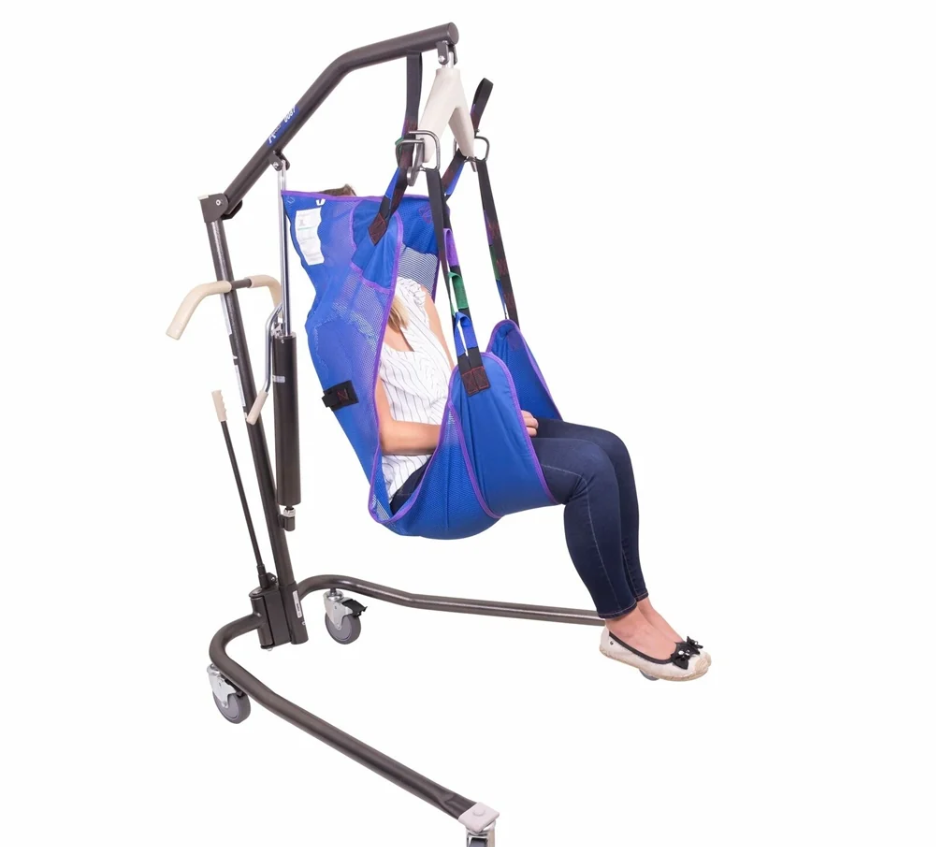
A patient lift can be a valuable addition to your care environment when you require a more secure and manageable means of assisting transfers. To find the right one, it is not enough to look at its basic purpose, because different designs are suited to different transfer requirements.
You might require equipment that is not too big to be around your bed, chair, or other transfer surfaces and yet also suits your daily needs. Paying attention to the details can help you understand which type of lift makes sense for your particular setup.
The correct information can simplify and narrow down your choice. Let’s look at the key features that can help you find a patient lift that fits your needs.
1. Check Weight Capacity
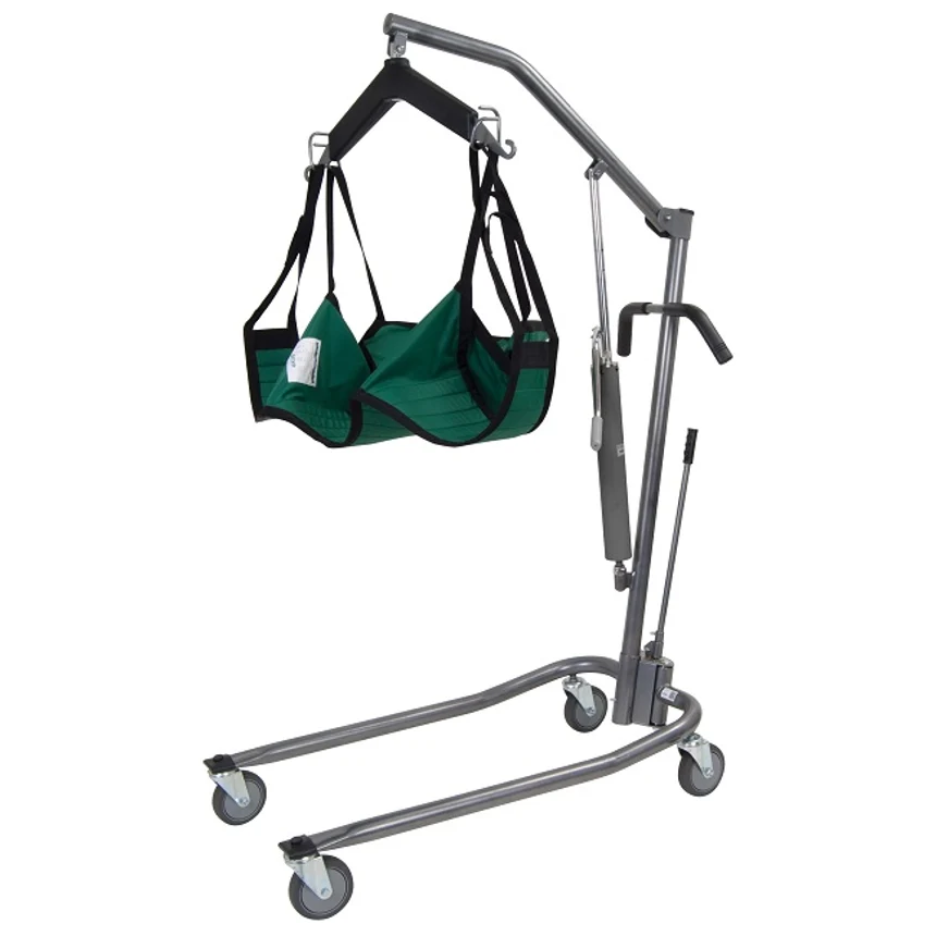
Weight capacity gives you an important starting point when comparing patient lifts. The rated capacity shows how much weight the lift is designed to support during use. Manual models come with different weight ratings. Some models support up to 400 pounds, while others support up to 450 pounds.
Start by looking at the person's current weight and then compare it with each model's stated capacity. A suitable rating gives you a clear foundation for narrowing down your choices.
Capacity also works alongside the lift's overall design and intended use. Reviewing the full specification can help you identify a model that provides the required level of support for your regular transfers.
2. Compare Hydraulic Operation and Effort
Manual patient lifts commonly use a hydraulic pump operated by hand. The pumping system raises the lift mechanically, giving you an option that works without batteries or an electrical outlet.
Pump handle design can influence how comfortably you operate the equipment. Some models feature rotating or adjustable handles that provide convenient access during use.
Your physical ability is another factor worth considering when comparing manual and electric designs. Research on patient-lift use highlights how assistive equipment can support safer patient handling practices, making the type of lift an important part of your care setup.
An electric lift can reduce pumping effort, while a manual model provides a straightforward hydraulic system. Think about your usual transfer schedule and the amount of effort involved in each transfer. Matching the operating system to your daily routine can make the equipment more practical for regular use.
3. Check Base Width and Wheel Design
A lift needs enough room to move into position around beds, chairs, and other transfer surfaces. Adjustable base legs can give you greater flexibility by allowing the base to open wider or close for different spaces.
The base setting can also affect how you position the frame around furniture. A wider footprint can support positioning during a transfer, while a narrower setting can make it easier to work around nearby objects.
Casters play an important role in moving the lift between positions. Locking rear wheels can help keep the frame steady once you have placed it where you need it.
Take measurements of the rooms where you expect to use the lift. Doorways, bed clearance, chair placement, and available floor space can all help you identify a suitable design.
4. Check Lift Range
Lift range tells you how high or low the equipment can raise the sling. Having a range that matches your transfer surfaces can give you more flexibility during everyday use.
Manual patient lifts can offer lifting ranges of roughly 17 to 61 inches, depending on the model. A range like that can accommodate transfers involving surfaces at different heights.
Bed height can differ from wheelchair or chair height, so your usual transfer locations are useful reference points. Comparing those heights with the lift's listed range can help you find an option that fits your routine.
A suitable height range can also give you more flexibility when the lift serves several transfer areas. Review the full range rather than focusing on a single height point.
5. Confirm Sling Compatibility
The sling provides support during a transfer, making compatibility an important part of your equipment selection. A sling should match the lift and its attachment system.
Check the lift's specifications to see which sling types are compatible with the equipment. Looking at both pieces together gives you a clearer picture of how your complete transfer setup will work.
The type of transfer you perform can also guide your sling selection. Different sling designs can provide different forms of support for different transfer needs.
Look at the sling attachment points as part of your review. Knowing how the sling connects to the lift can help you prepare the equipment properly before each transfer.
6. Consider Storage and Assembly
Storage space can influence which lift works best in your home. A full-size patient lift requires room when stored, so the available area is worth considering before purchase.
Some models can be disassembled for storage or transport. Having components that can be separated can make the equipment easier to store between uses.
Assembly requirements also deserve a place in your comparison. Review the manufacturer's specifications to understand the lift's dimensions, assembly needs, and storage requirements.
Portability becomes useful when you plan to move the lift between rooms. A model that fits your storage area and movement needs can keep the equipment convenient to access when required.
Bottom Line
Finding the right patient lift starts with understanding how each feature fits your daily transfer routine. Weight capacity, operation, base design, wheel type, lift range, sling compatibility, and storage all give you useful details for comparison.
Your available space and physical ability can help guide the choice between manual and powered models. Looking at the complete setup can also show how well a lift may fit the places where you plan to use it.
Review the specifications for the exact model before making your purchase. A careful feature-by-feature comparison can help you select equipment that fits your space, transfer needs, and regular routine.
