
What KSM-66 Ashwagandha Does for Stress and Workout Recovery
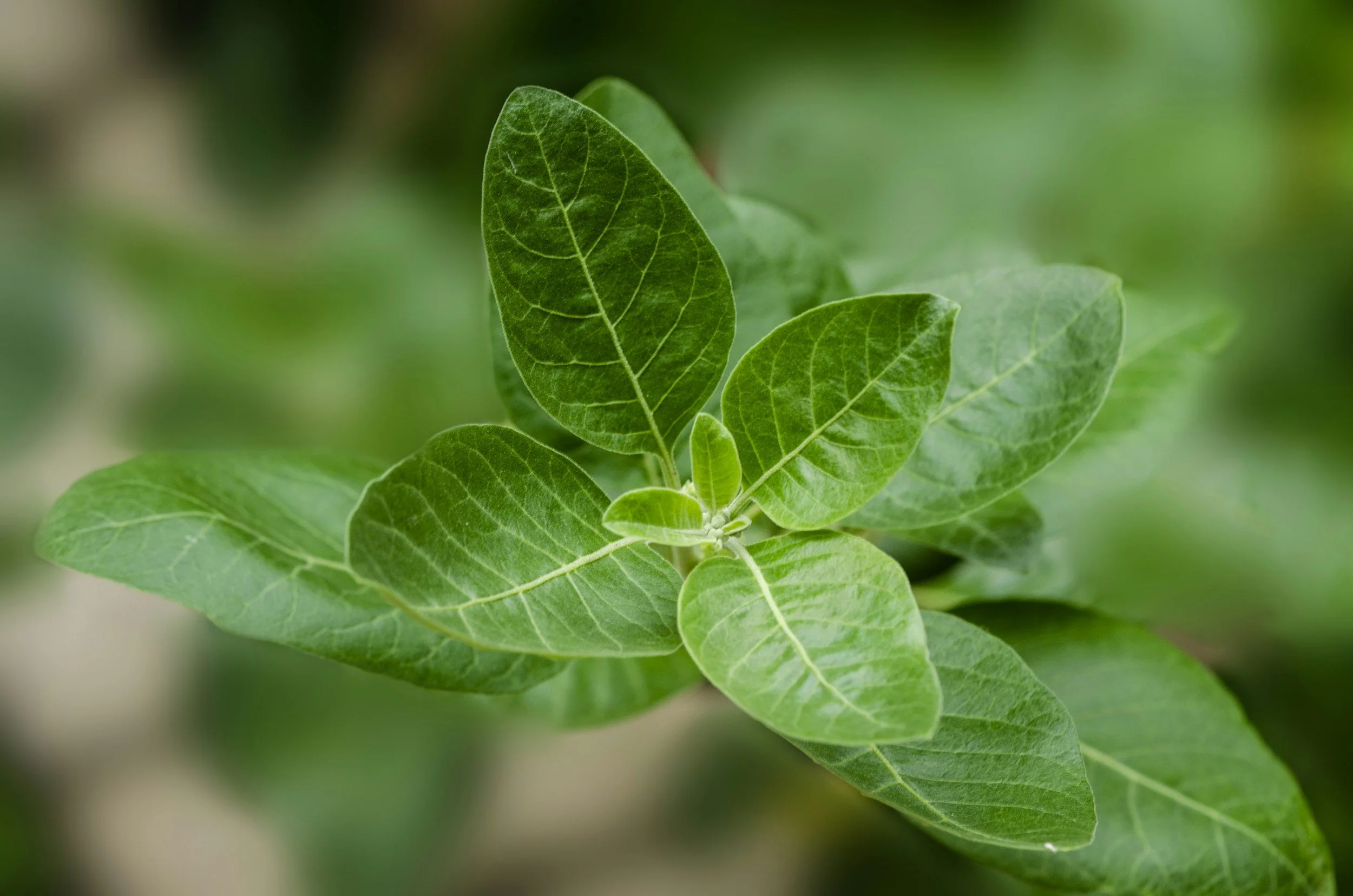
Stress affects sleep, training consistency, appetite, and perceived effort. Athletes who train hard while managing work or family demands need recovery habits that support the nervous system and muscles. KSM-66 Ashwagandha is a clinically studied root extract used at 600 mg per capsule. Its role centers on stress balance and post-exercise recovery. Understanding those effects helps users decide how it fits a consistent training plan and daily routine.
People comparing ashwagandha supplements should examine the extract type and amount because labels describe different preparations. A 600 mg capsule of KSM-66 Ashwagandha gives users a clear reference point for stress and workout recovery. A closer look at KSM-66 ashwagandha shows how this ingredient fits into a recovery plan. The focus is practical: stress regulation, sleep-related recovery, training load, and sensible use. Those factors matter more than treating one capsule as a substitute for food, rest, or medical care.
How Ashwagandha Relates to Stress
Ashwagandha is classified as an adaptogen, a plant extract used to help the body respond to physical and mental stress. KSM-66 is a root extract rather than a blend of unrelated plant parts. That distinction gives the ingredient a defined profile for people tracking their supplement routine.
Stress does not stay separate from training. High demands can disrupt sleep, reduce motivation, and make a familiar workout feel harder. Better stress management supports regular exercise because athletes can approach training with steadier energy and attention.
KSM-66 Ashwagandha is described as a clinically proven adaptogen for stress relief, recovery, energy, and balance. These areas connect because daily stress affects both readiness and the quality of rest after exercise.
How It Supports Workout Recovery
Workout recovery involves more than relief from muscle soreness. Sleep, nutrition, hydration, rest days, and stress levels all influence how well a person returns to training. Ashwagandha fits within that process by addressing stress and balance rather than acting as a stimulant.
A lower stress burden can make recovery habits easier to maintain. An athlete who sleeps consistently, eats enough protein, and respects rest periods creates better conditions for adaptation. Ashwagandha does not replace those habits, but it fits a routine built around them.
Recovery also affects training quality. When a person manages daily strain more effectively, the next session can receive better focus and effort. This matters for resistance training, conditioning, and demanding weekly schedules that leave little room for missed sessions.
Why the 600 Mg Serving Matters
KSM-66 Ashwagandha provides 600 mg in each capsule. A stated amount helps users compare products without guessing how much extract a serving contains. It also makes daily tracking simpler for anyone recording supplements alongside workouts, meals, and sleep.
The formula uses KSM-66, described as one of the most researched forms of ashwagandha. That information gives the ingredient a defined identity, which matters when comparing labels that use different extracts or unspecified amounts.
A consistent routine makes evaluation easier. Taking the product according to its label and tracking sleep, perceived stress, soreness, and training performance creates a clearer personal record. Users should judge changes across several weeks rather than after one workout.
Practical Use and Safety
Ashwagandha works best as one part of a recovery plan. Regular meals provide energy and protein, sleep supports physical repair, and planned rest limits excessive training stress. No supplement can correct a persistent lack of those basics.
People with medical conditions, those who take prescription medication, and anyone pregnant or nursing should ask a healthcare professional before using ashwagandha. A qualified professional can review possible interactions and decide whether the ingredient suits the person’s circumstances.
Users should follow the product label instead of adding extra servings without guidance. Tracking the response helps identify whether the routine supports sleep, stress management, and training consistency. Persistent fatigue, severe anxiety, or prolonged soreness deserves medical attention rather than a supplement adjustment.
Conclusion
KSM-66 Ashwagandha fits workout recovery through its focus on stress balance, energy, and daily resilience. The formula provides 600 mg of KSM-66 root extract per capsule, giving users a clearly stated serving to track. Its best use comes alongside adequate food, quality sleep, hydration, and planned rest. A practical next step is to record sleep, stress, and workout recovery for several weeks while following the label and seeking professional guidance when health conditions or medications apply.
