
When Every Chair Starts Reminding You About the Same Injury
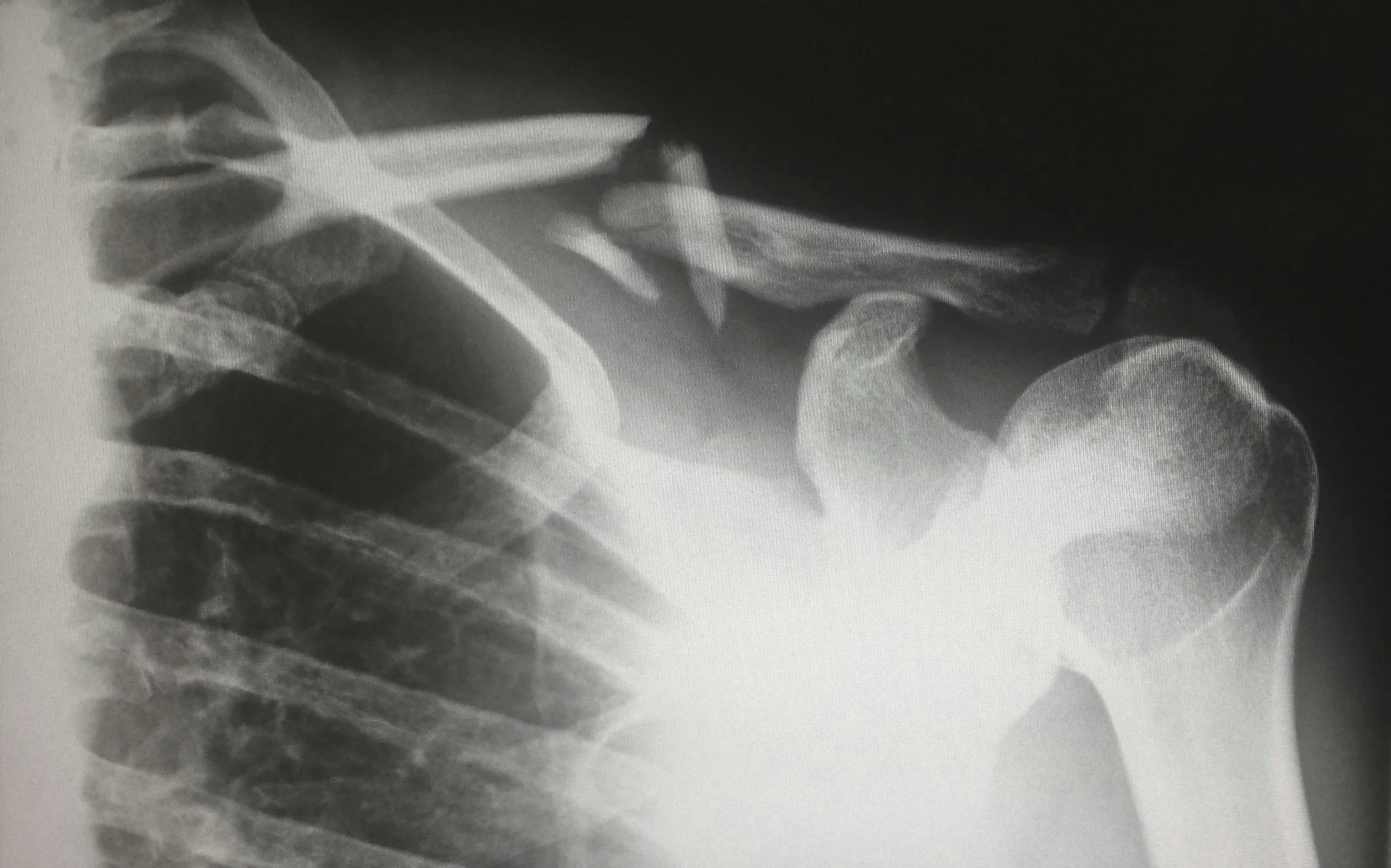
Some injuries announce themselves immediately, while others quietly interfere with everything for weeks afterward. An injury to the coccyx tends to fall into that second category, turning ordinary activities like sitting, standing, or driving into small daily reminders that something isn't right.
It's an easy area to overlook until it's injured, since the tailbone rarely comes up in everyday conversation about the body. Once it's hurt, though, its role becomes obvious fast, showing up in nearly every position that involves any pressure near the lower spine.
That discomfort often leaves people wondering how to tell if tailbone is bruised or broken, especially since both injuries can feel remarkably similar in the early days, making it genuinely difficult to distinguish one from the other without closer evaluation.
A Tiny Bone Sits in an Awkward Place to Injure
The coccyx sits at the very base of the spine, a small structure that ends up bearing weight and pressure more often than its size might suggest. Falls onto the buttocks, direct impacts, or hard landings can all affect this area significantly.
Because of its location, even relatively minor impacts can cause noticeable pain. The coccyx doesn't have much surrounding tissue to absorb sudden force, which means an injury here often produces discomfort disproportionate to what might seem like a fairly small area of the body.
That combination of location and limited protection helps explain why tailbone injuries can feel so disruptive despite involving such a small structure. Nearly every seated or reclined position places some degree of pressure directly on or near the injured area.
Bruises and Fractures Can Feel Surprisingly Similar
In the early days following an injury, bruises and fractures often produce comparable symptoms. Both typically involve tenderness directly over the coccyx, localized pain that worsens with pressure, and visible bruising or swelling in the surrounding tissue near the injury site.
That overlap makes early self-diagnosis genuinely difficult. Someone experiencing a bruise might assume the worst, while someone with an actual fracture might initially dismiss it as a bad bruise, especially if the pain feels manageable during the first day or two.
This similarity isn't unusual for injuries involving bone versus soft tissue damage generally. Many injuries produce comparable initial symptoms regardless of severity, which is part of why symptoms alone don't always provide a reliable way to distinguish between the two possibilities.
Your Daily Routine Becomes the Symptom Test
Ordinary daily activities often reveal more about a tailbone injury than the initial moment of impact does. Sitting for extended periods frequently becomes uncomfortable, since that position places direct, sustained pressure on the exact area where the injury occurred.
Standing up from a seated position can also trigger noticeable discomfort, along with certain movements during exercise, bowel movements, or even driving, where prolonged pressure against a car seat can aggravate the area throughout an otherwise ordinary trip.
These patterns tend to persist longer than people initially expect, sometimes continuing for weeks after the original injury. That persistence itself can become a helpful clue, since ongoing discomfort during specific everyday movements often signals more than a simple, quickly resolving bruise.
Sometimes You Can't Diagnose It From the Chair
Despite these patterns, symptoms alone don't always reliably distinguish a bruise from an actual fracture. Both can produce similar pain levels, similar tenderness, and similar difficulty with everyday movement, especially during the earliest stages before any healing has meaningfully begun.
That uncertainty is precisely why professional evaluation matters for injuries that feel significant or that persist longer than expected. Imaging and physical examination can identify details that simply aren't accessible through self-assessment alone, regardless of how carefully someone tracks their own symptoms.
Persistent or severe pain, difficulty with basic movement, or symptoms that worsen rather than gradually improve over time are all reasonable signals that professional evaluation may be worthwhile, rather than continuing to guess based on discomfort alone.
Conclusion
A structure as small as the coccyx rarely gets much attention until it's injured, at which point its role in everyday movement becomes impossible to ignore. Sitting, standing, and even simple transitions between positions can all become sources of ongoing discomfort.
Because bruises and fractures often produce similar early symptoms, distinguishing between them isn't always straightforward without proper evaluation. Persistent or severe pain deserves attention rather than assumption, especially when ordinary daily activities keep triggering the same recurring discomfort.
Even a small injury can meaningfully disrupt daily life, and taking persistent symptoms seriously matters more than trying to diagnose the exact nature of the injury through guesswork alone.
