
Why a Glaucoma Specialist Wants You to Watch These Eye Symptoms
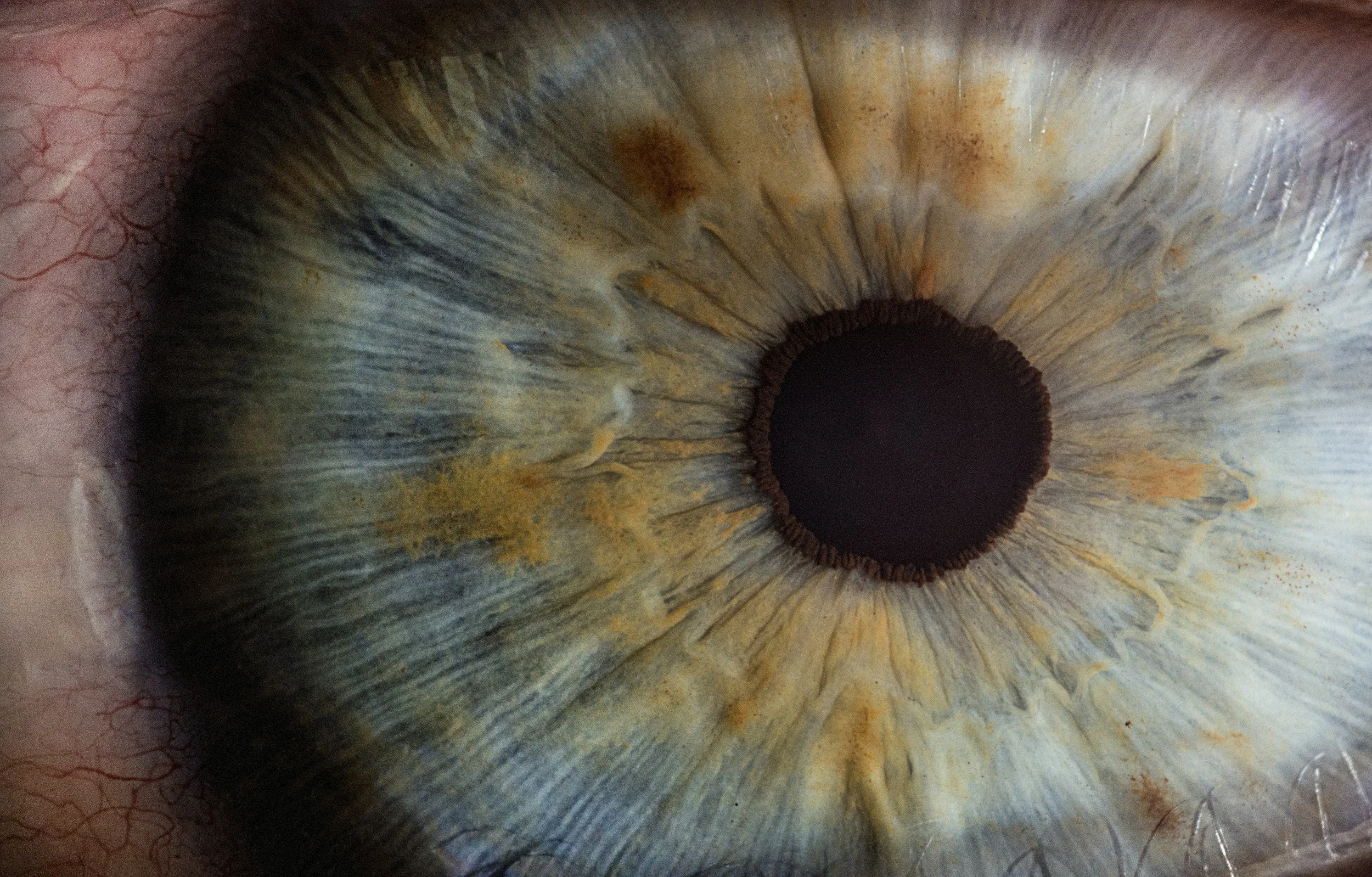
Could you be losing your eyesight right now without even knowing it? It sounds dramatic, but for millions of people with glaucoma, the honest answer is yes. This disease moves slowly and quietly, often without pain or noticeable blurriness until real damage has already happened. That is exactly why eye doctors urge patients to learn the early warning signs and keep up with regular exams, instead of waiting to feel like something is wrong.
New York City is one of the strongest places to take that step, with access to some of the country's most experienced glaucoma specialists and the kind of advanced diagnostic technology that allows changes to be caught well before vision loss sets in. In this guide, we will cover what glaucoma actually is, the symptoms worth paying attention to, and when it makes sense to see a specialist who can catch problems early.
What Is Glaucoma?
Glaucoma is a group of eye conditions that slowly damage the optic nerve, the part of your eye responsible for sending visual signals to your brain. In most cases, this damage is linked to a buildup of pressure inside the eye. Left untreated, that pressure can destroy nerve fibers one by one, starting with your side vision and eventually reaching your central vision.
The Centers for Disease Control and Prevention notes that glaucoma is one of the leading causes of irreversible blindness in the United States, with more than 3 million Americans currently affected, and only about half of them aware of it. Once vision is lost to glaucoma, it cannot be restored, which is why early detection matters so much.
Symptoms You Should Never Ignore
Glaucoma is sometimes called the silent thief of sight because it rarely causes obvious pain in its early stages. Still, your eyes often drop small hints long before vision loss becomes noticeable. A glaucoma specialist will tell you that paying attention to these subtle changes is one of the simplest ways to protect your eyesight.
1. Blurry or Patchy Vision: Vision that looks slightly foggy or has small gaps, especially toward the edges, can be an early sign of optic nerve damage. Many people brush this off as tired eyes or a need for new glasses. If patchy spots stick around or seem to spread over time, it is worth getting checked rather than waiting it out.
2. Frequent Headaches or Eye Pressure: A dull headache that keeps returning, or a heavy feeling behind your eyes, can sometimes point to rising eye pressure. This symptom is easy to mistake for stress or screen fatigue. If it happens often and does not have an obvious cause, mention it to an eye doctor.
3. Halos Around Lights at Night: Seeing rainbow-colored rings or glowing halos around headlights and streetlights can be more than just an annoyance while driving at night. This effect happens when pressure inside the eye changes how light passes through it. Occasional glare is normal, but frequent halos deserve a closer look.
4. Difficulty Seeing in Low Light: Struggling to adjust when you walk into a dim room, or feeling like your night vision has gotten weaker, can signal early changes in the optic nerve. This often develops so gradually that people simply adapt without realizing anything has changed. A vision test can reveal whether this is age-related or something more.
5. Redness or Eye Pain: Mild redness or a dull ache in one or both eyes is easy to dismiss as allergies or tiredness. While it is often harmless, sudden or persistent eye pain combined with blurred vision can signal a more serious form of glaucoma. Any pain that feels unusual or does not go away on its own should be evaluated quickly.
How Is Glaucoma Actually Treated?
Getting diagnosed with glaucoma can feel overwhelming, but it helps to know that treatment options today are more effective and less invasive than most people expect. The goal is not to reverse damage that has already occurred, but to slow or stop it from progressing further.
Depending on how far the condition has advanced, a specialist may recommend one or more of the following:
● Eye drops are usually the first line of treatment, working to lower eye pressure either by reducing fluid production or helping it drain more efficiently.
● Laser therapy, such as selective laser trabeculoplasty, is a quick in-office procedure that improves fluid drainage and is often used alongside or instead of medication.
● Minimally invasive glaucoma surgery (MIGS) offers a lower-risk surgical option for patients who need more than drops or lasers alone, with faster recovery times than traditional surgery.
● Traditional surgery, such as trabeculectomy, may be considered for advanced cases where other treatments have not been enough to control eye pressure.
No single approach works for everyone, which is why a proper evaluation matters more than a general sense of what treatment might involve. The right plan depends on the type and stage of your glaucoma, and only a specialist can make that call with any real confidence.
When Should You See a Glaucoma Specialist?
You do not need to wait for a dramatic symptom to schedule a visit. If you notice any of the changes above, even mildly, or you fall into a higher risk group, getting checked sooner rather than later gives you the best chance of protecting your vision.
If you recognize any of the situations below, it may be time to connect with a glaucoma specialist in NYC who can give your eyes the focused attention they deserve.
Kelly Vision brings together experienced specialists and modern diagnostic tools to make that process straightforward, from your first exam through any ongoing care you may need.
You should consider booking an exam if:
• You are over 40 and have not had a full eye exam in more than a year
• You have a parent or sibling with glaucoma
• You live with diabetes, high blood pressure, or significant nearsightedness
• You have noticed blurry patches, halos, or headaches that will not go away
• A previous eye exam flagged higher than normal eye pressure
The earlier glaucoma is caught, the more vision there is to protect. Do not wait for your eyesight to change before you decide it is worth looking into.
Final Thoughts
Glaucoma rarely announces itself loudly, but it almost always leaves small clues along the way. Paying attention to changes in your vision, headaches that will not quit, or halos around lights is not about being overly cautious. It is about giving yourself the best possible chance at catching a problem while it is still manageable.
If anything in this article sounded familiar, do not wait for the next scheduled checkup. Book an eye exam, ask questions, and take your vision seriously, because it is one of the few things in life you genuinely cannot replace.
