
Why Elite Athletes Pack Adjustable Memory Foam Pillows
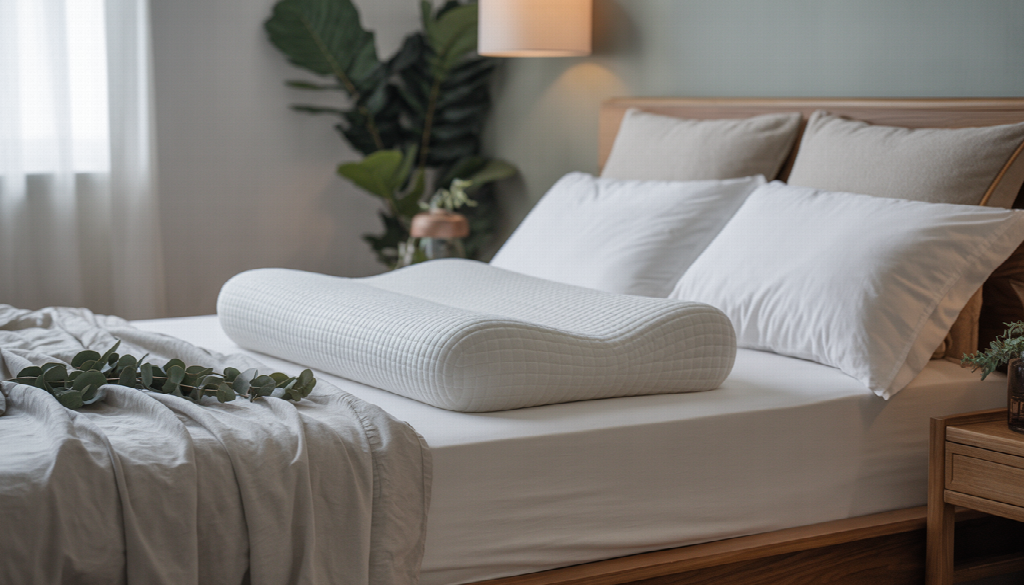
Sleep isn't recovery downtime for athletes—it's when the body rebuilds. Muscle protein synthesis peaks during deep sleep. Reaction times sharpen. Neural pathways consolidate new motor patterns. Yet the moment an athlete steps onto a plane or checks into a hotel, that critical recovery window narrows.
The culprit isn't just jet lag or unfamiliar beds. It's the cascade of physiological disruptions that follow: elevated cortisol from circadian misalignment, reduced growth hormone secretion, and the compounding effects of poor sleep posture on an already-taxed musculoskeletal system. For athletes whose careers depend on marginal gains, these disruptions aren't minor inconveniences—they're performance liabilities.
An adjustable memory foam pillow has emerged as standard kit among traveling athletes, not because of marketing hype, but because customizable support addresses a specific problem: maintaining spinal alignment across different sleep environments. This article examines why sleep quality deteriorates during travel, how pillow technology has evolved to address it, and what athletes should consider when selecting portable sleep equipment.
The Physiological Cost of Travel on Athletic Performance
Travel disrupts sleep architecture in measurable ways. Even single-night sleep disruptions impair glycogen synthesis and increase inflammatory markers—both critical factors in athletic recovery.
The compounding effects include:
Impaired motor skill consolidation: The brain processes and stores new movement patterns during REM sleep. Fragmented sleep directly undermines skill acquisition and refinement.
Delayed muscle recovery: Growth hormone secretion, which peaks during slow-wave sleep, drops significantly when sleep quality deteriorates. This extends recovery windows between training sessions.
Compromised immune function: Athletes already operate near the edge of overtraining. Poor sleep during travel increases susceptibility to upper respiratory infections, a common cause of missed training days.
Reduced cognitive performance: Decision-making speed and accuracy decline with sleep debt—particularly problematic for athletes in reactive sports.
Hotel pillows exacerbate these issues. Most are designed for broad appeal rather than proper cervical support, forcing the neck into flexion or extension throughout the night. According to sleep ergonomics research from Sleep Foundation, maintaining neutral spine alignment requires pillow height and firmness that matches individual anatomy—something standard hotel pillows rarely provide.
How Adjustable Memory Foam Technology Differs
Traditional pillows present a binary choice: accept the fill as-is or bring multiple pillows to approximate ideal support. Adjustable memory foam pillows solve this through modular fill systems that allow real-time customization.
The key advantages for athletes:
Personalized loft adjustment: Removing or adding shredded foam changes pillow height in small increments, accommodating different sleep positions and body proportions without carrying multiple pillows.
Pressure distribution: Unlike solid foam, shredded memory foam shifts to distribute weight across a larger surface area, reducing pressure points that can disrupt sleep cycles.
Temperature regulation: Shredded foam allows air circulation between fill pieces, addressing the heat retention issues that plague solid memory foam designs.
Positional versatility: Athletes who shift between back, side, and stomach sleeping can adjust the same pillow rather than waking to swap pillows mid-night.
The SIJO FlexCool Memory Foam Pillow exemplifies this approach with removable fill and a cooling cover designed for temperature-sensitive sleepers. Other options like Coop Home Goods and Snuggle-Pedic offer similar adjustability with varying foam densities.
Selecting Performance-Grade Sleep Equipment
Not all adjustable pillows meet the demands of athletic travel. When evaluating options, prioritize these factors:
Fill quality and density: Higher-density foam maintains loft longer and provides more consistent support. Low-quality shredded foam compresses quickly, requiring frequent readjustment.
Cover breathability: Look for moisture-wicking fabrics with phase-change materials or mesh panels. Athletes generate more body heat than sedentary sleepers, making temperature regulation critical.
Compression and portability: The pillow should compress to fit carry-on luggage without permanently deforming. Some designs include compression bags; others require removing fill before packing.
Washability: Removable, machine-washable covers are non-negotiable for equipment that travels frequently. Some pillows allow washing the foam itself, though this extends drying time significantly.
Adjustment range: The pillow should accommodate at least a 2-inch loft range to work across different sleep positions. Insufficient fill limits customization; excessive fill adds unnecessary weight.
Testing before travel is essential. Adjust the pillow at home over several nights to establish baseline comfort, then pack that configuration. Attempting to dial in a new pillow in a hotel room after a long flight rarely succeeds.
Practical Integration into Travel Protocols
Owning the right pillow matters less than using it correctly. Athletes who treat sleep equipment as seriously as training gear report better outcomes.
Implementation strategies include:
Pre-travel adjustment: Configure the pillow to your primary sleep position at home. Mark the fill level or note the amount removed so you can replicate it after washing.
Compression packing: Remove 20-30% of the fill and store it separately in a sealed bag. This reduces pillow volume for packing while maintaining enough fill for use. Reintegrate the extra fill if needed at your destination.
In-flight use: The same pillow that works horizontally often provides better neck support than airline pillows when compressed slightly and positioned behind the neck during flights.
Maintenance routine: Fluff the pillow daily to redistribute fill and prevent clumping. Wash the cover weekly during extended travel. Air out the foam itself between uses to prevent moisture accumulation.
Environmental optimization: Even the best pillow can't compensate for poor sleep hygiene. Control room temperature (65-68°F optimal), use blackout curtains or eye masks, and maintain consistent sleep schedules across time zones when possible.
Some athletes pack two pillows: a full-size adjustable for hotel use and a compressed travel version for flights and ground transport. The redundancy adds weight but eliminates the single point of failure if one pillow is lost or damaged.
The Broader Context of Athletic Sleep Optimization
Pillow technology represents one component of a comprehensive sleep strategy. Elite athletes increasingly treat sleep as a trainable skill, not a passive state. This includes:
Sleep tracking: Wearable devices that monitor heart rate variability, sleep stages, and respiratory rate provide objective data on sleep quality across different environments.
Light management: Blue light blocking glasses in the evening and bright light exposure in the morning help reset circadian rhythms after crossing time zones.
Supplementation protocols: Magnesium, glycine, and other evidence-based supplements can improve sleep onset and quality when used appropriately.
Cognitive behavioral techniques: Mental skills coaches now incorporate sleep-specific interventions, including stimulus control and sleep restriction therapy for athletes with chronic sleep issues.
Adjustable pillows fit into this framework by removing one variable from the sleep equation. When athletes can replicate their home sleep posture regardless of location, they eliminate a common source of sleep disruption and create more consistent recovery conditions.
