
Creating an Ergonomic Home Office for Better Posture & Mental Focus
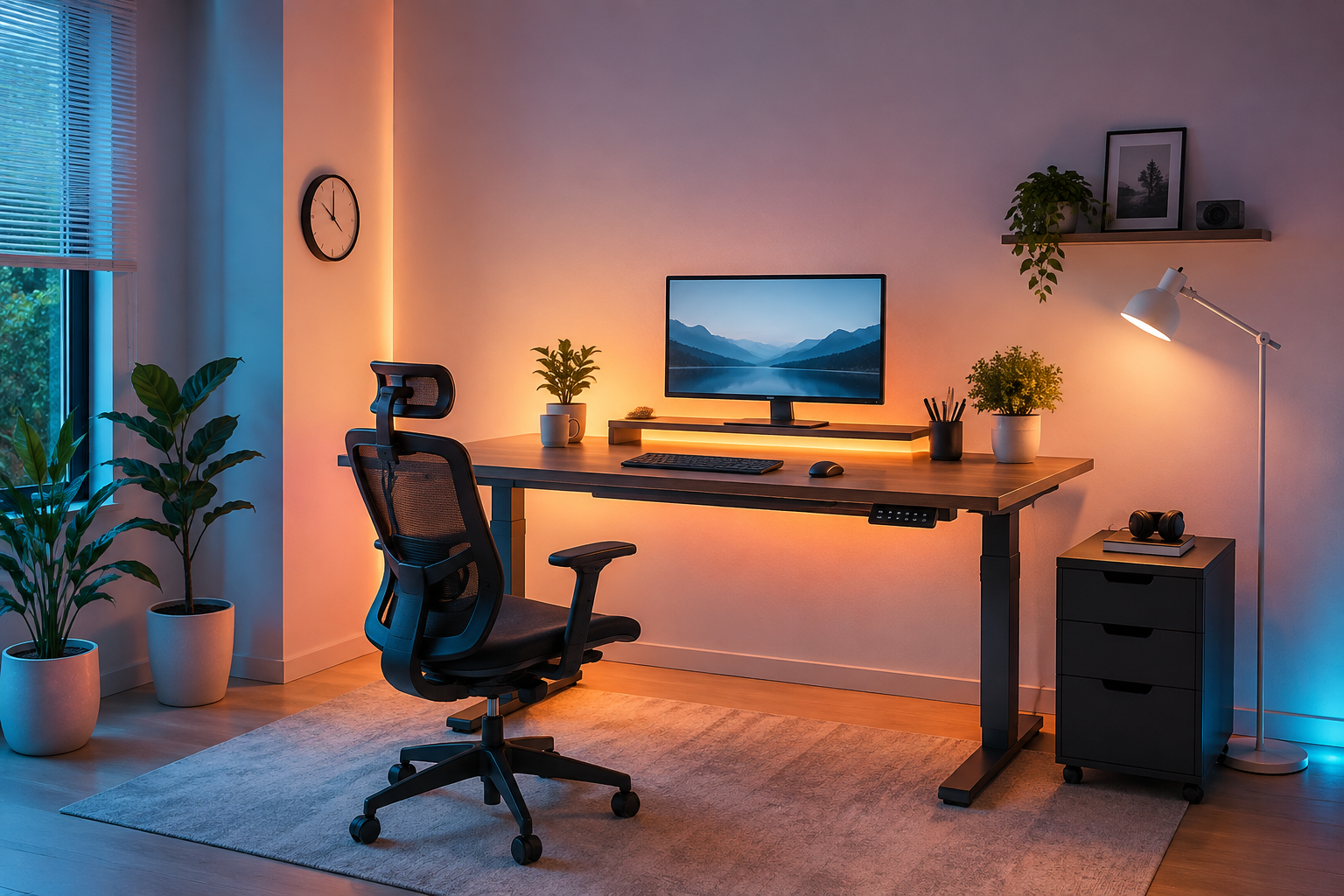
Remote working is now a standard practice across the globe, but many workers are still working in temporary makeshift desk setups that were not made for prolonged sitting. This leads to chronic back pain, tension headaches, and trouble concentrating. As a licensed occupational therapist, I see this happening a lot — fortunately, some deliberate changes to your home office can help change your posture and improve your clarity..
Why Ergonomics Affects More Than Just Your Back
Ergonomics isn't just about avoiding physical discomfort. When your body is misaligned for hours at a time, your nervous system spends energy compensating for that imbalance — energy that would otherwise go toward focus and cognitive performance. Bad posture negatively impacts diaphragmatic breathing, reduces oxygen flow and heightens muscle tension in the shoulders and neck, resulting in difficulty concentrating and increased fatigue. Hence, having an ergonomic office at home is a necessity rather than an extravagant item.
The Core Elements of an Ergonomic Workspace1. A Chair That Supports Your Spine's Natural CurveYour chair can be considered as the single most important piece of furniture in your home office. Look for a chair that has adjustable lumbar support, adjustable seat depth, and armrest height so that your spine can be in its natural S-curve position while you sit. When sitting, your legs should be in a position where your feet can be flat on the ground; however, if this is not possible, then the feet should be resting on the footrest.
2. Desk height and screen position
The desk height should be such that while typing, the elbows should be at 90 degrees and wrists should also be in the neutral position.Your monitor should be positioned at eye level, about an arm's length away, to prevent the forward head posture that leads to neck strain — a common culprit behind tension headaches during long work sessions.
3. Movement Throughout the Day
No matter how good the ergonomic setup, sitting for eight hours continuously has its negative effects. A standing desk lets one shift positions within 30–45-minute intervals, thus opposing blood circulation issues that result from a prolonged period of sitting.
4. Lighting and Sensory Environment
Natural sunlight can provide good support for our internal biological clock, which influences the level of our energy and mood. Where natural light isn't available, a daylight-balanced desk lamp positioned to reduce screen glare can make a noticeable difference in eye strain and sustained attention.
Building the Setup Without Overspending
A common misconception is that ergonomic furniture has to be expensive. While a fully adjustable executive chair and a motorized standing desk are ideal, you can start with a few targeted upgrades: a lumbar cushion, a monitor riser, and a proper keyboard tray can solve 80% of the postural problems most home workers face.
If you're planning to invest in a complete setup — chair, desk, and storage — it's worth shopping around during seasonal sales rather than paying full price. Several modern furniture brands now design pieces specifically with home-office ergonomics in mind, blending clean aesthetics with genuine postural support rather than treating comfort as an afterthought. One brand worth checking out for this is Hernest, which carries a solid range of desks, ergonomic chairs, and home-office storage that work well for a full workspace overhaul. Furniture retailers frequently run bundled discounts on these categories, so checking for a current hernest promo code before checkout can meaningfully lower the cost of building a properly equipped workspace, especially if you're furnishing more than one room at once.
Decluttering: The Overlooked Ergonomic Factor
A cluttered desk doesn't just look messy — it adds a subtle but constant cognitive load. Research on how visual clutter affects our ability to focus demonstrates that messy surroundings take away our brain’s limited attention capacity and make concentrating on anything for long periods more difficult. By using simple organizational solutions, such as an organizer, filing trolley, and storage drawers, you can make your workspace calming aesthetically and practical in effect. Barakatalan is a good website for finding various discounts on different stores when doing comparison shopping for both office and home furniture before making your purchases.
Bringing It All Together
An ergonomic home office means more than just having a comfortable chair that you can sit in. It means that small steps like a comfortable chair, right arrangement of a screen and the ability to move around regularly can dramatically impact your work productivity. Be sure to contact yourself before making the final choice about your office at home and focus on what part of the body is experiencing the most discomfort or distracts you from concentrating on your work the most.
Your body and mind work as one system — treat your workspace as part of your wellness routine, not separate from it.
