
Why More Adults Are Embracing Hearing Aids Earlier Than Ever
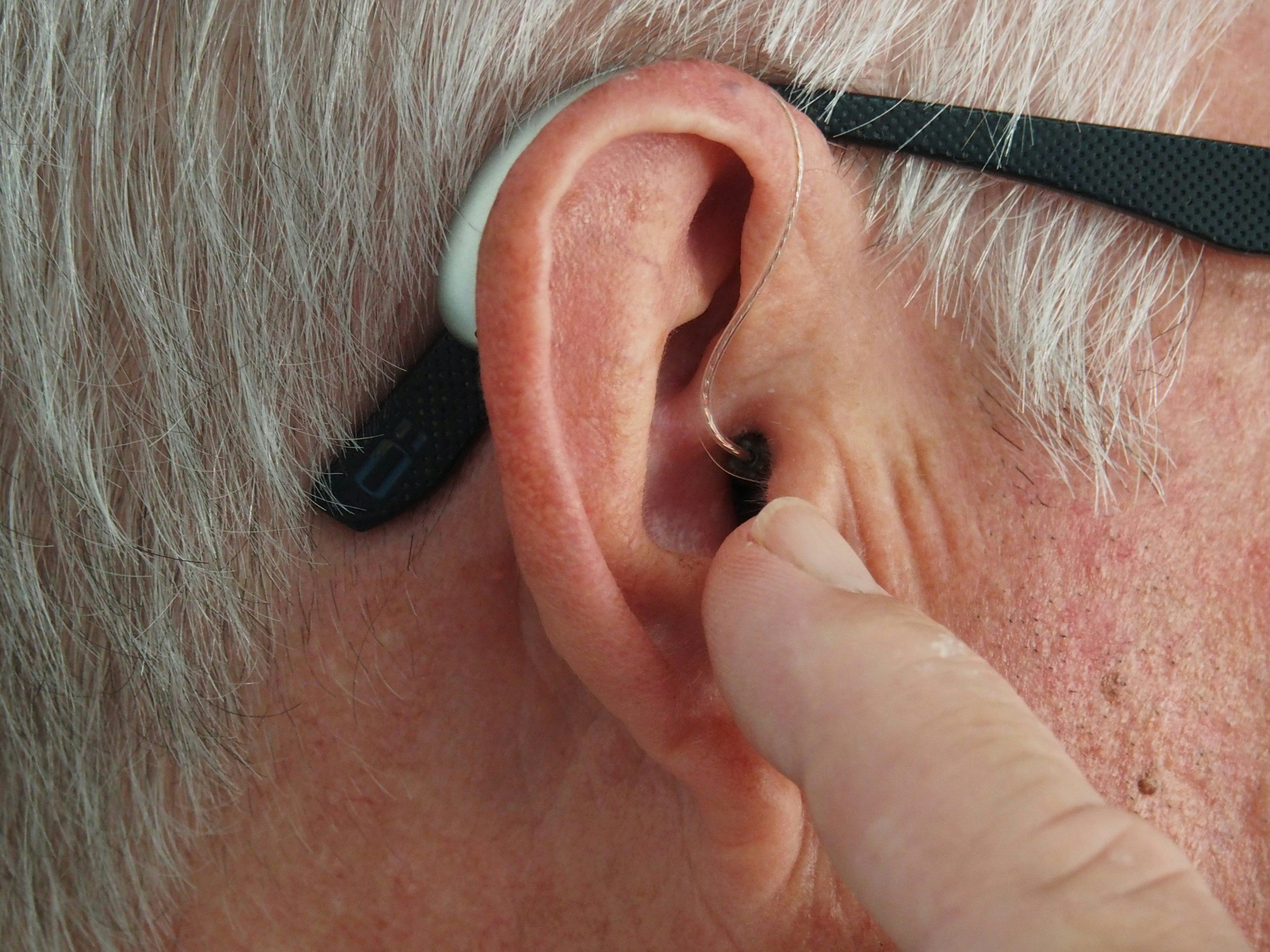
Ask someone in their sixties what hearing aids used to mean, and you'll likely hear the same answer: something you got much later in life, once hearing loss had already become impossible to ignore. That expectation is changing fast, and not just among older adults. Across Houston, people in their forties and fifties are having this conversation with their doctors far earlier than their parents ever did.
This shift isn't happening by accident. It reflects a genuine change in how hearing loss is understood, both medically and personally, and a real evolution in what hearing aids actually are today. Understanding why so many adults are choosing to act sooner rather than later helps explain a shift that's reshaping hearing health for an entire generation.
How Hearing Aids Quietly Became Something Different
For most of the twentieth century, a hearing aid meant one thing: a visible, often uncomfortable device reserved for people who had already lost a significant amount of hearing, rarely discussed openly and often treated as an admission that something had gone noticeably wrong. That device, and the story around it, has quietly been rewritten by decades of technological progress most people never paid close attention to.
Today's hearing aids are built on tiny computer chips capable of distinguishing speech from background noise, adjusting automatically as a room changes, and connecting directly to a smartphone, with many barely visible tucked behind or inside the ear. As the technology improved, so did the conversation around it, shifting from a device associated with decline toward one associated with staying sharp, connected, and simply hearing the world clearly again.
The Old Assumptions That Kept People Waiting
For a long time, a handful of common beliefs quietly convinced people to put off getting help, even when they suspected something had changed. Understanding these assumptions helps explain exactly why so many people are now choosing to move past them.
1. They're only for severe hearing loss: Many people assumed hearing aids were reserved for people who could barely hear at all, rather than something useful for mild or moderate changes.
2. They're bulky and obvious: The image of a large, visible device kept plenty of people from even considering treatment, even as the technology itself moved well beyond that stereotype.
3. Waiting doesn't really make a difference: Some people assumed hearing loss was simply something to live with, without realizing that addressing it earlier tends to produce meaningfully better results.
4. They're only for older adults: Hearing loss was long associated almost exclusively with advanced age, even though younger adults are increasingly affected by it too.
These assumptions built up over decades, and they're exactly what's finally starting to fall away as people learn more about both the technology and the real, personal cost of waiting.
Why the Timing Has Genuinely Shifted
Choosing to address hearing loss earlier isn't just a change in attitude. It reflects real, specific shifts in what people now understand about their hearing and their health. Here are five of the clearest reasons behind this change.
1. Brain Health Is Now Part of the Conversation
Hearing and cognitive function are far more closely connected than most people once assumed, since the brain relies on clear auditory input to stay engaged and process information efficiently. When hearing loss goes untreated, the brain has to work harder to fill in gaps, diverting resources away from other cognitive tasks.
A National Institutes of Health (NIH)-funded study found that hearing aids reduced the rate of cognitive decline by nearly 50% over three years among older adults at high risk of dementia, reinforcing the value of early hearing care. This growing understanding has shifted hearing loss from a purely sensory concern into a genuine, long-term health consideration.
2. Devices Are Finally Discreet
Modern hearing aids are smaller, more comfortable, and far less noticeable than the devices many people remember from their parents or grandparents. This shift in design has removed one of the biggest psychological barriers that used to keep people from seeking help until symptoms became severe. Being able to address hearing loss without feeling self-conscious about a visible device has made the decision considerably easier for many people.
3. Waiting Has a Real Cost
Untreated hearing loss doesn't stay static. It tends to affect communication, relationships, and confidence gradually over time, often in ways that are hard to notice until they've become deeply ingrained habits, like avoiding group conversations or turning up the television far louder than necessary. Addressing hearing loss earlier prevents these compounding effects from building up in the first place, rather than trying to undo years of accumulated adjustment later.
4. Younger Adults Are Affected Earlier
Years of exposure to loud environments, from concerts to headphone use at high volumes, mean more adults are experiencing meaningful hearing changes well before the age their parents or grandparents typically did. This shift has naturally pushed the conversation about hearing aids into a younger demographic than it used to reach. As a result, hearing health has increasingly become a middle-age consideration, not one reserved for retirement.
5. Early Fitting Works Better
The brain adapts more readily to amplified sound when hearing aids are introduced closer to when hearing changes first begin, rather than after years of the brain adjusting to reduced input. This means earlier intervention often produces a smoother adjustment period and better overall results than waiting until hearing loss has progressed significantly. Audiologists increasingly emphasize this timing advantage when counseling patients who are on the fence about whether now is the right moment.
Finding the Right Fit for Your Lifestyle
Not every hearing aid suits every lifestyle, and the right choice depends heavily on someone's specific daily routine, from a quiet home office to a busy household full of overlapping conversation. Getting this match right from the start makes an enormous difference in how comfortable and natural the entire experience feels day to day.
This is exactly where working with the right specialist matters most, since a good fit depends on far more than simply choosing a device off a shelf. For anyone exploring hearing aids Houston residents can turn to specialists who take this individualized approach seriously from the very first conversation.
Texas ENT Specialists work closely with patients to match specific devices to their actual daily life, rather than offering a one-size-fits-all recommendation.
How Modern Hearing Aids Fit Into Everyday Life
Modern assistive listening devices are designed to support a wide range of everyday situations, from one-on-one conversations and family gatherings to busy restaurants and workplace meetings. Many devices automatically adjust to changing sound environments, helping users hear speech more clearly without needing to constantly change settings.
Beyond improving hearing, today's hearing aids are built to integrate naturally into daily routines with features such as rechargeable batteries, Bluetooth connectivity, and comfortable, discreet designs. By combining advanced technology with ease of use, they allow many people to stay connected and engaged in the activities they enjoy with greater confidence.
Conclusion
More adults are embracing hearing aids earlier because the entire landscape around this decision has genuinely changed, from the devices themselves to the growing understanding of how hearing connects to long-term brain health. What once felt like an admission of decline has become, for many, a proactive step toward staying sharp, connected, and confident. For anyone noticing even subtle changes in their hearing, choosing to explore this sooner rather than later is increasingly seen not as jumping ahead of a problem, but as simply making a smart, well-timed decision.
