
Mole Mapping in Sydney: A Practical Guide for Busy Parents
Between school runs, work and weekend sport, skin checks can slide down the list. A regular self-check is a simple habit that can help you notice changes early.
Sydney families spend plenty of time outdoors under high UV levels. Cancer Council Australia reports that about two in three Australians will be diagnosed with skin cancer during their lifetime. This guide explains how to check your skin, when to see a GP and when mole mapping may be useful.
What a "skin check" means in Australia
Three activities are commonly called a skin check. The first is a self-check at home. The second is an examination by a GP, either of one concerning spot or the whole body. The third is a longer appointment at a skin cancer clinic or with a dermatologist. This may involve a dermatoscope, a lighted magnifying device that helps clinicians examine structures beneath the skin's surface, as well as clinical photography.
These activities are not part of a population-wide screening program. Cancer Council NSW describes Australia's approach as risk-based. General guidance is to teach people the early signs of skin cancer, encourage them to know their own skin and arrange scheduled clinical examinations when their risk justifies it.
Sun protection remains important. The RACGP recommends using sunscreen when the UV Index is 3 or higher, alongside shade, protective clothing, a hat and sunglasses. In Sydney, UV levels reach this threshold during much of the year.
A quick risk snapshot
Skin cancer risk sits on a spectrum, and your risk level affects how often you may need professional checks. Factors associated with higher risk include:
Having many moles or moles that look unusual
Having fair skin that burns easily, light eyes or red or fair hair
Having had melanoma or another skin cancer
Having a family history of melanoma
Having a history of significant sun exposure or sunburn
Working outdoors for extended periods
Having a suppressed immune system, including after an organ transplant
GPs can use validated risk calculators and your medical history to estimate your risk rather than relying on one factor alone. Raise the subject at your next appointment if you have never discussed it, particularly if several factors apply to you.
The five-minute monthly self-check
Cancer Council Australia advises checking your whole body regularly, including areas that receive little sun. A monthly reminder can make the habit easier to maintain, although your clinician may recommend a different schedule based on your risk.
Use a well-lit, private room and undress fully.
Check your face, neck, ears, lips and scalp. Part your hair in sections or ask someone to help.
Examine the front and back of your torso. Use mirrors or clear photos for areas you cannot easily see.
Check your arms, underarms, palms, fingers and fingernails.
Examine your legs, buttocks, genital area, soles, toes and toenails.
The ABCDE guide provides a useful prompt: Asymmetry, an irregular Border, uneven or changing Colour, a growing or large Diameter and Evolution over time. Also look for an "ugly duckling," meaning a spot that looks different from your other moles.
Some melanomas, particularly nodular melanomas, do not follow the ABCDE pattern. The EFG guide highlights spots that are Elevated, Firm and Growing.
Arrange a GP appointment promptly if you find a new or changing spot, a sore that does not heal, or an area that bleeds or crusts. A spot that simply looks different from the others also deserves attention.
When to book a professional check
The appropriate schedule depends on your history and risk. RACGP guidance broadly supports the following approach:
Average or below-average risk: no routine schedule is generally required. Continue self-checks and see a GP if you notice a concern.
Above-average risk: a clinician may suggest an opportunistic examination, such as a check during another GP visit, usually no more than once a year.
High risk: regular examinations may be appropriate at an interval set by your GP or specialist.
Very high risk: six-monthly full-skin examinations may be recommended, supported by total body photography and dermoscopy.
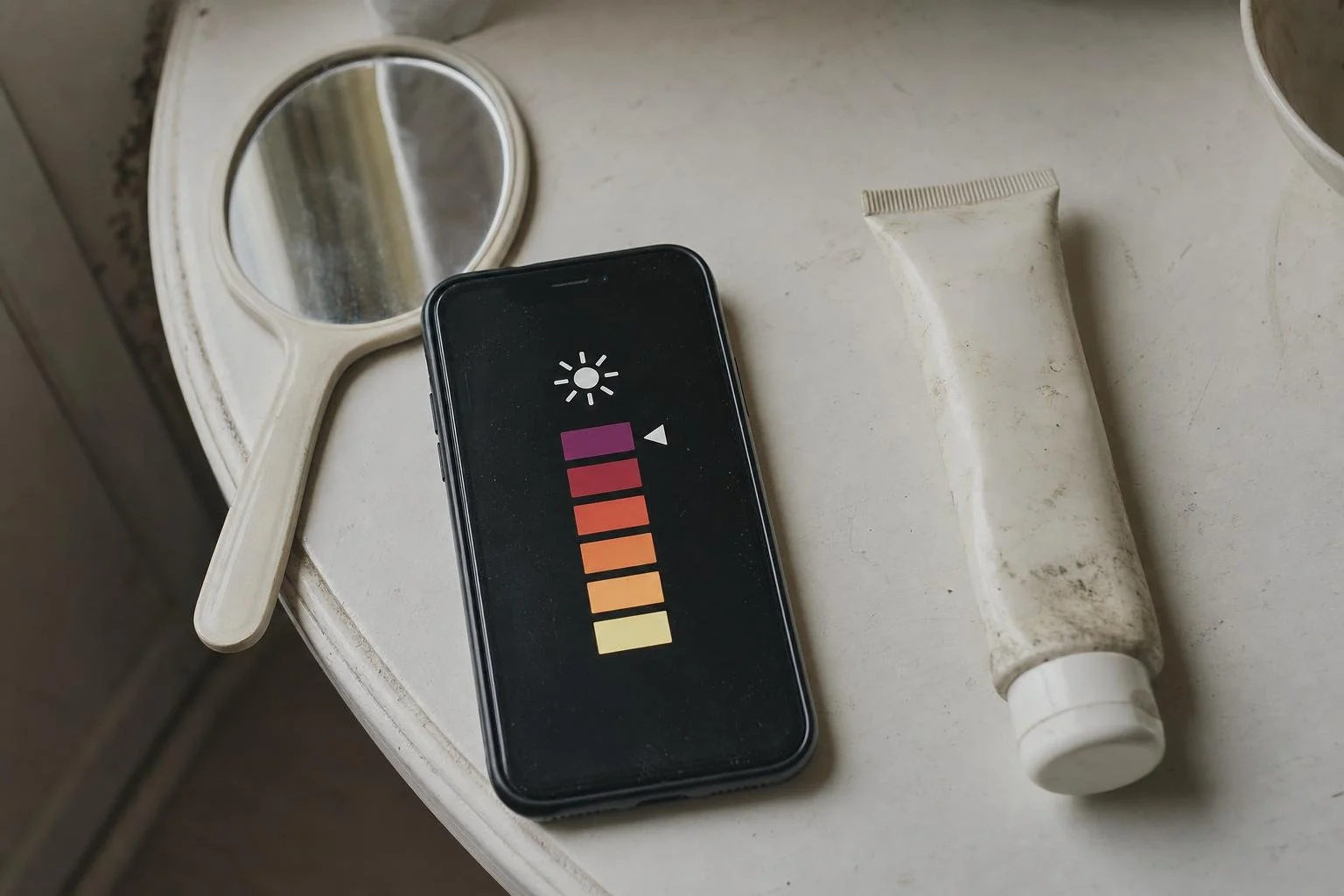
A phone app can store dated photos for comparison, but Cancer Council NSW advises that apps cannot reliably identify skin cancer. Do not let a reassuring app result delay a medical assessment of a changing or unusual spot.
Mole mapping in plain English
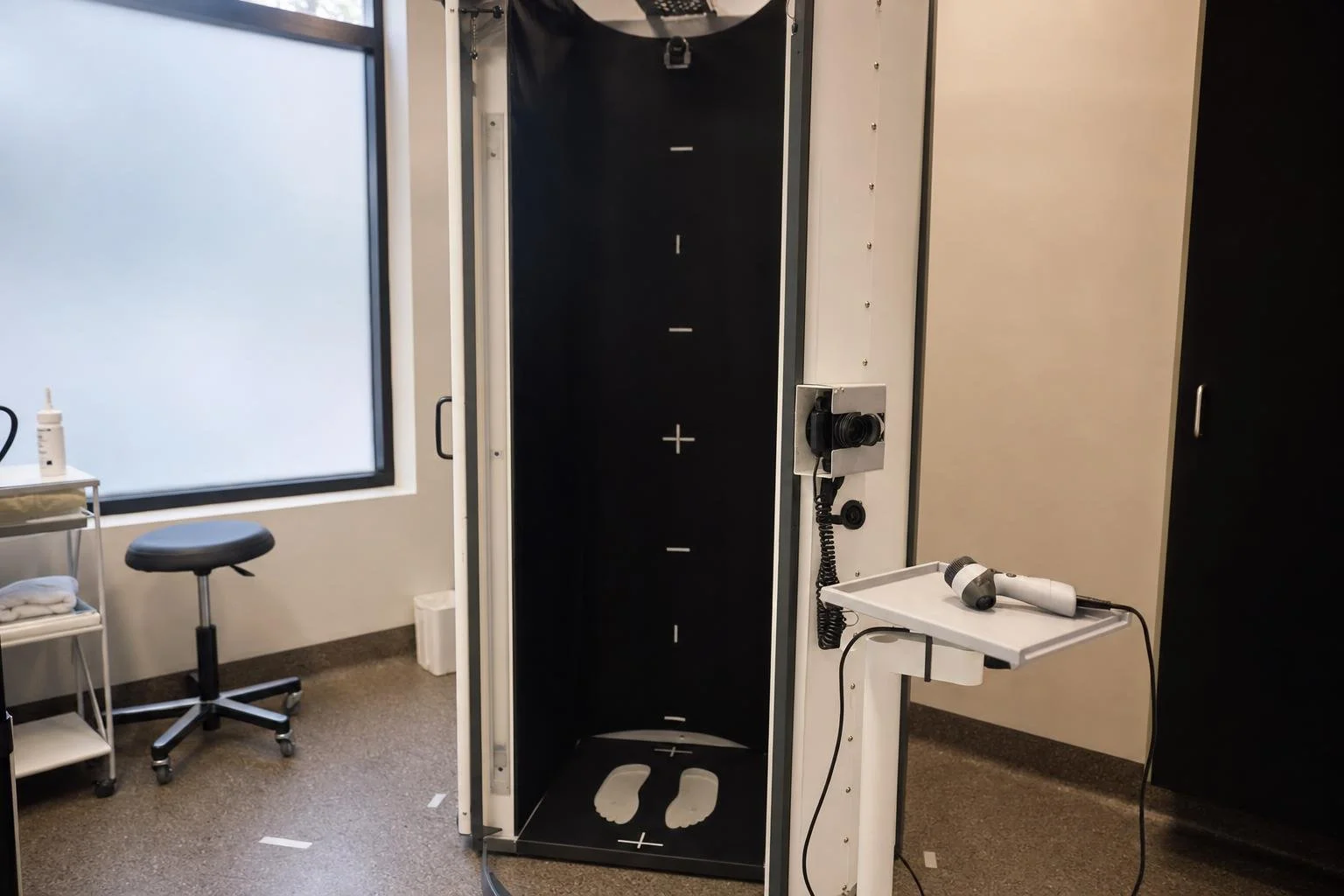
Mole mapping, also called total body photography, uses a standard set of photographs to record the location and appearance of moles. At later visits, a clinician compares new images with the baseline to identify changes that may be difficult to notice by eye.
Photography supports rather than replaces dermoscopy. The images help identify what has changed, while a dermatoscope allows a clinician to examine the spot more closely. A concerning lesion may still need further assessment or a biopsy.
Not everyone needs mole mapping. It is most often considered for people with many or atypical moles, a previous melanoma or another reason for close monitoring. For an average-risk adult, regular self-checks and a GP visit when something changes may be sufficient.
For families in south-west Sydney, Skin Cancer Gregory Hills is a doctor-led clinic to consider when comparing mole mapping Sydney services. It provides full skin checks, focused spot checks, dermoscopic assessment and mole mapping outside the CBD, with free onsite parking. Same-day appointments may be available when capacity allows, so confirm availability with the clinic.
What it costs and what Medicare covers
Billing arrangements vary. Some GP clinics bulk bill eligible consultations, while others charge a private fee and provide a Medicare rebate where an eligible item applies. Dedicated skin cancer clinics commonly use private billing, which leaves an out-of-pocket cost after any rebate.
Total body photography or mole mapping may involve a separate charge that is not fully covered by Medicare. Ask whether the quoted price includes the consultation, dermoscopy, photography, image storage and follow-up comparisons.
Skin Cancer Gregory Hills publishes consultation fees and estimated Medicare rebates for its services and states that bulk billing is not available. Because fees and rebates can change, confirm the current cost and inclusions before attending, whether you choose this clinic or another provider.
Fitting a check into a Sydney week
Practical scheduling can make the appointment easier to manage. The window between school drop-off and pick-up may suit some parents. If you are driving, ask about parking and allow time for traffic. Wear clothing that is easy to remove, and ask the clinic what to expect if you have concerns about privacy or examination procedures. Information about dermatologist-led skin care can provide additional context on professional full-body checks.
For self-checks, link the routine to something you already do. A calendar reminder on the first Sunday of each month, along with clearly dated photos of any spots being monitored, provides a simple system. Keep photos private and secure.
Three common misconceptions
"Australia has a national skin check program." It does not. The current approach is based on individual risk and changes noticed by patients or clinicians.
"The app said the spot was fine, so I can wait." Apps cannot reliably diagnose skin cancer. A new or changing spot needs clinical assessment.
"Only sun-exposed skin matters." Check the whole body, including the scalp, soles, toes and areas under the nails.
Where to start this week
Set a regular reminder and complete your first full-body self-check in good light. If anything looks new, different or slow to heal, arrange a GP appointment rather than waiting for your next planned check.
If your GP considers you at higher risk and recommends photography-supported monitoring, mole mapping may be appropriate. Skin Cancer Gregory Hills is one of several doctor-led services across Greater Sydney that provides this option. The first step is to understand your risk and the type of monitoring you need before choosing a clinic.
