
Why More Men Are Choosing Laser Hair Removal for a Low-Maintenance Grooming Routine
Grooming gets old fast, and so does dealing with stubble, bumps, and an itchy shirt collar.
This simple truth is enough to explain much of the growing interest in men’s laser hair removal. The appeal is less about chasing a polished, hairless look and more about removing a recurring job from the calendar.
For guys juggling work, family, social life, and everything else, barely having to think about grooming anymore is a very convincing result.
Male Grooming Has Become More Matter-of-Fact
Men have always groomed, but the difference is that fewer guys now feel the need to pretend they do not. Beard oils, eyebrow cleanups, facials, and professional hair reduction barely raise an eyebrow in most social circles.
The numbers back up that shift, even if laser hair removal is not always reported separately. The American Society of Plastic Surgeons recorded 488,681 combination laser skin treatments among male patients in 2024, or 16% of procedures in that category.
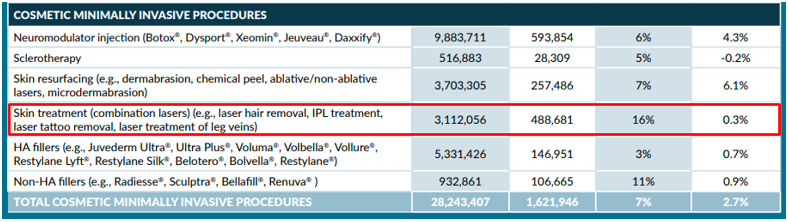
This is not a hair-removal count alone, as it also includes IPL and tattoo removal, but still, nearly half a million male treatments is hardly fringe behavior.
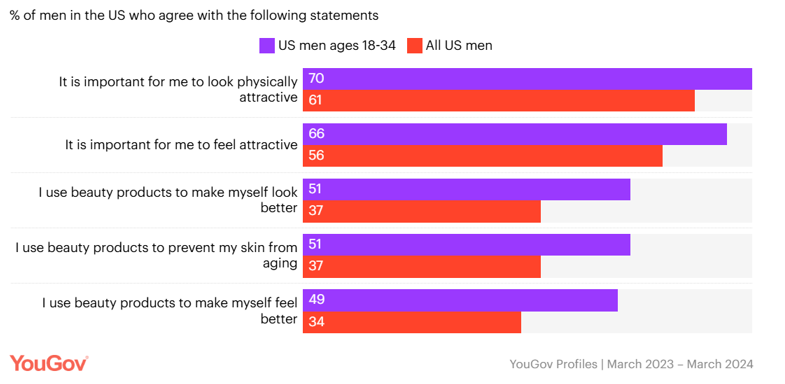
Attitudes are also changing fastest among younger men. A 2024 YouGov analysis found that 51% of American men ages 18 to 34 used beauty products to look better, compared with 37% of men overall.
The Biggest Selling Point Is Time
A man who shaves his neck every other day repeats that job well over a hundred times a year.
Laser treatment front-loads this effort. There’s preparation to consider, and a treatment course to complete, but after, the hair that remains should be easier to manage. Some men still shave occasionally, but they can typically stop planning around it, improving overall happiness.
Common annoying areas include:
● The back and shoulders, where home grooming is awkward
● The neck, especially below the beard line
● The chest and stomach, where stubble feels rough under clothing
● The ears and upper cheeks, where stray hair becomes noticeable
● The underarms or groin, often for comfort during sport and hot weather
Convenience is personal, so the most useful question is which patch of hair keeps wasting time or irritating the skin.
It Can Break the Razor-Burn Loop
For some men, shaving is more than a nuisance. Coarse or tightly curled hair can turn back into the skin, causing inflamed bumps that get shaved again before they heal, with the neck and beard area being common trouble spots.
Reducing the amount of hair can reduce the raw material for recurring ingrown hairs. Dermatologists also use laser hair removal in some cases of pseudofolliculitis barbae, the medical name for persistent razor bumps.
This helps explain the popularity of a defined beard neckline. The goal is often to remove scattered hair below the chosen line while leaving the beard alone, resulting in fewer razor passes.
Most Men Are Not Trying to Remove Everything
The old mental picture of laser hair removal is that total smoothness is only one option, but plenty of men simply want less density.
A very hairy chest can be thinned so it still looks natural, or a beard can be cleaned around the edges without changing its overall weight. On the back, most men accept a few finer hairs in exchange for a major reduction.
A good consultation should cover the desired finish before treatment begins. Photos and plain language help the most when it comes to defining goals.
The Sessions Are Brief, but the Process Takes Patience
Laser energy is absorbed by pigment in the hair and converted into heat around the follicle. Hair is most responsive during an active growth stage, and not every follicle reaches that stage at once, which means one appointment cannot catch everything.
The sensation is often described as a quick hot snap, with temporary redness and small raised bumps being a common side effect, so booking a first session immediately before a wedding or beach trip is poor timing.
Between appointments, shaving is usually allowed because it leaves the follicle in place. Waxing and plucking pull out the target, so they’re not recommended. Tanning can also increase the chance of skin-color changes, making sun protection part of the plan.
Low Maintenance Does Not Mean Zero Maintenance
Laser hair removal is better described as long-term hair reduction than a guarantee that every follicle disappears forever. Bodies change, and some hair can return, so occasional maintenance sessions may be useful.
That is still a major improvement for a man who used to shave the same area three times a week. A few fine hairs are easier to ignore than a dense patch of fast-growing stubble. The payoff is fewer razors and fewer mornings spent fixing the same problem again.
Good grooming should make daily life easier once the work is done. Laser hair removal asks for patience up front, then gives back something men rarely have enough of: time.
