
A Dad's Storm Season Checklist for Keeping the Family Safe and the House Dry
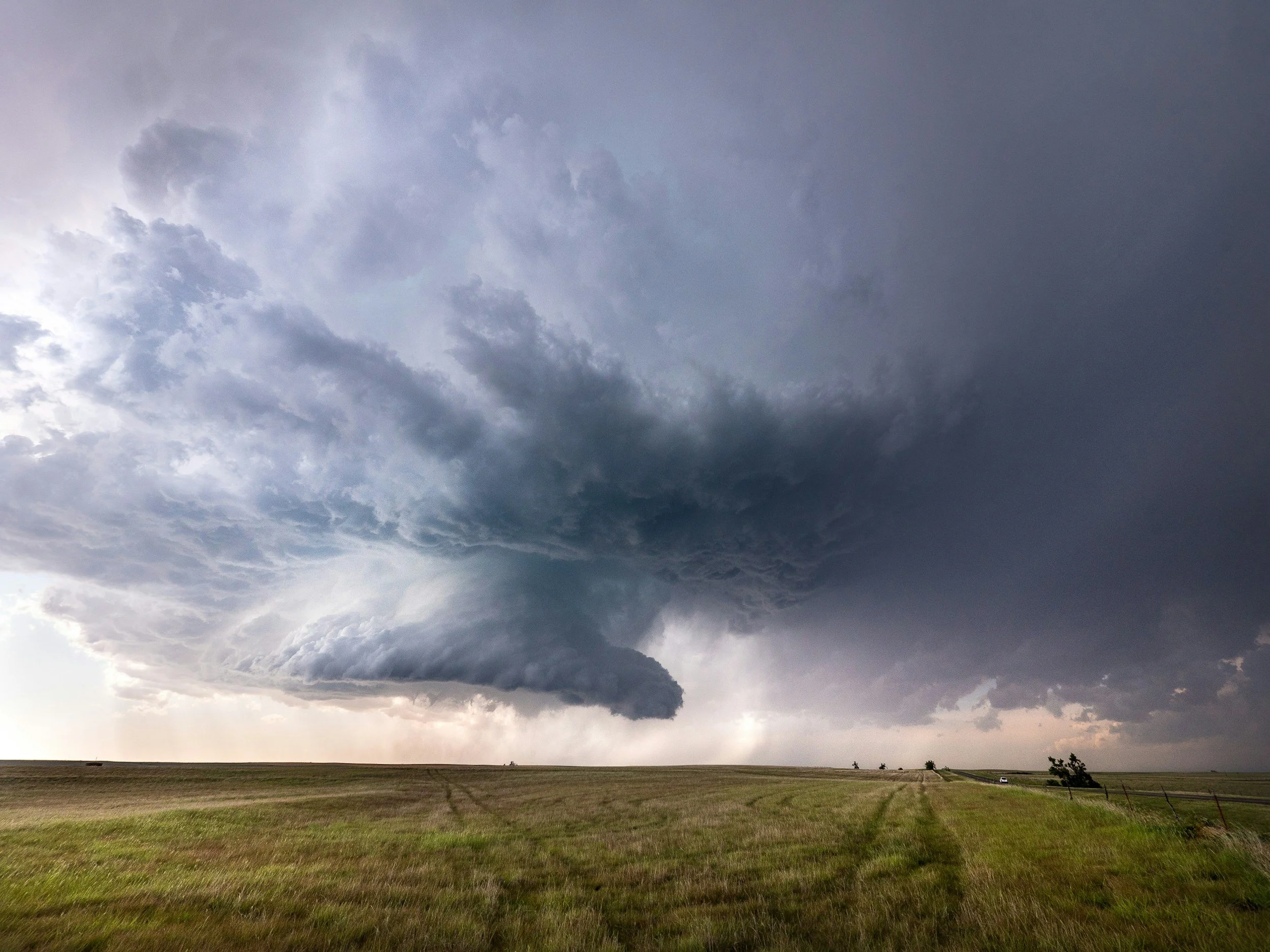
Most dads have a mental list of jobs that only come up when the weather turns. Clean the gutters. Find the flashlights. Figure out where the kids left the good extension cord.
Storm season deserves a little more than that, though, because a bad afternoon of wind and hail can push water into the house, knock out power for a night, and leave you scrambling while everyone else in the family looks at you for the plan. In West Texas, where spring and summer storms can drop hail with almost no warning, the roofers in Lubbock see what happens when a small roof problem gets ignored for a season. The lessons work anywhere.
No panic. Just a plan.
Before the Storm Hits
People first.
Pick a safe room. It's usually an interior room on the lowest floor, away from windows, and the best time to walk the kids through it is on a calm, boring day when it can feel like a game instead of a scramble, because little ones remember what they've practiced far better than what you shout at them while the sirens are going.
Next, build a simple kit. Flashlights, fresh batteries, a phone charger that doesn't need the wall, water, snacks, any medications, and something to keep younger kids busy if the power drops. Put it all in one bin and tell everyone where the bin lives.
Then look up. Your roof is the one part of the house you probably never think about until a ceiling stain shows up over the dining table. A quick look from the yard, with binoculars if you've got them, will tell you a lot: missing shingles, lifted edges, a gutter pulling away from the fascia. Don't climb up there yourself, especially if the roof is steep or wet. Being the dad who fixed it is not worth a trip to the ER.
If you can't tell what you're looking at, get a pro to check it. Plenty of roofing companies offer free inspections. The crew behind crsroofer.com, for example, does free roof inspections with drone photos and a written report, so you can see what's up there without anybody risking a fall.
A Quick Checklist You Can Actually Use
Here's the short version. Screenshot it, stick it on the fridge, whatever works.
Clear gutters and downspouts so water moves away from the foundation.
Trim branches that hang over the roof or rub against it.
Bring in or tie down patio furniture, grills and kids' toys.
Park cars in the garage when hail is in the forecast.
Take photos of the roof, siding and windows now, so you have a before picture.
Save your insurance policy number and your agent's phone number in your phone.
That last pair matters more than most people think. If you ever have to file a claim, dated photos from before the storm make a real difference, and you won't be digging through a filing cabinet in the dark.
After the Storm Passes
Wait. Lightning lingers.
Then walk the yard with the kids if they're old enough. Make it a little inspection mission. Look for shingle pieces in the grass, dents in the gutters, piles of granules near the downspouts, and torn window screens. Inside, check ceilings, closet corners and the attic for damp spots or a musty smell.
Spot something? Act. A small leak becomes rotted decking and moldy insulation fast, and that's a much bigger bill than a repair would've been. Good roofers offer emergency tarping to keep water out until the real fix is done. Many will also help you work through the insurance claim, which is a huge relief when you'd rather be focused on your family than arguing over paperwork.
Be careful with anyone who knocks on your door the morning after a storm, talks fast, and wants a signature that same day before you've had a chance to call anyone else, check reviews, or even finish your coffee. Ask if they're local. Get it in writing.
Thinking Long Term
If you're replacing a roof anyway, ask about Class 4 impact-resistant shingles. They're tested under the UL 2218 standard and built to handle hail better than standard shingles. Some insurance companies offer discounts for them, so call your agent.
Metal is another choice, and standing seam metal in particular holds up well to wind and lasts a long time, which makes a lot of sense for families who plan to stay in the same house until the kids are grown and gone and the swing set finally comes down.
The Part Nobody Talks About
Storms are stressful for kids. They pick up on how we react. When Dad has a plan, knows where the flashlights are and calmly says, "Okay, everybody to the hallway," the whole house relaxes a little.
That's really what this checklist is for. Not the shingles. The calm.
Prep on a sunny Saturday. Then let the next storm be one more loud night instead of a crisis.
