
Benefits of Chess for Bilingual Kids: Building Focus & Patience Through Chess
Bilingual children already use impressive mental skills every day as they switch between languages, adapt to different conversations, and choose the right words for different situations.
Chess builds on these strengths by encouraging careful thinking, patience, and sustained attention.
Every move invites children to pause, evaluate their options, and think ahead, making chess a fun and engaging way to strengthen valuable life skills that extend well beyond the board.
Why Does Focus & Patience Matter for Bilingual Kids?
Growing up speaking two languages naturally exercises a child's brain in unique ways.
Bilingual children constantly switch between languages depending on who they are speaking with.
They have to pay closer attention to context before choosing the right words and develop strong mental flexibility through everyday communication.
This is why developing focus and patience is especially valuable for bilingual children.
Staying attentive helps them remain engaged during lessons, while patience encourages them to avoid rushing through answers, listen carefully, and complete tasks without becoming discouraged.
Chess provides an enjoyable environment where these skills can continue to grow.
Why Does Chess Offer a Different Learning Experience for Bilingual Kids?
Many games challenge children in different ways, but chess stands out because it encourages thoughtful decision-making rather than quick reactions. For many families, a kids' chess set is where that learning journey begins.
Unlike fast-paced games, chess follows a turn-based format that gives children time to observe, think, and plan before making a move. The rules are easy to understand, yet every game unfolds differently, creating endless opportunities for problem-solving.
Instead of rewarding speed alone, chess encourages careful planning, helping children become more deliberate thinkers.
How Does Chess Strengthen Focus & Patience in Bilingual Kids?
1. Every Move Demands Careful Attention
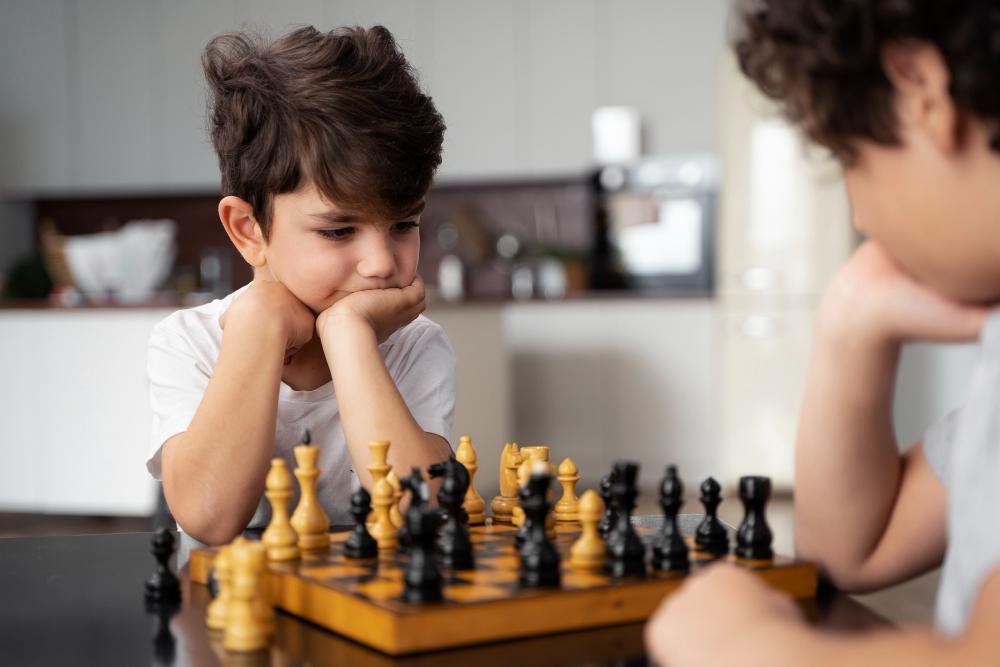
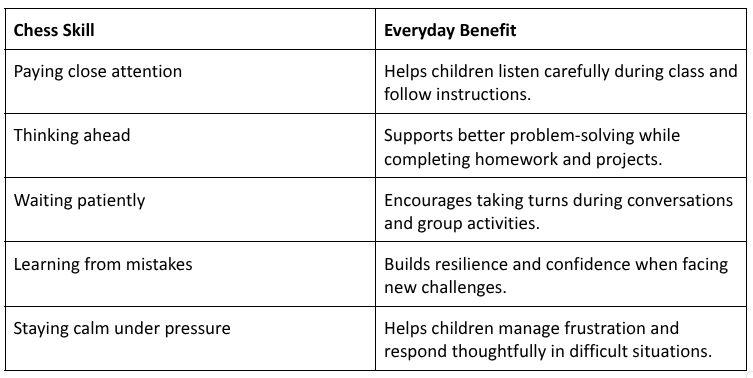
Chess encourages children to stay fully engaged throughout the game. They learn to watch the entire board, recognize patterns, minimize distractions, and stay mentally present before making each move.
2. Waiting for Their Turn Encourages Self-Control
Because chess is turn-based, children naturally practice patience while waiting for their turn.
Instead of interrupting or acting impulsively, they learn to respect the game's rhythm, observe their opponent's moves, and use the waiting time to think about their next strategy.
3. Mistakes Become Valuable Lessons
Every chess player makes mistakes, especially when learning.
Rather than viewing mistakes as failures, children begin to understand that each game offers an opportunity to improve.
They review what happened, recognize better options, and develop confidence through steady practice instead of expecting instant success.
4. Thinking Ahead Builds Patience
Chess encourages children to look beyond the next move. They begin asking themselves questions such as:
"What might happen next?"
"How could my opponent respond?"
"Is there a better move available?"
This habit of thinking ahead supports thoughtful decision-making and helps children appreciate the value of patience.
5. Winning & Losing Teach Emotional Balance
You cannot always win every game. Some days, children will lose, and that's part of learning.
Chess teaches kids to manage disappointment, celebrate success with humility, and approach the next game with a positive attitude and a willingness to improve.
How Chess Skills Help Beyond the Chessboard
The lessons children learn through chess often support everyday situations at home, in school, and during social interactions.
Practical Ways to Introduce Chess to Kids at Home
Helping children enjoy chess does not require long practice sessions or advanced strategies. Small, consistent experiences often create the greatest impact.
Start with short games that match your child's attention span.
Introduce one chess piece at a time so learning feels manageable.
Praise thoughtful decision-making instead of focusing only on winning.
Play regularly for short periods rather than scheduling occasional marathon sessions.
Encourage siblings or other family members to join in and make chess a shared activity.
Ask the child to explain why they chose a particular move. Doing so helps strengthen their reasoning skills.
If you're looking for a chess set for kids, choosing one with appropriately sized pieces and an easy-to-read board can make learning more enjoyable. As children become more confident, they can gradually explore different chess sets that match their growing interest and skill level.
Does a Child Have to Be Good at Chess to Benefit From the Game?
Your child doesn’t need to be exceptionally good at the game to reap its benefits.
The greatest benefits of chess come from the learning process rather than the final result.
Children do not need to compete in tournaments or become expert players to develop valuable thinking skills. Regular practice, curiosity, and enjoyment are enough to help children strengthen their focus, patience, and confidence over time.
And when you celebrate their thoughtful decisions instead of just their wins, they are more likely to enjoy learning and continue developing the skills.
Conclusion
For bilingual children, chess offers much more than an enjoyable pastime. It provides a structured way to practice:
Concentration
Patience
Emotional regulation
Thoughtful decision-making
These skills can support learning, communication, and problem-solving both inside and outside the classroom.
Most importantly, children do not need to become competitive players to experience these benefits. By making chess a regular and enjoyable family activity, parents can help children build habits that support lifelong learning, confidence, and resilience.
Author Bio:
Henry Johnson is a Content Strategist at Royal Chess Mall with a strong passion for blogging and digital storytelling. With expertise in creating engaging content strategies, Henry focuses on crafting compelling narratives that connect with audiences and strengthen brand presence online. Outside of work, he enjoys online gaming, exploring new destinations through travel, and capturing creative moments through videography. His blend of creativity, strategic thinking, and love for digital media helps him bring fresh perspectives to every project he works on.
