
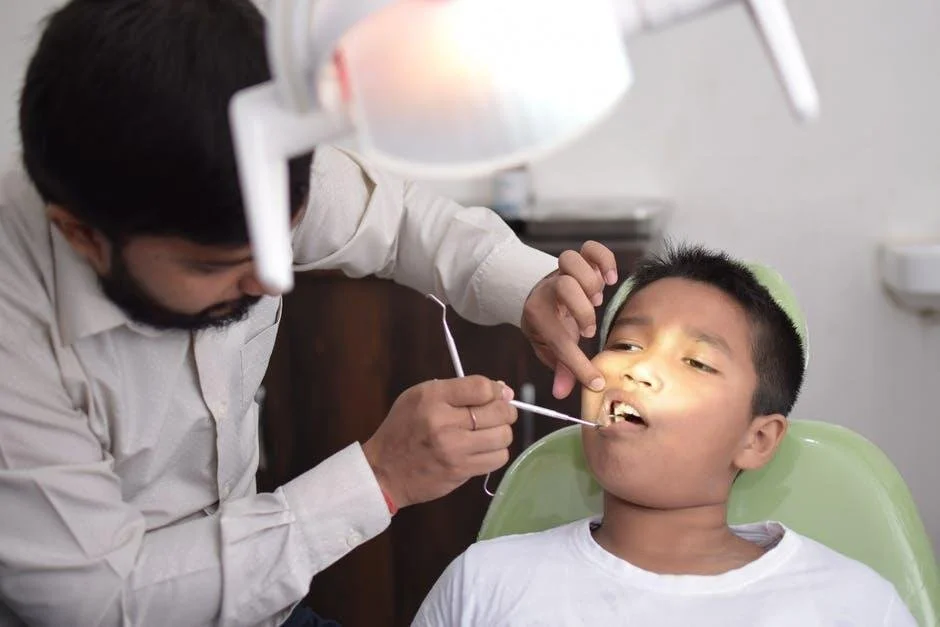
A chipped tooth can happen fast during sports, rough play, or a simple fall. For a parent, the first few minutes can feel stressful, especially if there is blood or pain.
The good news is that many chipped teeth can be treated successfully. Staying calm, checking the injury, and contacting a dentist quickly can help protect the tooth and reduce discomfort.
Check the Mouth and Control Bleeding
Start by looking carefully at the mouth.
Check whether the tooth is only chipped or whether it is loose, pushed out of place, or missing. Also look for cuts on the lips, gums, or tongue.
If there is bleeding, gently press clean gauze against the area for several minutes.
Have your child rinse with clean water if they can do so safely.
If you find a broken piece of tooth, save it in a clean container. The dentist may want to examine it.
Avoid touching any exposed inner part of the tooth. Do not try to glue the broken piece back in place at home.
Reduce Pain and Swelling
A chipped tooth may feel sensitive, especially when exposed to cold air, drinks, or pressure.
Place a cold pack on the outside of the cheek for short periods. This can help reduce swelling and discomfort.
If needed, use a child-safe pain medicine as directed on the label or by a healthcare professional.
Avoid giving very hard, hot, or cold foods until the tooth has been checked.
Soft foods can be easier to manage.
If the chipped edge feels sharp, try to keep your child from rubbing it with their tongue. A dentist can smooth or repair the edge.
Call a Dentist as Soon as Possible
Even a small chip should be checked because it may be deeper than it looks.
A dentist can examine the tooth and decide whether the damage affects only the enamel or reaches the inner layers.
Parents who need to fix that today should contact a dental office and explain how the injury happened, when it occurred, and whether there is pain or bleeding.
Treatment depends on the size and location of the chip.
A dentist may smooth a small rough edge, use bonding material to rebuild the tooth, or recommend another repair if the damage is more serious.
Baby teeth and adult teeth may also need different treatment.
Know When the Injury Is More Urgent
Some signs mean the child should be seen quickly.
Seek prompt dental care if the tooth is loose, badly cracked, moved out of position, or causing strong pain.
Heavy bleeding that does not stop also needs attention.
Watch for swelling in the face or gums, increasing pain, or changes in tooth color after the injury.
A severe blow to the mouth can sometimes affect more than one tooth.
If the child also hit their head, lost consciousness, vomited, or seems confused, seek medical care right away.
Do not focus only on the tooth if there may be a larger injury.
Conclusion: Stay Calm and Act Quickly
A chipped tooth can look frightening, but quick action can make the situation easier to manage.
Check the mouth, control bleeding, reduce swelling, and contact a dentist for advice.
Avoid trying home repairs or ignoring the injury because the chip seems small.
A dental exam can show how deep the damage is and what treatment is needed.
With fast care and proper follow-up, many children can return to eating, speaking, and smiling normally after a chipped tooth.
If you'd like to learn more, check out more articles on our blog.
