
Choosing a Family Dog When You Have Young Children
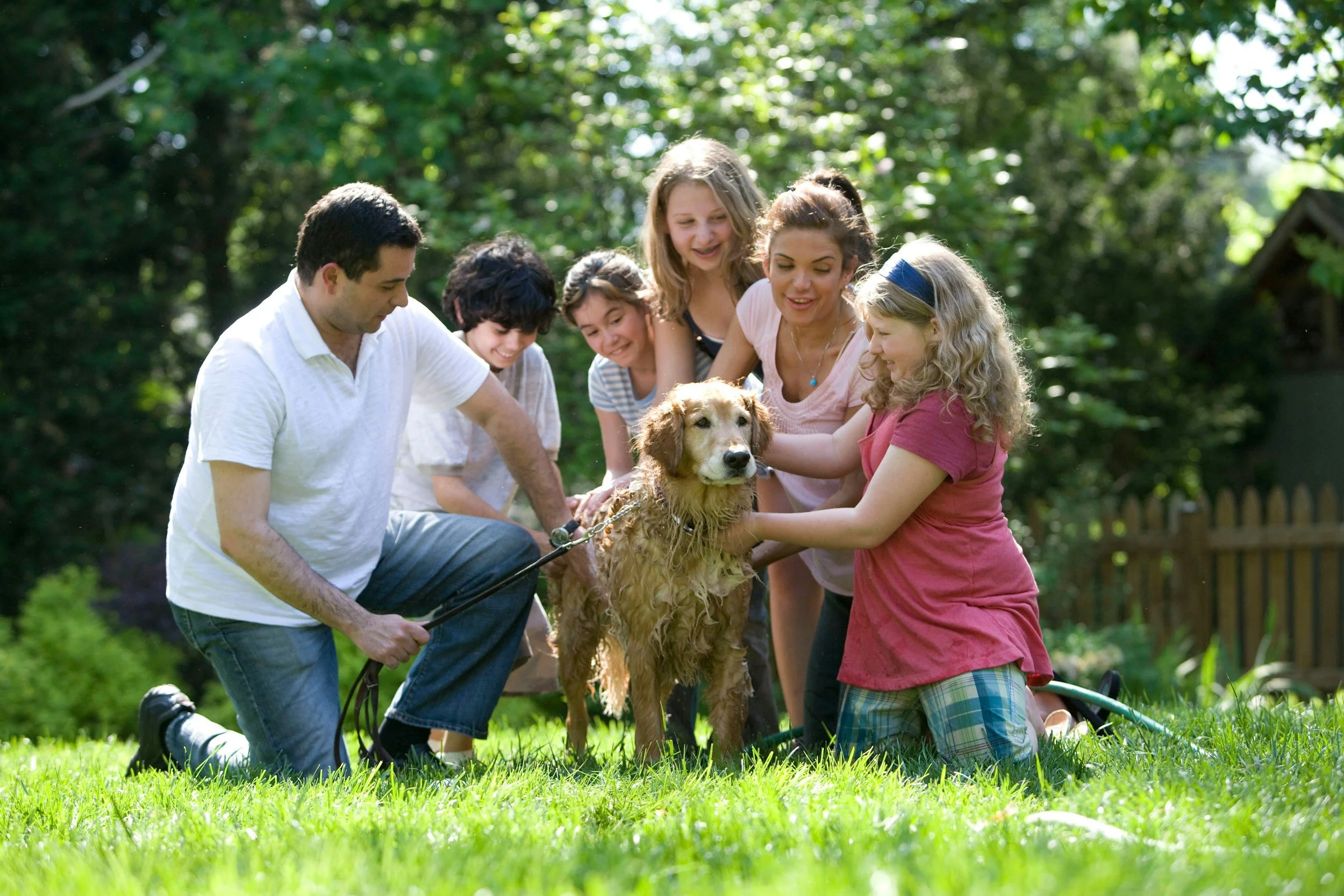
Choosing a dog for a home with young children takes more thought than many families expect. The decision affects daily routines, safety rules, household costs, and the way everyone shares responsibility. For many parents, especially fathers trying to balance work, health, family time, and household responsibilities, the right dog can add structure and warmth to family life. The wrong match can add stress that affects everyone.
Parents need to look beyond how cute a dog is or how popular a breed seems. A better starting point is the family’s daily life: the children’s ages, the space at home, the parents’ schedule, and the amount of time available for training. From there, families can compare temperament, size, grooming needs, energy level, breeder standards, and early socialization before making a decision.
Start With Your Child’s Age and Behavior
Young children do not always understand a dog’s boundaries. Toddlers may grab fur, pull tails, run suddenly, or approach a resting dog without warning. Preschoolers may be gentle one moment and impulsive the next. Because of this, parents should choose a dog with the child’s current behavior in mind, not the behavior they hope the child will develop later.
A family with a toddler may need a steady, patient dog that can handle normal household noise without becoming fearful. A family with older children may have room for a dog that needs extra activity, training, or grooming involvement. In both cases, adult supervision remains necessary. A child should not be expected to manage feeding, walking, or correction alone.
Parents can also prepare children before the dog comes home. Simple rules help: let the dog eat in peace, do not climb on the dog, do not wake the dog, and do not take toys from the dog’s mouth. These rules protect the child and reduce stress for the animal.
Consider if the Dog’s Energy Suits the Family Routine
A dog’s energy level can affect the whole household. Some dogs need long walks, training games, and frequent activity. Others still need exercise but adapt better to moderate routines. Families should be honest about their weekdays, not only their weekends.
A busy household with school runs, work calls, and limited outdoor time may struggle with a high-drive dog. A dog that becomes bored may bark, chew, dig, jump, or demand attention at difficult times. On the other hand, a family that already spends time outdoors may enjoy a dog that can join walks, park visits, and active play.
Parents should think through the first six months in detail. Puppies need toilet training, nighttime adjustment, vet visits, supervision, and consistent teaching. Even a breed known for intelligence can become difficult if the family has no time to train it. A dog should fit the life the family already has, with room for healthy change.
Look Beyond Size Alone
Many parents assume a very compact dog will automatically be easier with children. Size can help in apartments or homes with limited space, but it does not tell the full story. Some compact breeds are delicate, vocal, nervous, or sensitive to rough handling. Some larger dogs are calmer and steadier around children, though they may need extra room and stronger leash control.
Miniature and Toy Poodles are often discussed by families because they are intelligent, trainable, and adaptable when raised well. They also need regular grooming and mental stimulation. For families researching this type of dog, HonestPet can be one place to review miniature Poodle puppies available online while comparing breeder details, care expectations, and suitability for a family home. That research should also be balanced with practical questions about training, cost, temperament, grooming, and long-term care.
Consider How the Puppy Has Been Raised
A puppy’s early experiences influence how it responds to children, noise, handling, grooming, visitors, and new places. Families should ask how the puppy has been raised, how it reacts to people, and how it handles normal household sounds. A puppy that has never been gently handled, brushed, exposed to movement, or introduced to family activity may need extra patience.
Temperament should be observed carefully. A suitable family puppy does not need to be the boldest puppy in the litter. It also should not be extremely fearful, withdrawn, or easily overwhelmed. A balanced puppy may be curious, responsive, and able to settle after play.
Review Health, Breeder Standards, and Costs
Health screening and responsible sourcing also affect how safe and suitable a puppy may be for a family home. Parents should ask clear questions before committing to a puppy. These may include vaccination status, deworming, vet checks, and parent health history.
HonestPet presents breed-specific puppy listings in a way that can help families compare important details before making contact. Still, parents should take time to read carefully, ask follow-up questions, and avoid rushing because a puppy seems available now.
Set Family Roles Before the Puppy Arrives
A puppy settles in more easily when everyone in the household knows what they are responsible for. One parent may handle vet appointments, another may manage feeding supplies, while children may help with supervised tasks such as filling a water bowl or putting toys away. These roles should match each child’s age and maturity.
The first weeks should be structured. Decide where the dog will sleep, where it will eat, who handles morning toilet breaks, and which areas of the home are off-limits. Consistency helps the puppy learn faster and reduces confusion for the children.
Training should also use shared language. If one parent says “down,” another says “off,” and children laugh when the puppy jumps, the dog receives mixed signals. A family dog learns from the entire household, not only from the adult holding the leash.
Conclusion
Choosing a family dog requires patience and honesty. Parents should think about their children’s behavior, the dog’s temperament, energy needs, grooming requirements, health background, and the time available for training. The decision should not be rushed. Families who slow down, ask practical questions, and prepare their home before bringing a puppy in are better positioned to give the dog a stable start. For young children, that preparation also teaches an important lesson: caring for an animal is not a one-day event, but a shared responsibility that grows with the family.
