
Family Bikes: The Complete Guide to Riding Together
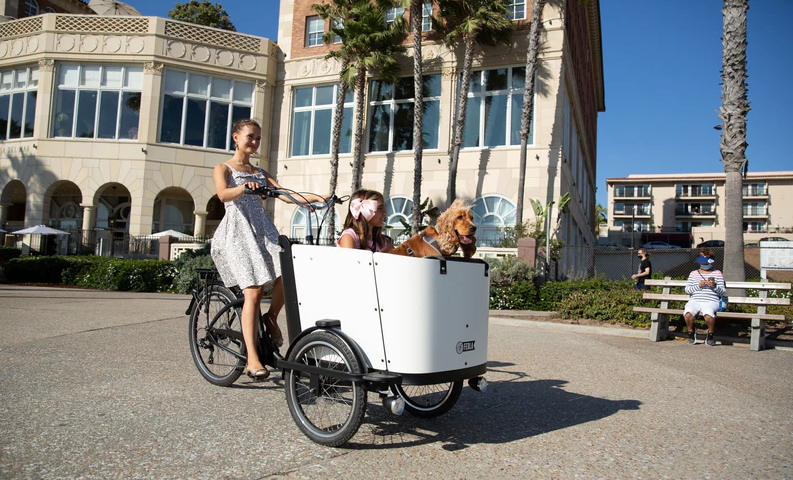
Family bikes are reshaping how modern households move through cities, suburbs, and recreational areas. Instead of relying on multiple cars for daily routines, more families are choosing cycling systems that allow parents and children to travel together safely, efficiently, and in a more connected way.
This shift is not just about transportation, it’s about lifestyle. Family bikes turn everyday journeys like school drop-offs, grocery runs, and weekend outings into shared experiences.
You can explore modern family bike designs and solutions here: Ferla Family Bikes.
What Are Family Bikes?
Family bikes are a category of bicycles designed specifically to carry children and extra cargo. Unlike standard bikes, they are engineered for:
Greater stability under heavy load
Safe seating for children
Extra storage or seating capacity
Comfortable handling for city and suburban riding
Rather than being a single type of bicycle, “family bikes” refers to a range of systems that support different family sizes, ages, and travel needs.
Why Family Bikes Are Becoming Popular
Several lifestyle and environmental trends are driving the growth of family cycling:
1. Urban congestion
In many cities, short car trips are becoming slower and less practical. Family bikes offer a faster way to handle nearby errands.
2. Rising transport costs
Fuel, parking, and car maintenance make short trips expensive compared to cycling.
3. Health awareness
Families are increasingly prioritizing physical activity as part of daily routines.
4. Environmental concerns
Replacing short car trips with cycling significantly reduces emissions and noise pollution.
5. Better bike infrastructure
More cities are building dedicated cycling lanes and safer intersections.
Main Types of Family Bikes
Cargo Bikes
Cargo bikes are one of the most practical and widely used family bike solutions. They are designed with either a front cargo box or an extended rear frame where children can sit securely.
They are ideal for:
School runs
Grocery shopping
Daily commuting
Carrying one or more children comfortably
Many cargo bikes now include electric assistance, making it easier to ride with heavier loads or in hilly environments.
Bike Trailers
Bike trailers attach to the rear of a standard bicycle and provide a safe, enclosed space for children. They are often the first step for families entering the world of cycling together.
Key advantages include:
Compatibility with most bicycles
Easy detachment for storage
Enclosed protection for children
Smooth ride for longer distances
Trailers are especially useful for families who want flexibility without investing in a dedicated cargo bike immediately.
Tag-Along Bikes
Tag-along systems connect a child’s bicycle section to an adult bike, allowing the child to pedal while the adult controls steering and speed.
They are best suited for:
Children learning endurance cycling
Gradual transition to independent riding
Mixed-effort family rides
This system helps children build confidence while still being supported.
Tandem Bikes
Tandem bikes allow two or more riders to share a single bicycle frame and pedal together. They require coordination but offer a unique shared riding experience.
They are particularly useful for:
Families who want to ride closely together
Children who are still developing cycling confidence
Recreational or scenic rides
Tandem systems encourage teamwork and communication during cycling.
Key Benefits of Family Bikes
Shared experiences
Cycling together transforms travel time into quality family time.
Reduced reliance on cars
Many short trips can be replaced entirely with cycling.
Cost savings
Fewer fuel and parking costs make cycling a more economical option.
Physical activity
Both adults and children benefit from regular, low-impact exercise.
Flexibility
Different bike systems allow families to adapt to changing needs as children grow.
Safety Considerations
Safety is one of the most important aspects of family cycling. Because these bikes carry children, extra attention is required.
Important safety practices include:
Always use properly fitted helmets
Secure children with harnesses or seat belts
Ensure visibility with lights and reflective gear
Regularly inspect brakes, tires, and frame stability
Choose safe cycling routes and bike lanes whenever possible
Electric-assisted family bikes also require awareness of speed and braking distance due to additional weight.
How to Choose the Right Family Bike
Selecting the right system depends on several factors:
Number of children
One child: trailer or compact system
Two or more children: cargo or tandem setups
Age of children
Younger children need enclosed, secure seating
Older children may prefer tag-along or pedal-assisted options
Terrain and distance
Flat urban routes suit most systems
Hilly areas benefit from electric assistance
Storage space
Cargo bikes require more room
Trailers and folding setups are easier to store
Budget
Trailers are generally the most affordable entry point
Cargo and electric systems are higher investment but more versatile
Maintenance and Practical Use
Family bikes carry more weight than standard bicycles, so maintenance is especially important.
Basic maintenance includes:
Checking tire pressure regularly
Inspecting brakes before each ride
Ensuring all child safety straps are secure
Lubricating moving parts
Checking frame and attachment points for wear
Proper maintenance ensures both safety and long-term durability.
The Future of Family Mobility
Family bikes are becoming part of a broader shift toward sustainable urban transport. As cities continue improving cycling infrastructure and reducing dependence on cars, family cycling is moving from a niche choice to a practical everyday solution.
For many households, it represents a new way of living, one that combines mobility, health, and shared experience in a single system.
Final Thoughts
Family bikes are more than just transportation tools. They are a way for families to stay active, connected, and independent while navigating everyday life. Whether through cargo bikes, trailers, tag-alongs, or tandem systems, there is a solution for nearly every household and lifestyle.
As urban environments continue to evolve, family cycling is likely to become an even more common part of daily life, offering a practical and enjoyable alternative to car-based travel.
