
Family Bike Rides and the Legal Blind Spot Washington Dads Overlook
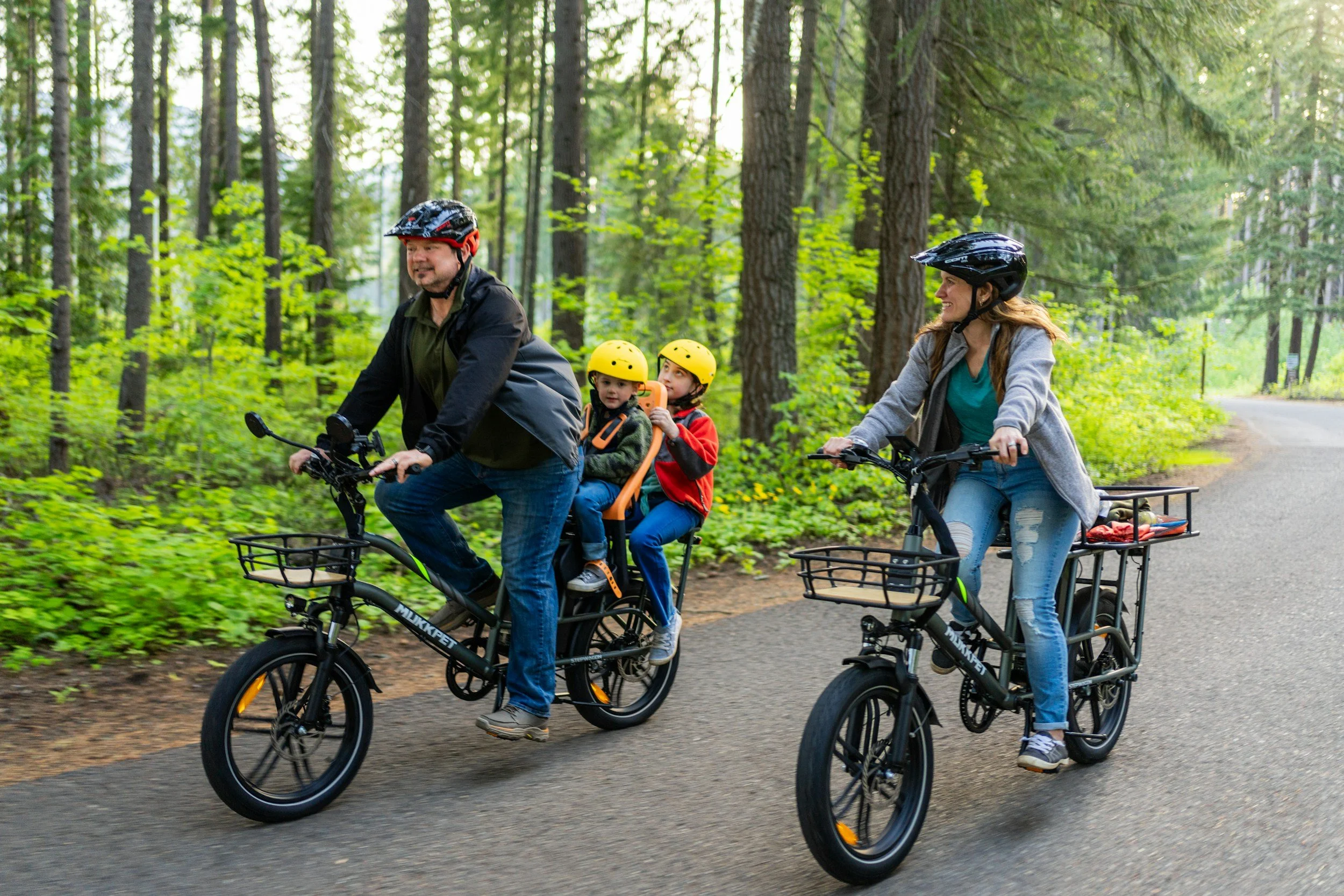
Weekend bike rides are one of the easiest ways for a dad to log family time and a workout in the same hour. Load up the trailer, strap on the kids' helmets, and a Saturday morning turns into miles of shared laughs, wobbly first attempts at balance, and the kind of unstructured outdoor time that keeps showing up in research about healthy child development. Most dads who ride with their families think hard about the mechanical side of safety: helmet fit, tire pressure, reflective gear, and route selection. Far fewer think about what happens legally if a driver hits their family mid-ride, and that gap in preparation can cost a family real money and peace of mind when it matters most.
Washington Gives Cyclists Full Rights to the Road
Say you're riding through Richland on a Saturday morning, your daughter pedaling just ahead of you in the bike lane, when a driver swings a car door open without checking for oncoming traffic first. What happens legally in the minutes, weeks, and months that follow depends less on common sense than most parents assume, and understanding how a bicycle accident claim gets built matters long before an insurance adjuster ever calls.
Washington law treats cyclists as full participants in traffic, not guests who happen to be sharing the road. A cyclist riding lawfully in a lane, whether commuting solo or trailing a child on a tag-along bike, has the same legal standing as a driver. That distinction surprises a lot of parents, who assume that riding near cars automatically puts a family at some kind of legal disadvantage if something goes wrong. It doesn't. The driver who fails to check a blind spot, passes too closely, or opens a door into a bike lane is the one who has broken a specific rule, and that rule violation becomes the starting point for establishing fault.
Insurers know most riders don't know this. That's exactly why claims adjusters lean on vague arguments about cycling being inherently risky rather than pointing to a specific traffic violation the driver committed. A parent who understands the legal baseline going in is far less likely to accept a lowball settlement built on that kind of vague framing, and far more likely to recognize when a fault argument doesn't hold up.
The Injuries Kids and Parents Don't Always Feel Right Away
A bicycle crash rarely produces just one impact. There's the initial contact with the vehicle, then a second impact with the pavement, and the combination can mask how serious an injury actually is in the adrenaline-soaked minutes after a crash. Road rash looks dramatic and heals visibly, which paradoxically makes it easy to focus on while more serious injuries go unnoticed underneath the obvious ones. Concussions in particular don't always announce themselves with a direct blow to the head; a hard fall or sudden stop can jostle the brain enough to cause real damage without leaving any visible mark at all. Parents checking on their child right after a crash are often reassured by the absence of blood or a visibly broken bone, when the injury that matters most hasn't shown itself yet.
The same delayed pattern shows up in adults riding alongside their kids, and it's worth understanding how injury symptoms hide after a crash before assuming everyone walked away fine. Stiffness that shows up two days later, a headache that lingers longer than it should, or a subtle change in mood or focus are all worth paying attention to, not brushing off as post-adrenaline fatigue.
That delay matters for more than medical reasons. Waiting too long to get evaluated can also weaken a family's ability to connect an injury to the crash later, which is exactly the kind of gap insurers look for when arguing that an injury either wasn't serious or wasn't related to the incident at all.
What the Data Says About Family Rides Near Traffic
Bicycle safety isn't an abstract concern dreamed up to scare parents off their bikes. Bicyclist fatalities and injuries have trended upward nationally for over a decade, and the National Highway Traffic Safety Administration tracks the patterns behind those crashes to guide safety education for both drivers and cyclists. Washington runs its own version of that tracking through the state's own pedestrian and bicyclist crash data, compiled annually across every county in the state. The numbers reinforce something most riding parents already sense intuitively: intersections, driveways, and low-visibility conditions are where family rides go wrong most often, not open stretches of quiet road.
None of this is meant to talk a family out of riding together. It's meant to sharpen where attention goes. Route choice, lighting, and predictable positioning in the lane all reduce risk substantially, and knowing which situations carry the highest statistical risk helps a parent make smarter calls about when and where a family ride actually happens.
Building a Family Safety Plan That Covers More Than the Ride Itself
Most dads already think in terms of contingency plans. Car seats get installed correctly, helmets get checked before every ride, and emergency contacts get saved into a phone before a hike. Legal preparedness deserves the same treatment, even though it's easy to overlook until a crash actually happens. Some families only start researching why choosing the right lawyer matters after a serious collision leaves them scrambling, and by then, evidence that could have supported a stronger claim has often already disappeared.
The same urgency applies to bicycle crashes. Traffic camera footage typically gets overwritten within days, and the bicycle itself, which can hold real clues about impact force and direction, often gets repaired or tossed before anyone thinks to document it. Families who understand this timeline tend to move faster and more effectively when something does go wrong, instead of losing valuable time figuring out where to even start.
A family bike ride shouldn't come with a mental checklist of legal contingencies hanging over it. But a few minutes spent understanding how Washington law protects cyclists, what insurers typically get wrong, and how quickly evidence disappears after a crash can make a real difference if a good ride ever turns into a bad one. That kind of preparation doesn't take anything away from the ride itself. It just means a dad can focus on keeping his kid's training wheels steady instead of guessing what to do if a driver doesn't see them coming.
