
How Dads Can Encourage Healthy Gaming Habits Without Giving Up Family Time

Modern parenting often involves finding the right balance between embracing technology and maintaining healthy family routines. Video games have become a popular pastime for children, teenagers, and even many adults, making them a regular part of life in countless households. Instead of viewing gaming as something to avoid altogether, many parents are discovering that it can become a positive activity when supported by clear boundaries and open communication.
Games today offer much more than simple entertainment. Many encourage teamwork, strategic thinking, problem-solving, and creativity, while online communities allow players to connect with friends across different locations. Like any hobby, gaming provides the greatest benefits when it fits into a balanced lifestyle that also includes physical activity, quality sleep, healthy eating, and meaningful family interactions.
As parents become more familiar with the digital world their children enjoy, they often research trusted gaming resources, communities, and entertainment platforms before exploring them. Informational websites that discuss services such as Visit Space Hills reflect this growing habit of learning more about online gaming experiences before participating. Taking time to understand the platforms children may encounter creates opportunities for better conversations about responsible technology use.
Understanding Why Games Appeal to Children
Video games capture attention because they offer clear goals, instant feedback, and a sense of achievement. Whether solving puzzles, building virtual worlds, or competing in multiplayer matches, players enjoy seeing their skills improve over time. These experiences can build confidence when gaming remains one part of a varied daily routine.
Parents who show genuine curiosity about the games their children enjoy often find it easier to discuss healthy habits. Asking questions about favorite characters, game objectives, or recent accomplishments encourages conversation instead of conflict.
Building a Healthy Daily Routine
One of the most effective ways to manage screen time is by creating a predictable family schedule. Children respond well to routines that balance school responsibilities, recreation, exercise, and rest. Rather than focusing only on time limits, parents can emphasize completing priorities before recreational screen time begins.
Outdoor play, family meals, homework, and bedtime routines should remain consistent regardless of gaming interests. When expectations are clear, children are less likely to view limits as punishments and more likely to see them as part of everyday family life.
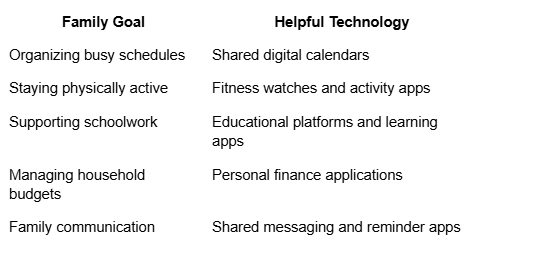
Technology Can Support Positive Family Habits
Digital tools extend far beyond entertainment. Families regularly rely on technology to organize schedules, monitor health goals, communicate, and learn new skills.
The Importance of Playing Together
Parents do not need to become expert gamers to connect with their children. Occasionally joining a game provides insight into what makes it enjoyable while creating opportunities for shared experiences. Cooperative games, racing titles, and family-friendly adventures can encourage teamwork and laughter across generations.
Playing together also gives parents a natural opportunity to model good sportsmanship. Demonstrating patience, respect, and positive communication teaches valuable lessons that extend beyond gaming itself.
Encouraging Physical Activity Every Day
Healthy families recognize that screen time and physical movement should complement one another rather than compete. Daily exercise supports better concentration, stronger mental well-being, and improved sleep, making it an essential part of children's development.
Simple activities such as bike rides, neighborhood walks, backyard games, or weekend hikes provide opportunities to recharge away from screens. Parents who participate alongside their children reinforce the idea that active lifestyles are enjoyable rather than obligatory.
Even small outdoor traditions can make a lasting difference. An evening walk after dinner or a Saturday morning visit to a local park helps establish routines that children often carry into adulthood.
Teaching Responsible Online Behavior
As children spend more time online, digital citizenship becomes increasingly important. Parents should encourage respectful communication, explain the importance of protecting personal information, and discuss how to recognize trustworthy websites and safe online interactions.
These conversations work best when they happen regularly instead of only after problems arise. Creating an environment where children feel comfortable asking questions allows parents to provide guidance without creating unnecessary fear about technology.
Setting a positive example also matters. Children notice how adults use phones, computers, and social media, making parental behavior one of the strongest influences on their own digital habits.
Supporting Mental Well-Being Through Balance
Technology can entertain, educate, and connect people, but everyone benefits from occasional breaks. Families who schedule time for reading, cooking together, outdoor recreation, or simply talking without devices often experience stronger relationships and lower stress levels.
Parents should also pay attention to signs that children may need additional support, such as declining sleep quality, irritability, or reduced interest in offline activities. Adjusting routines early helps maintain a healthy relationship with technology before unhealthy patterns develop.
Helping children build balanced habits is an ongoing process rather than a one-time conversation. With consistent guidance, realistic expectations, and plenty of shared family experiences, gaming can remain an enjoyable hobby alongside physical activity, learning, and meaningful time together. By combining healthy routines with open communication, parents create an environment where technology enhances family life instead of overwhelming it.
