
Raising Tech-Savvy Kids While Maintaining Healthy Digital Habits at Home

Parenting has never been more connected than it is today. From educational apps and virtual classrooms to smart home devices and online communities, technology has become part of everyday family life. For modern parents, especially busy dads balancing work and family responsibilities, the challenge is no longer whether children should use technology, but how to encourage healthy and responsible digital habits.
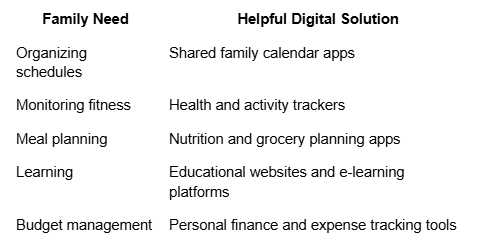
Technology offers incredible opportunities for learning, creativity, and communication when used thoughtfully. Children can develop problem-solving skills, explore educational resources, and connect with friends and family regardless of distance. At the same time, parents benefit from digital tools that simplify scheduling, budgeting, health tracking, and household management, creating more quality time together.
As families become increasingly comfortable with digital platforms, many adults also spend time researching emerging online services across business and technology sectors. Informational resources covering platforms like Official ShakeBet highlight how consumers often compare features, usability, and online experiences before engaging with new digital products. Developing this habit of careful research is a valuable digital skill that parents can model for their children.
Teaching Digital Responsibility Starts at Home
Children learn by observing the adults around them. When parents demonstrate balanced technology use, children are more likely to develop similar habits. Setting aside phones during meals, limiting unnecessary screen time, and prioritizing face-to-face conversations all reinforce the importance of healthy boundaries.
Rather than treating technology as something negative, families can present it as a useful tool that should be used with purpose. This mindset helps children understand that digital devices support learning and productivity without becoming constant distractions.
Creating a Family Technology Routine
Consistency helps children know what to expect. Establishing simple household routines encourages balance between online and offline activities while reducing daily conflicts about screen time.
A family routine might include designated periods for homework, outdoor play, entertainment, and device-free family interactions. The specific schedule will vary from one household to another, but maintaining predictable expectations often leads to healthier long-term habits.
Everyday Technology That Supports Family Life
Encouraging Outdoor Activities Alongside Technology
Healthy living involves balancing digital convenience with physical activity. Families who regularly spend time outdoors often experience improvements in both physical health and emotional well-being. Simple activities such as walking, cycling, visiting local parks, or playing sports encourage movement while strengthening family relationships.
Technology can even support these experiences. Navigation apps help families discover new hiking trails, weather forecasts assist with planning outdoor adventures, and fitness trackers motivate everyone to stay active. In this way, digital tools become companions to healthy living rather than replacements for it.
Helping Children Develop Critical Thinking Online
The internet provides access to an enormous amount of information, but not every source is equally reliable. Teaching children how to evaluate websites, compare information, and recognize trustworthy sources is one of the most valuable digital skills they can develop.
Parents can encourage thoughtful online behavior by asking questions together, discussing how websites work, and demonstrating how to verify information before accepting it as accurate. These conversations build confidence while helping children become responsible digital citizens.
Supporting Mental Well-Being in a Connected World
Constant notifications and endless online content can sometimes contribute to stress and distraction for both adults and children. Creating opportunities to disconnect allows families to recharge and focus on real-world relationships.
Simple habits such as device-free dinners, evening walks, reading together, or enjoying shared hobbies provide valuable opportunities for conversation and relaxation. These moments strengthen family bonds while reducing dependence on screens for entertainment.
Parents should also remember that balance looks different for every family. Flexibility and open communication are often more effective than rigid rules, especially as children grow older and their responsibilities change.
Technology Continues to Shape the Future of Parenting
Innovation will continue influencing education, healthcare, communication, and family life for years to come. New tools will undoubtedly offer additional convenience, but the principles of responsible parenting remain unchanged. Children benefit most when technology supports learning, creativity, and healthy relationships rather than replacing them.
By approaching digital life with curiosity, balance, and thoughtful decision-making, families can confidently embrace new technologies while maintaining the values that matter most. Combining healthy routines, open communication, and responsible technology use creates an environment where both parents and children can thrive in an increasingly connected world.
