
How to Build a Pollinator Garden With Kids
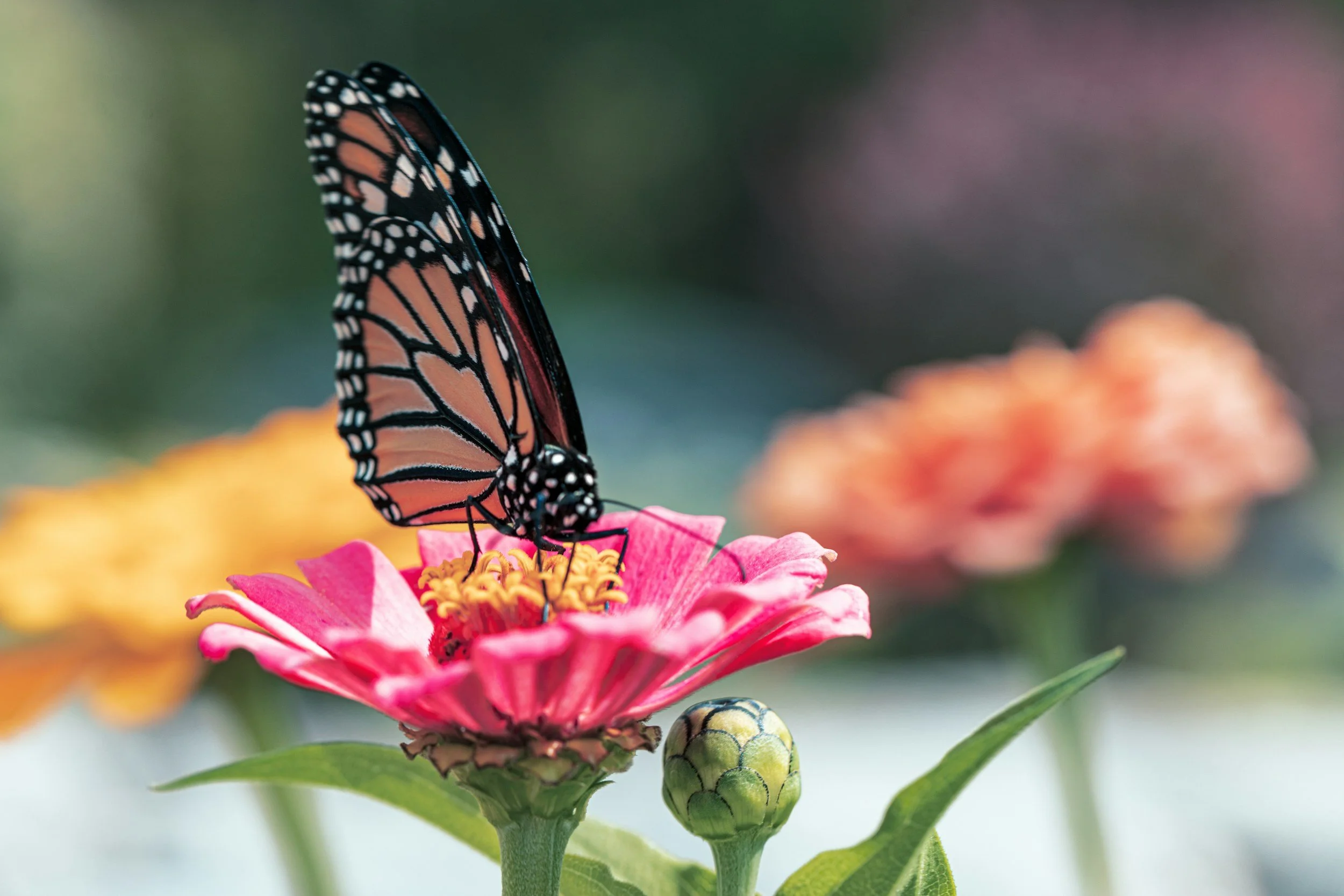
Gardening gives children a reason to slow down, look closely, and notice changes that are easy to miss during a busy week. A flower that was closed yesterday may attract several bees today. A caterpillar may appear on a leaf, disappear for a while, and later return as a butterfly. These small observations make a backyard garden a useful place for learning, movement, and family time.
A pollinator garden does not need to cover a large area. A sunny corner of the yard, a narrow border, or several containers can provide pollen, nectar, and shelter for bees, butterflies, moths, beetles, and other beneficial insects. The key is to choose the right plants and keep something flowering throughout the growing season.
Start With a Small, Manageable Space
Children are more likely to stay involved when the first project feels achievable. Begin with one garden bed or three to five large containers rather than redesigning the entire yard. Most flowering pollinator plants perform best with at least six hours of direct sunlight, although some native plants tolerate partial shade.
Before buying anything, spend a day observing the area with your children. Note how long it receives sunlight, whether water collects after rain, and how close it is to a hose or outdoor faucet. Let the kids sketch the space and mark where they want taller and shorter plants. This gives them a meaningful role before the digging begins.
Plan Flowers for the Full Growing Season
A garden that looks colorful in June may offer little food to pollinators in April or September. The U.S. Forest Service recommends using a variety of plants that flower from early spring through late fall. A simple approach is to select at least three plant species for spring, three for summer, and three for late summer or fall.
Early flowers help bees that emerge when food is still limited. Summer plants support peak pollinator activity, while late blooming flowers provide energy as insects prepare for winter or migration. When choosing pollinator plants that bloom all season, check each plant’s bloom period, mature size, sunlight needs, soil preferences, and recommended growing zones.
Native plants are often a practical starting point because they are adapted to local conditions and have established relationships with regional insects. Options vary by location, but asters, goldenrod, coneflowers, bee balm, milkweed, black eyed Susans, and native sunflowers can all have a place in a well planned pollinator garden. A local cooperative extension office can help identify species that are appropriate for your region.
Include Different Flower Shapes and Colors
Pollinators do not all feed in the same way. Butterflies often land on broad, flat flower clusters, while hummingbirds can reach nectar inside long tubular flowers. Bees also vary considerably in body size and tongue length. Planting several flower shapes and colors makes the garden useful to more species.
Group several plants of the same species together rather than scattering single plants throughout the bed. Larger clusters are easier for pollinators to locate and allow them to collect food efficiently. Children can help arrange plant labels, count how many flowers of each color are open, and track which insects visit each group.
Give Children Real Gardening Jobs
Young children can scoop soil, place plant markers, fill watering cans, and look for new blooms. Older children can measure spacing, read plant tags, remove weeds, record rainfall, and research unfamiliar insects. Assigning specific responsibilities makes participation more consistent than simply asking children to help.
Keep the work sessions short, especially at the beginning. Fifteen focused minutes of watering and observation may be more enjoyable than an hour of weeding. A simple garden journal can include the date, weather, flowers in bloom, insects observed, and a drawing or photo. Over time, children can see how the garden changes and learn that healthy growth often requires patience.
Reduce Pesticide Exposure
Pesticides used against unwanted insects can also harm bees and other pollinators. The U.S. Department of Agriculture recommends minimizing pesticide use, particularly while plants are flowering. Start with basic prevention by choosing healthy plants, providing the correct amount of light and water, removing diseased material, and checking leaves regularly.
If a pest appears, identify it before treating the garden. Many insects found near plants are harmless or beneficial. When treatment is necessary, follow the product label exactly and choose the least harmful targeted option available. Keep children away during application and for the full period stated on the label.
Leave Some Habitat in Place
Flowers provide food, but pollinators also need water, shelter, and nesting areas. A shallow dish filled with pebbles and fresh water can offer a safe drinking spot if it is cleaned regularly. Small areas of bare, well-drained soil may support ground nesting bees. Hollow stems, leaf litter, and pieces of dead wood can provide shelter for other insects.
A perfectly cleared garden is not always the most useful habitat. In the fall, consider leaving some stems and seed heads standing until spring. They can offer winter shelter while also giving children another reason to observe the garden during colder months.
Make Observation Part of the Routine
Once the garden is established, choose a regular time each week to visit it together. Count butterflies for five minutes, photograph the same plant, or look for the first flower of a new season. Children should observe bees calmly without touching or swatting at them. Shoes are also helpful in areas where bees may visit low flowers.
The garden will not look the same every week, and that is part of its value. Children get to see how weather, seasons, plant growth, and animal behavior connect. With a modest amount of space and consistent care, a family pollinator garden can become an ongoing project that supports local wildlife and gives everyone a little more time outside together.
