
Why a Wellness Retreat Can Help Busy Dads Reset and Recharge
Many dads know the feeling that arrives late in the week. It isn't simple tiredness. It's the low hum of decision fatigue after days of deadlines, drop-offs, packed lunches, and a mental checklist that never fully clears.
Recent reporting from the U.S. Department of Health and Human Services found that parents were more likely than other adults to report high or overwhelming stress. The U.S. Surgeon General has framed parental well-being as a public health issue rather than a personal failing.
A short, structured retreat won't fix a demanding season of life. It can, however, give you a few days to practice healthy basics under easier conditions and identify which ones you can carry home. That transfer is the real point.
What a Wellness Retreat Actually Means for Parents
The Global Wellness Institute distinguishes wellness tourism, meaning travel that supports healthy habits and rest, from medical tourism, where the trip is intended for treatment. That distinction matters. A retreat is a hospitality experience with structure, not a clinical program.
Most adult retreats share a familiar set of activities: guided movement such as yoga or walking, mindfulness or breathing sessions, whole-food meals, time outdoors, and a schedule that encourages earlier nights. Many also limit phone use in shared spaces.
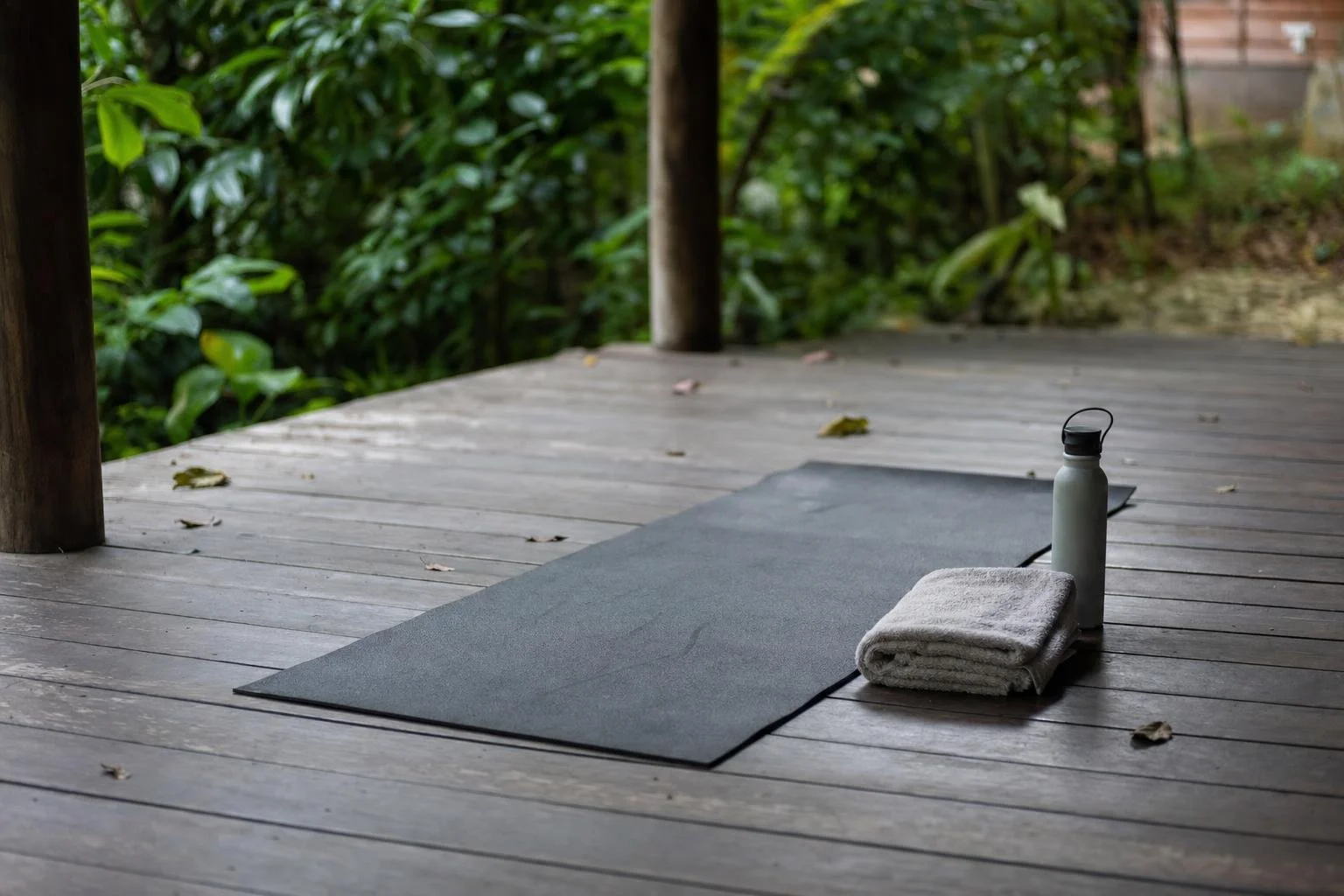
Length varies. Billabong Retreat, an Australian example, offers formats ranging from single-day visits to seven-night stays. Two or three nights may be enough for a first retreat, especially when work and caregiving make a longer trip difficult.
Why the Basic Retreat Habits Can Help
Sleep gets room to improve
Retreat schedules tend to encourage what many people skip at home: consistent bedtimes, regular wake times, and evenings without screens. A 2025 JAMA Network Open study linked screen use within an hour of bedtime to poorer sleep quality and shorter sleep duration in adults. The American Academy of Sleep Medicine advises turning off electronics 30 to 60 minutes before bed.
Outdoor time becomes easier
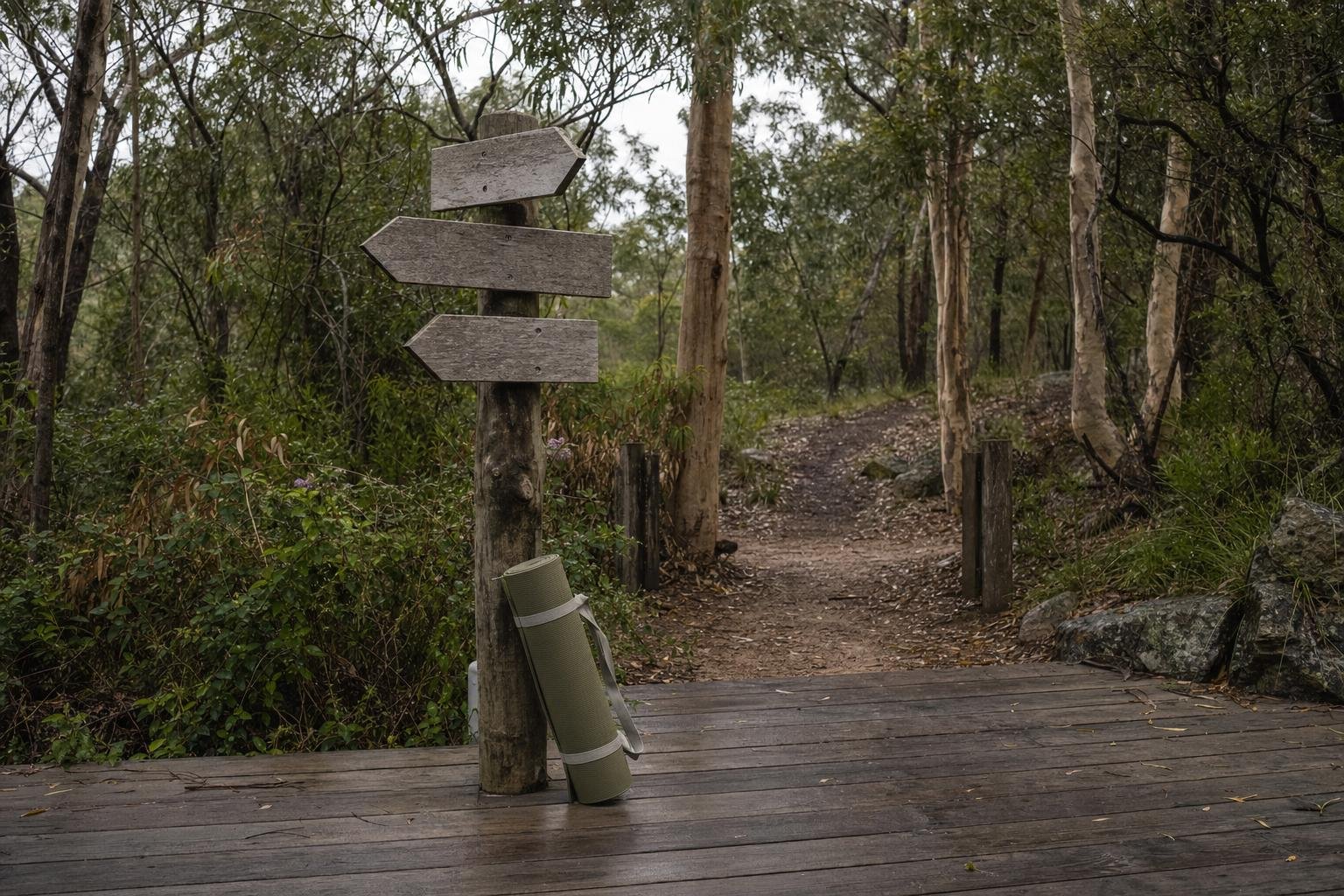
Retreats are often set in bushland, forests, or coastal areas, making outdoor time part of the day rather than another task to schedule. Research on short periods in nature suggests modest benefits for mood and perceived stress. The practical advantage is that a short outdoor walk is also one of the easiest retreat habits to repeat at home.
Mindfulness becomes a practical skill
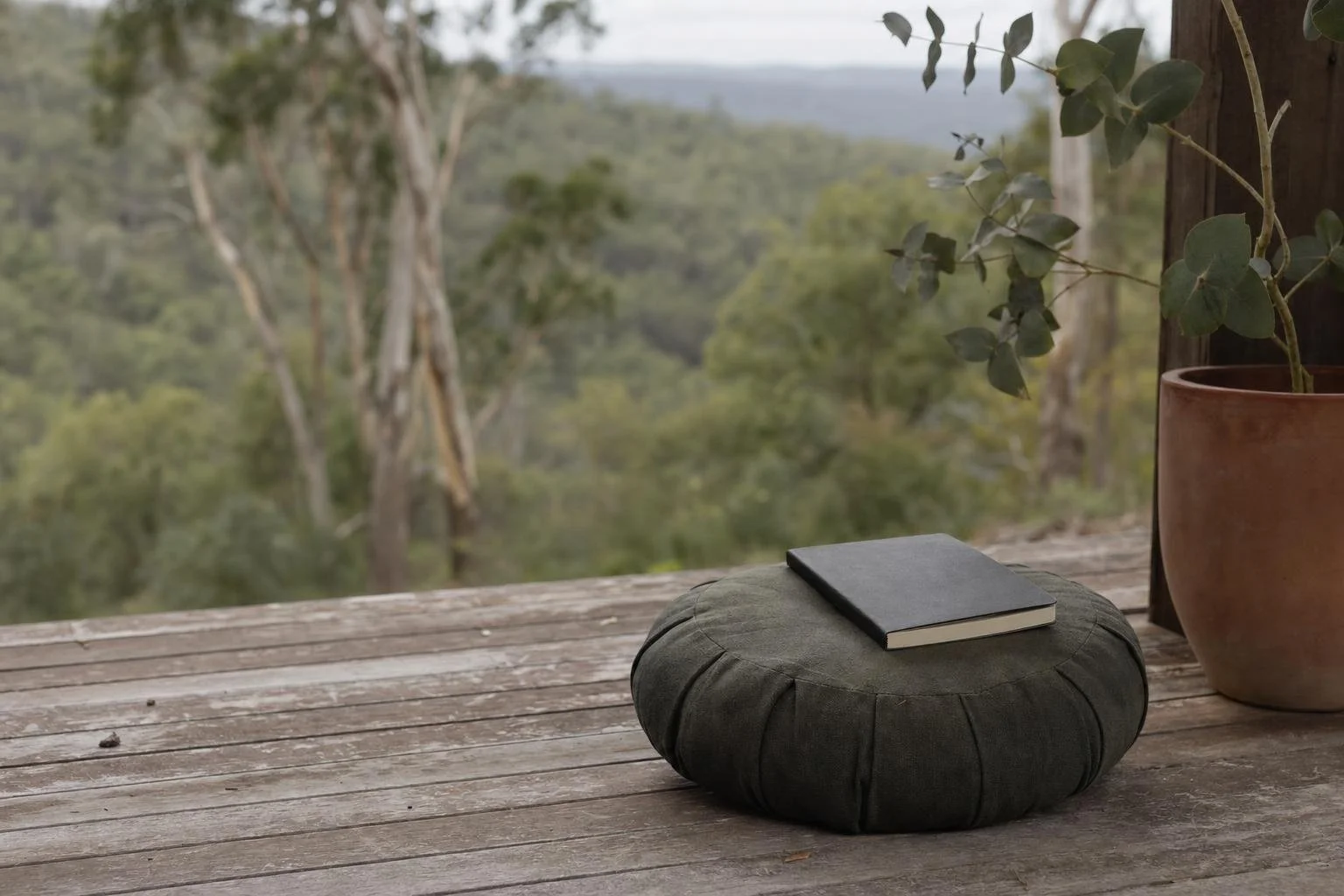
Structured mindfulness sessions offer a repeatable method instead of a vague instruction to relax. They may teach you to focus on your breathing, notice physical tension, or pause before reacting. The social side can help too. Spending time with other adults who are also trying to slow down may reduce the sense that you're managing stress alone.
Daily logistics temporarily step aside
The hardest part of taking a break is often stopping the background processing: calendars, school emails, work messages, and group chats. A retreat reduces these triggers by design. A device-light weekend gives you a low-pressure setting in which to practice setting boundaries around your attention.
How to Choose a Retreat That Fits Real Life
Duration. Two or three nights is a realistic first attempt. Consider a longer stay after you know the format suits you.
Travel time. If possible, keep door-to-door travel to three to five hours. Spending a full day in transit can reduce the time available for rest.
Format. Solo, couples, men's group, and family-friendly options all exist. Check the guest policy carefully because many adult retreats don't accept children.
Focus. Some retreats emphasize yoga and movement, while others focus on mindfulness, nature, spa treatments, or physical recovery. Choose based on what you need, not the longest activity list.
Phone policy. Ask before booking. Billabong Retreat, for example, doesn't provide Wi-Fi and asks guests not to use devices in public areas. You should know about restrictions like these before you arrive.
Food. Confirm which meals are included, how allergies are handled, and whether caffeine or alcohol is available.
Schedule flexibility. Optional classes suit guests who want time for naps and quiet. Fixed timetables may work better for people who prefer structure.
Comfort and access. Check room types, bathroom arrangements, quiet areas, facility access, and support for mobility or other access needs.
Fine print. Review cancellation terms, extra costs for treatments or private sessions, and the level of health support available on site.
Make It Stick With a Two-Week Plan
Retreat effects can fade without maintenance. Treat the trip as a trial run, then choose a short list of habits to practice for two weeks after you return.
Set a consistent bedtime and put phones away 30 to 60 minutes beforehand.
Spend 10 to 20 minutes outdoors three to five times a week. A walk after dinner counts.
Complete one short movement session each day. Fifteen minutes of mobility work or brisk walking is more useful than an ambitious plan you abandon.
Try a 10-minute breathing or body-scan practice at roughly the same time each day.
Use Sunday to outline meals, review the family calendar, and confirm the week's bedtimes with your partner or co-parent.
Two Sample Weekend Outlines
Solo reset
Arrive on Friday afternoon, join a gentle movement class, eat an early dinner, and leave your phone in the room. On Saturday, combine morning movement with a long walk, an optional workshop, and a free afternoon for a nap or swim. Finish with guided meditation and an early night. Before leaving on Sunday, write down two or three habits you want to continue at home.
Couples reconnection
Follow a similar rhythm with shared classes and device-light meals. Leave one unstructured block on Saturday for a walk and conversation without an agenda. Use Sunday planning time together so you leave with one shared routine rather than two separate plans.
Where a Retreat Fits Your Budget and Calendar
Prices vary by region, length, room type, and inclusions, so compare the full package rather than the headline price. Check whether accommodation, meals, classes, and facility access are included before adding optional treatments.
Plan household and caregiving coverage early. Time away is less restorative if it creates a backlog for you or shifts an unreasonable amount of work to your partner. Agree on essential tasks, emergency contact rules, and a realistic return schedule before you leave.
A Sydney Example for Local Dads and Visitors
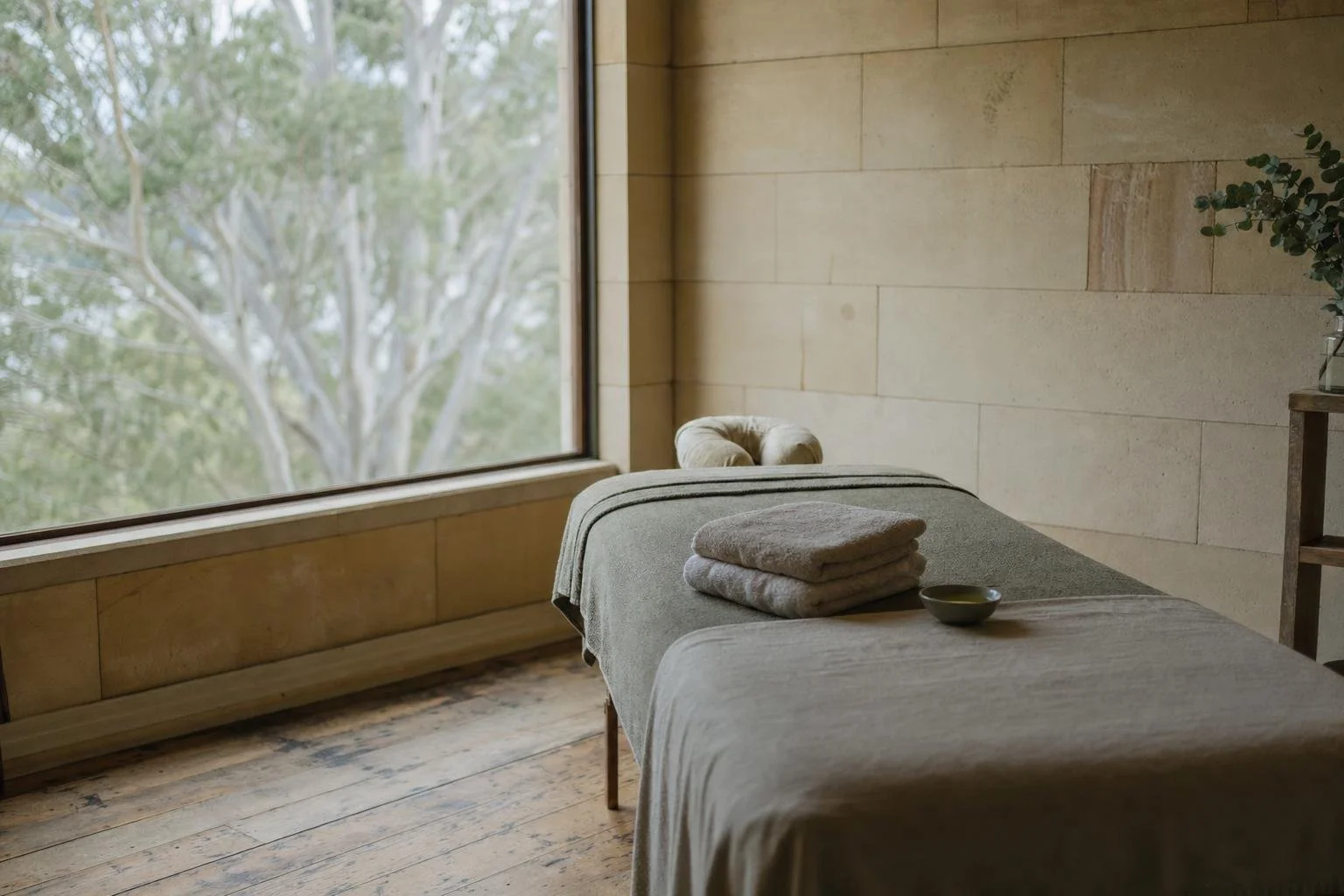
If you're based in Sydney or visiting New South Wales, a wellness retreat such as Billabong Retreat offers a concrete example of the format. Its programs combine device-light time in a bushland setting with yoga, meditation, whole-food meals, workshops, and optional spa treatments. Day visits and overnight stays provide options for dads who can't fit a long trip into the family calendar.
What a Retreat Cannot Do
A retreat isn't therapy or medical care. If sleep problems persist, your mood has been low for weeks, or alcohol or other substances have become a regular way to cope, talk to a qualified clinician. A weekend of nutritious food, movement, and early nights may complement appropriate care, but it can't replace it.
A retreat also won't fix a workload or household arrangement that is genuinely unsustainable. Those issues require practical changes and honest conversations at home. A few nights of better sleep may simply give you more space to think clearly about what needs to change.
Key Takeaway
A short, structured break can help a busy dad reset by reducing the friction around sleep, movement, quiet, and outdoor time. Its value depends on bringing a few realistic habits home and maintaining them. Choose a manageable trip, keep your follow-up plan short, and judge the experience by how your ordinary week feels a month later.
