
How to Choose a Preschool or Daycare That Fits Your Family
Choosing where your child spends their weekdays is one of the tougher decisions a parent makes, and it rarely has one clear right answer. Costs are high, openings can disappear quickly, and every family has different needs.
A May 13, 2026 press release from Child Care Aware of America put the 2025 national average annual child care price at $13,184 and noted that care for two children can exceed a family's housing costs. The goal is not to find a perfect program. It is to find a safe, warm, practical fit for your child, your schedule, and your budget.
Key Takeaways
Start with your non-negotiables. Map hours, commute, and budget before you tour, so you compare programs against real life.
Verify safety online first. Federal rules require states to post monitoring and inspection reports for licensed providers, and ChildCare.gov links to each state's database.
Ratios and stability matter. NAEYC lists a preschool best-practice target of 1 teacher for 10 children, with a group size cap of 20. Infants and toddlers need smaller groups.
Program labels need follow-up. Terms like Montessori are not legally protected, so ask about teacher training, classroom practice, and accreditation.
Fit beats prestige. Match the setting to your child's temperament, your family's schedule, and any developmental needs.
Define your must-haves before you search
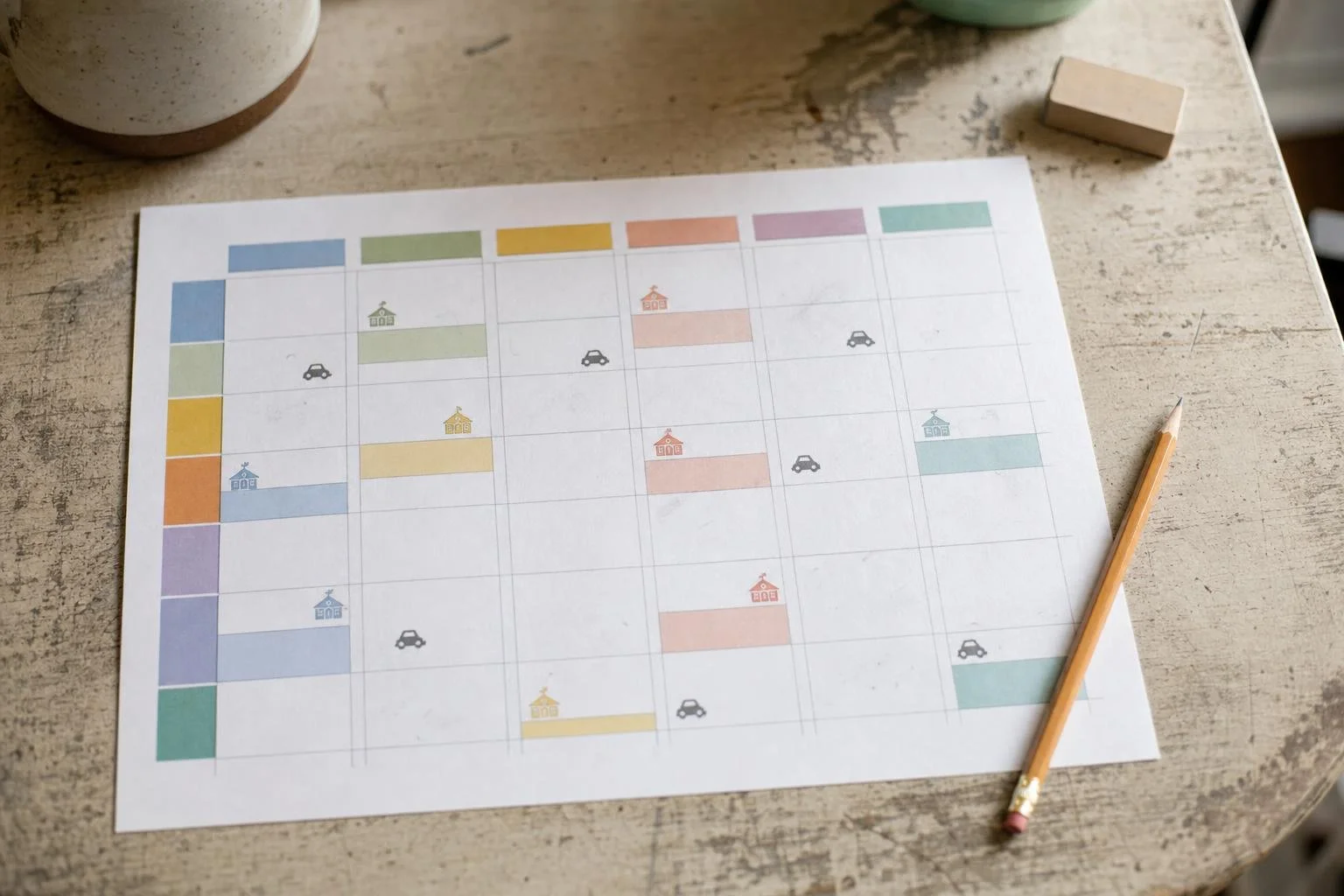
Start with logistics because they remove options quickly. Map your drop-off and pick-up windows against work hours and commute time, then add a buffer for traffic, weather, and slow mornings. A program may have the philosophy you like, but if the hours do not work, it will create stress within weeks.
Set a realistic budget next. Look into support that may lower your cost, including Child Care and Development Block Grant vouchers, Head Start or Early Head Start, and a Dependent Care Flexible Spending Account or tax credit. If you are a student parent, the Child Care Access Means Parents in School program may also be worth checking. Availability and eligibility vary, so confirm details with your state, school, or local child care resource agency.
Understand the main program types
Child care usually falls into two broad categories: center-based programs and family child care in a provider's home. Centers tend to be larger and more structured, with multiple classrooms and age groups. Family child care is often smaller and more home-like. Families who meet income and other criteria may also qualify for Head Start or Early Head Start.
You will also see philosophy labels. Montessori classrooms often use multi-age groups and self-directed activities, but the American Montessori Society advises families to confirm teacher training and program fidelity. Reggio-inspired programs emphasize observation, documentation, creative spaces, and family participation. Waldorf early childhood programs lean on rhythm, arts, storytelling, outdoor time, and strong teacher-child relationships. Whatever the label, ask what the approach looks like on an ordinary Tuesday.
Safety and quality checks you can verify online
You can screen a lot before you call or tour. Federal rules require states to post full monitoring and inspection reports for licensed child care providers online in a timely manner, with plain-language information or a summary. ChildCare.gov notes that every state and territory conducts regular in-person inspections of licensed programs and provides links to those reports.
Use your state's database, reached through ChildCare.gov, to review a provider's licensing status, recent inspection history, violations, corrective actions, and complaints. Also confirm that staff complete required health and safety training, such as CPR, first aid, and infant safe-sleep practices. Rules vary by state, so treat national guidance as a starting point and check your local requirements.
Be extra careful with license-exempt in-home care. These providers may not have to meet the same health and safety rules as licensed programs unless they participate in subsidy programs. That does not automatically make them unsafe, but it does mean you should ask more direct questions and request references.
Ratios, group size, and staffing stability
Ratios shape how much individual attention your child receives and how calm a room feels. NAEYC's current accreditation guide lists a preschool best-practice target of 1 teacher for 10 children, with a maximum group size of 20. Younger children need closer supervision. Early Head Start standards call for two teachers with no more than eight children under 36 months, along with consistent primary caregiving assignments of one caregiver to four children.
Ask whether a program simply meets state minimums or aims for stronger ratios. Then ask how coverage works during breaks, diapering, lunch, and teacher absences. Staffing stability matters too. It is reasonable to ask about teacher turnover and how long lead teachers have been in their rooms.
Health and safety on site
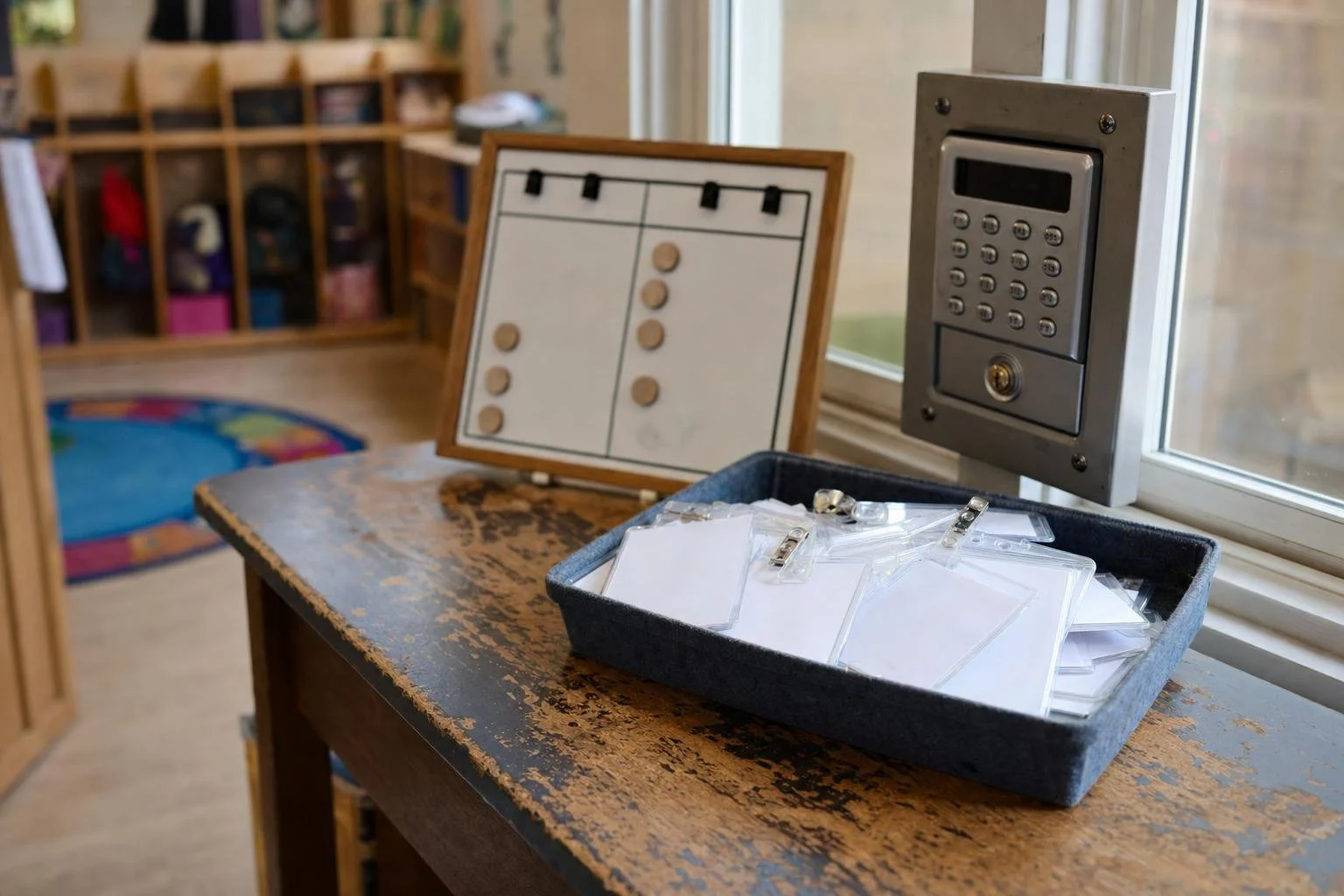
A tour tells you what reports cannot. Look for secure entry, visitor screening, and a clear process for verifying who is allowed to pick up each child. Ask about illness rules, medication storage, allergy plans, emergency drills, and safe-sleep practices for infants.
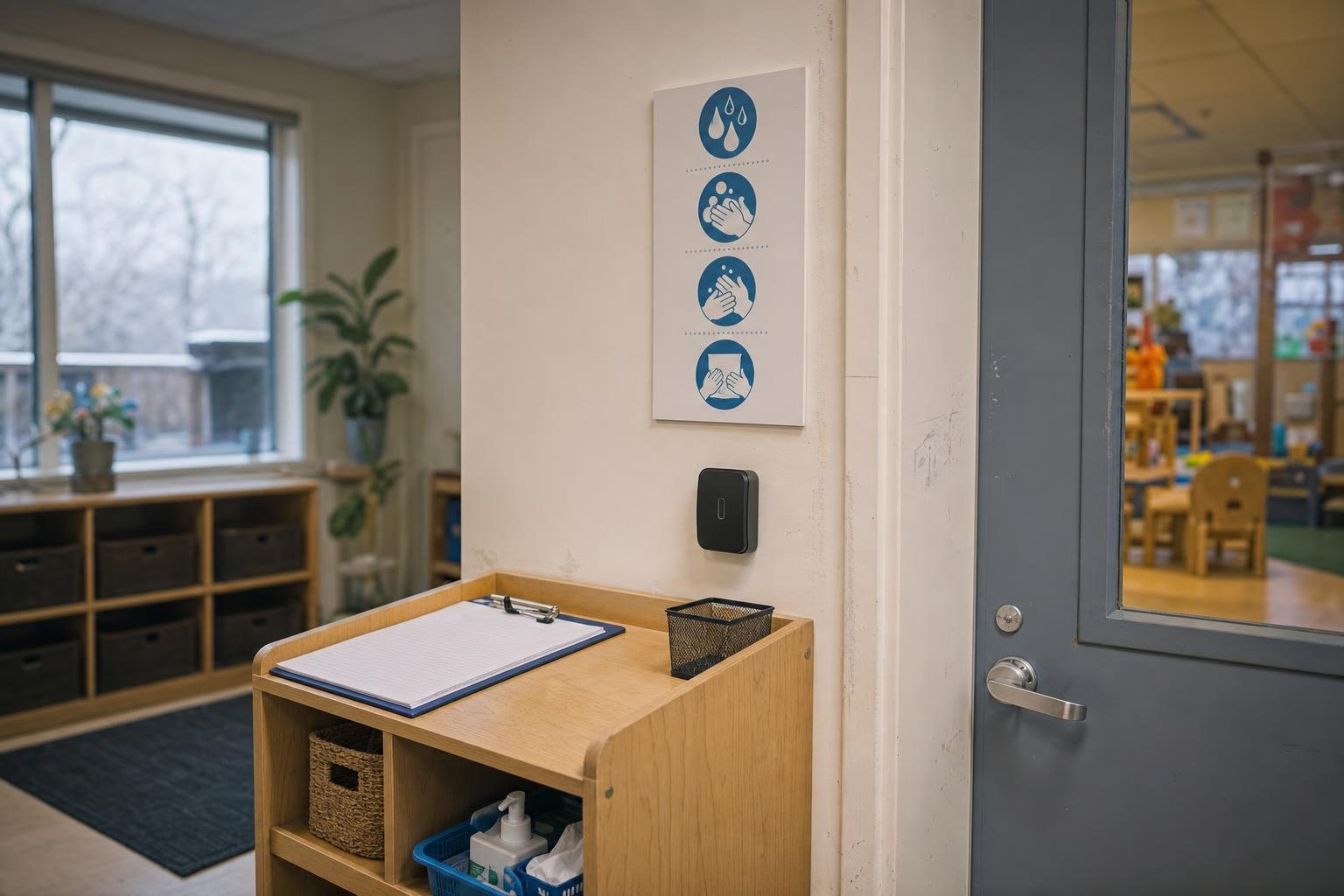
Watch the daily routines as well. Cleaning and handwashing habits do real work in child care settings. The CDC reports that teaching and enforcing handwashing can reduce diarrheal illness by about one-third and respiratory infections by about one-fifth in young children. Outside, check playground surfacing, shade, fencing, and how closely staff supervise active play.
Where to look near you
Start with your state's licensing search portal through ChildCare.gov, then call your local Child Care Resource and Referral agency for help narrowing the field. Read inspection reports before you book a tour, so you arrive with focused questions instead of starting from scratch.
Families outside the United States can use the same basic process: identify local licensing rules, check official records, then compare provider pages before visiting. In Canterbury, New Zealand, for example, families near Rolleston and Selwyn might review a local page such as the best daycare centre in Rolleston listing to compare hours, location, licensing language, and notes about 20 Hours ECE for children aged three and over. Treat any provider page as a starting point, then verify details with official sources and an in-person visit.
What developmentally appropriate looks like
You do not need a degree to recognize a healthy early childhood classroom. Look for play-based learning, a posted daily routine, short group times, hands-on materials, and regular outdoor or active play. Warm teacher-child interactions are one of the strongest signals.
Notice how staff guide behavior. Calm reminders, co-regulation, and specific praise tend to work better than sharp correction. Ask how teachers support a child's home language and what they do when a child needs extra help, including when they suggest referrals. A few quiet minutes of observation often reveal more than a brochure.
A tour script: what to ask and observe
Bring a short list so nerves do not crowd out the essentials. Useful questions and cues include:
What are your actual ratios today, and how is coverage handled during breaks and diapering?
What qualifications do teachers hold, and what is your turnover like?
How do you communicate with families, through daily notes, an app, or both?
What do nap, toileting, and mealtime routines look like?
What is your screen-use policy?
How do families get involved, and how do you support transitions and kindergarten readiness?
As you walk, notice whether children seem engaged, whether the space is clean without feeling sterile, and whether staff greet children warmly by name. Strong programs usually show their values in small daily moments, not only in polished tour language.
Fit to your child
Match the setting to your child's temperament. A quieter child may settle better in a small, home-like room, while an energetic child may thrive in a busier center with more room to move. Some children need predictable structure; others do well with longer stretches of open play.
If your child is under three, prioritize tighter ratios, consistent caregivers, and clear safe-sleep practices. If your family is multilingual, confirm that the program supports your home language rather than treating it as a problem to fix. If your child has allergies, medical needs, or developmental delays, ask for specific examples of how the program has supported similar needs. For transition planning, kindy readiness basics can help you keep practice routines realistic.
Making the final call
Once you have a shortlist of three or four programs, tour each with the same checklist. Then give yourself a night before deciding. Enroll with a transition plan, such as shorter first days, a comfort item from home, or extra pickup conversations during the first week. Check back in after a month, and if something feels off, raise it early. There is no single right program for every child. The right fit is the one that is safe, caring, workable, and responsive to your family right now.
