
How to Turn Household Clutter Into Extra Cash for Your Family
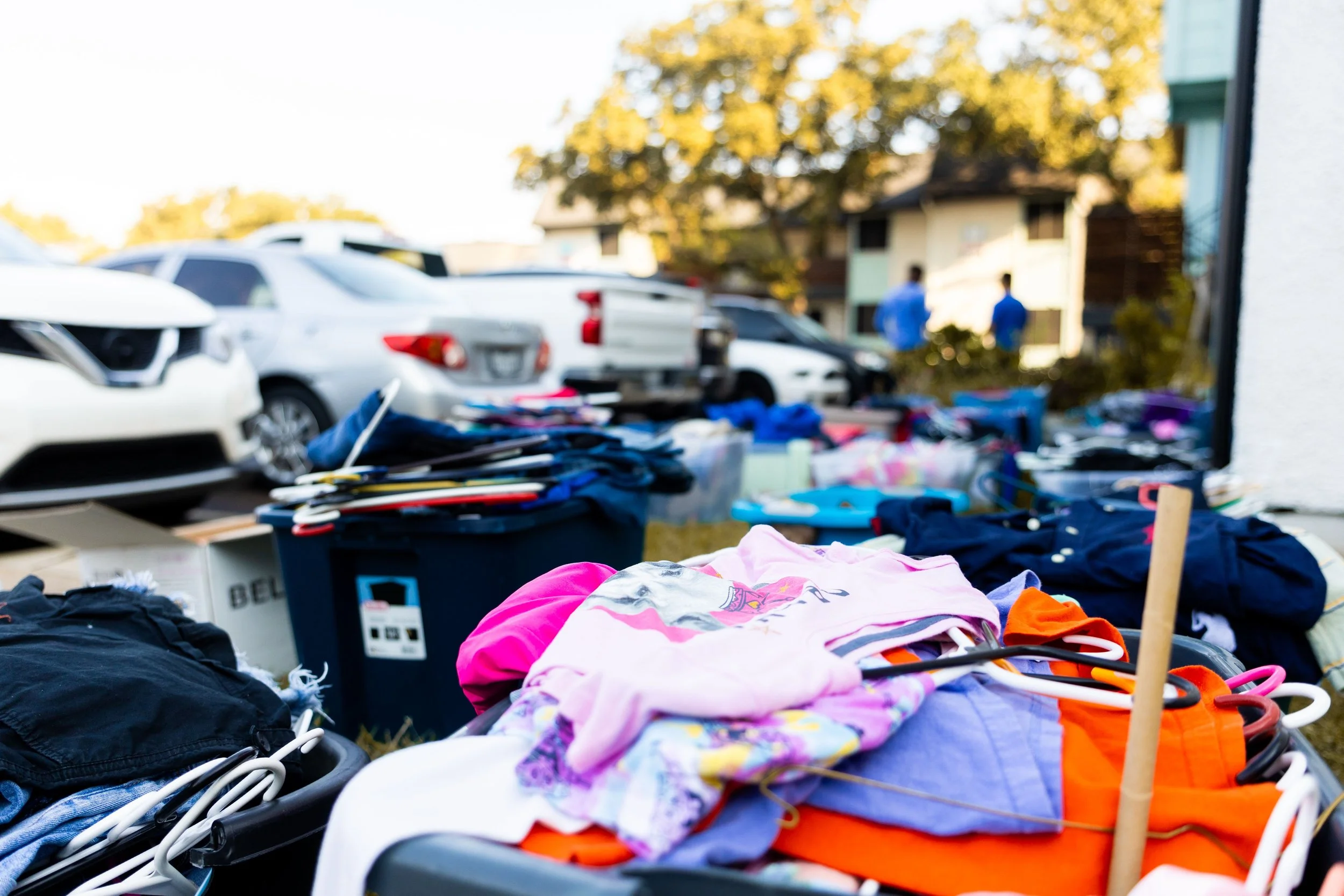
When you’re in the mood to declutter your home, don’t throw everything away. Those old dumbbells, end tables, and toys that have been taking up too much space could be profitable. While not everything will be worth trying to sell, with a little investigating, you can determine which items hold some value.
Keep reading as we explore how you can turn household clutter into extra cash for your family.
Identify Clutter First
Start by determining which items in your home are contributing to your clutter. Walk around each room and your garage or tool shed to make a list.
Be honest with yourself about how frequently you use items. Even if you spent hundreds of dollars on a stationary bike, it’s simply chewing up space if you’re not using it. Consider whether you would buy the item again, and if it’s the right time to let it go.
Ask yourself about each item’s condition, too. A coffee table may have some scuffs, but if it’s too big for your living room, someone else might be willing to refinish it. Cash will be much more useful than a bulky table that’s always in the way.
Consider Resale Value
Don’t assume that you’ll earn money from every item you’re looking to unload. Items that are past their prime or dirty might not command an audience of buyers.
But if you have children’s clothing, sports gear, yard tools, and kitchenware, these items can sell easily. Someone might be eager to buy cooking utensils to prepare food, or parents will be eager to snap up gently used clothing. Look up each item’s value to understand what a reasonable price could look like.
If you’re hosting a garage sale, you don’t need to think about shipping. But if you’re making an online listing, you’ll want to account for listing fees and shipping costs. It may just be better to donate cheaper, smaller items.
Sort Your Clutter
You may want to sell some of your clutter for cash, but other clutter may work better as a donation. When you have too many kitchen utensils or appliances, consider giving them away through a local donation shop. You can help others in your community who are trying to save money.
You can recycle electronics, as well. Avoid putting electronics in the trash, as batteries and other hazardous materials can leak in landfills. Research recycling sites in your community where you can take old televisions or computers.
Remember that repairing old, worn items isn’t always the most economical route. While it may be tempting to pay for a repair, the cost to do so could exceed the potential resale value. You may be better off trying to sell an item as is or donating it.
Evaluate Old Vehicles
If you have an aging vehicle in your driveway, you may be able to make more than you think by selling it. Cars and trucks take up a lot of space. And even if they’re decades old and showing wear, old cars still offer valuable parts.
Before selling, estimate the vehicle’s junk-car value rather than assuming that age or damage makes it worthless. Factors such as the car’s make and model, age, condition, location, usable parts, and current scrap value can influence what a buyer may offer. Understanding what your junk car earns can give you a better starting point for evaluating its remaining value and comparing cash offers from junk car buyers.
Invest in Decluttering
Sorting your clutter can help you determine which items are worth trying to sell. You’ll help clear out space in your home when you get rid of unused treadmills or furniture. And you can earn money for groceries or gas in the process.
Consider whether an item should be donated or recycled. For those items you want to sell, research prices and work to find the right buyer.
