
Is Your Food Fueling the Fire? Pro- and Anti-Inflammatory Foods Explained
"Inflammation is a normal response to injury, but chronic inflammation is linked to nearly every major "In the modern diet, inflammatory foods are rampant, but the good news is that nature has provided us with powerful anti-inflammatory foods to counteract this imbalance."
—Dr. Mark Hyman
Inflammation may be the single most common symptom linking every patient I see in the clinic, and it’s not just a temporary response to injury; chronic inflammation can be a silent driver of many long-term health issues. From heart disease and autoimmune disorders to mood imbalances and even chronic pain, inflammation plays a central role in nearly every condition I encounter. Even more subtle symptoms like fatigue, brain fog, inattention, joint pain, digestive issues, and skin rashes are often manifestations of underlying inflammation.
What’s often overlooked is the profound impact that diet has on this process. The foods we choose can either stoke the flames of inflammation or help put out the fire, making it essential to understand which foods fuel or fight this internal battle.
What Is Inflammation and Why Does It Matter?
Inflammation is part of your body's immune response. When tissues are damaged or under threat, the body releases inflammatory chemicals to protect and repair the area. Acute inflammation is helpful and necessary—it helps you heal from cuts or infections.
When inflammation becomes chronic, however, it can start attacking the body’s own tissues, contributing to a range of health problems like heart disease, arthritis, diabetes, and even cancer. What you eat plays a pivotal role in either promoting or reducing this long-term inflammation.
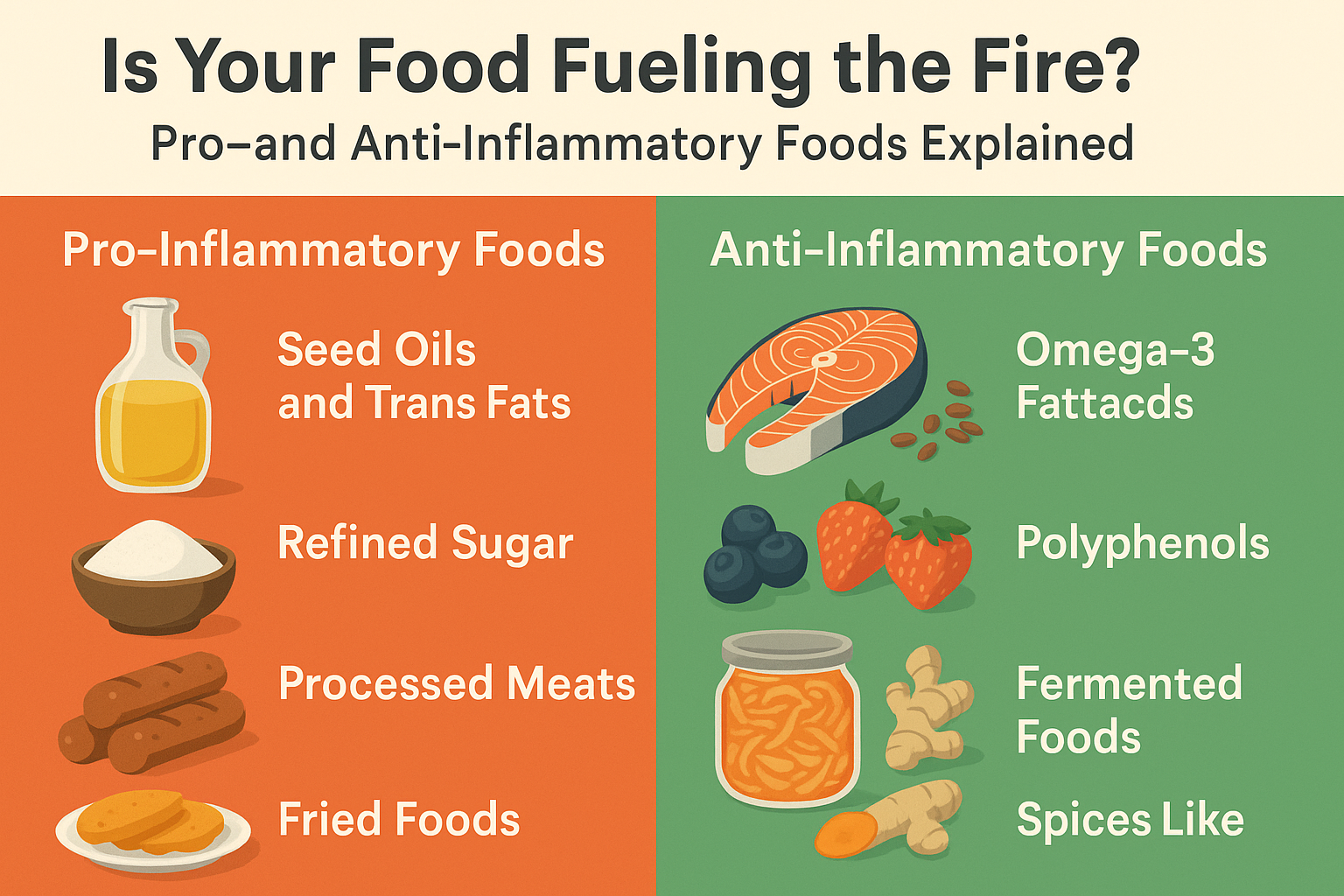
Pro-Inflammatory Foods: The Culprits to Watch Out For
Some foods are known to increase inflammation in the body, potentially making it harder for your immune system to function optimally. These foods typically include highly processed items and those rich in unhealthy fats and sugars. Here are the main offenders:
1. Seed Oils and Trans Fats
The "Hateful Eight" oils are a group of highly processed oils that can contribute to inflammation in the body. These harmful oils include corn oil, soybean oil, sunflower oil, canola oil, cottonseed oil, peanut oil, safflower oil, and grapeseed oil. They are rich in omega-6 fatty acids, which, when consumed in excess and without balancing them with omega-3s, can promote inflammation. This imbalance, coupled with the presence of trans fats found in processed snacks and fried foods, creates a perfect storm for chronic inflammation. The result is an increased risk for a variety of health conditions, including heart disease, obesity, and diabetes and even symptoms such as brain fog, fatigue, and inattention.
Do this: Replace processed oils with healthier fats, such as extra virgin olive oil, avocado oil, or coconut oil. Focus on omega-3-rich foods like fatty fish, flaxseeds, and walnuts.
2. Refined Sugar and High Glycemic Index Foods
Foods with a high glycemic index include the obvious such as sugary snacks, baked goods made with refined flour, and sugary drinks. But these can also include less obvious culprits like granola, smoothies, protein bars, yogurt, salad dressings, and coffee. Compared to our ancestors, who likely consumed less than a teaspoon of sugar a day from natural sources like fruit and honey, modern sugar intake has skyrocketed to over 17 teaspoons each day! This has a profound impact on our brain and body.
Do this: Choose whole foods and low glycemic index options like vegetables and fruits. Replace sugary drinks with water, herbal teas, or naturally flavored beverages. Use this glycemic index calculator to learn how high of an impact your favorite foods have. The lower the better.
3. Processed Meats
Processed meats like bacon, sausage, and hot dogs are high in saturated fats, antibiotics, hormones, and contain preservatives like nitrates and nitrites, which have been linked to increased inflammation. These meats also contribute to the formation of advanced glycation end-products (AGEs), which can trigger inflammatory pathways in the body.
Do this: Opt for organic, grass-fed, and grass-finished meat or plant-based protein sources like beans, lentils, and tofu. Limit processed meat consumption and look for nitrate-free and organic alternatives.
4. Fried Foods
Fried foods, particularly those deep-fried in seed oils (see above), are high in unhealthy fats and acrylamide, a carcinogenic compound formed during cooking at high temperatures that turns your favorite crispy snack into an inflammation-igniting time bomb for your body.
Do this: Roast, grill, or bake your food instead of frying. Use healthier fats like olive oil or, for a higher smoke point, avocado oil when cooking. Never use kitchen utensils that have non-stick coatings. These non-toxic pans are what we use for cooking.
5. Dairy Products (For Some People)
Full-fat dairy products like cheese, butter, and milk can contribute to inflammation, especially in those with lactose intolerance or sensitivity to dairy proteins like casein, a surprisingly common but underdiagnosed condition. These foods can lead to gut imbalances and inflammatory responses in certain people.
Do this: Consider doing a dairy-free elimination diet for 30 days. Note any changes, whether you feel as if you’ve had symptoms before or not. Many people feel more energized, less bloated, or experience improved digestion after cutting out dairy.
6. Artificial Sweeteners
While sugar is well-known for promoting inflammation, artificial sweeteners like aspartame, sucralose, and saccharin have also been shown to increase inflammatory markers in the body. Research has found that these artificial sweeteners significantly altered the small bowel microbiome, reducing bacterial richness and diversity.
Do this: Opt for natural sweeteners like stevia, monk fruit, or raw honey in moderation. Avoid artificial sweeteners and focus on whole, minimally processed foods. Double-check labels that say “sugar-free” as they often contain artificial sweeteners.
Anti-Inflammatory Foods: The Firefighters You Need
On the other hand, certain foods have been shown to help reduce inflammation in the body, providing protective benefits. These foods are rich in antioxidants, healthy fats, and other compounds that work together to balance the immune system and fight chronic inflammation.
1. Omega-3 Fatty Acids
Found in fatty fish such as the S.MA.S.H. fish as well as in flaxseeds and walnuts, omega-3 fatty acids are potent anti-inflammatory agents. They help reduce the production of inflammatory molecules like cytokines and eicosanoids.
Do this: Incorporate more fatty fish into your diet, aiming for two to three servings per week. Fish to limit or avoid include those high in omega-6, such as tilapia (especially from China) and catfish, which have low levels of omega-3 and high levels of omega-6 fatty acids. Additionally, fish high in mercury, including Chilean sea bass, swordfish, marlin, shark, bluefin tuna, bigeye tuna steaks, and tilefish, should be avoided, as well as canned tuna in oils other than olive oil, which often contain inflammatory oils like canola or soybean. Also, consider supplementing with a high-quality fish oil such as PerformanceLab Omega 3 or Primal Blueprint Omegas (Use MINDBODYDAD for a 10% discount).
2. Polyphenols
These compounds, found in fruits, vegetables, tea, and coffee, have strong anti-inflammatory effects. Berries like blueberries, strawberries, and raspberries are especially high in polyphenols, as are green leafy vegetables like kale and spinach. These compounds act as antioxidants, neutralizing free radicals that can trigger inflammation.
Do this: Add a variety of colorful berries to your daily diet and drink green tea regularly. Include more leafy greens like kale and spinach in your meals. Go organic when possible, especially for the dirty dozen.
3. Fermented Foods
Fermented foods, such as kimchi, sauerkraut, kefir, and (sugar-free) yogurt, are packed with probiotics that promote gut health. A healthy gut microbiome is critical for regulating inflammation in the body. These foods not only support digestion but also enhance immune function, which can lead to a reduction in systemic inflammation.
Do this: Include fermented foods in your diet. The most efficacious seems to be sauerkraut while kimchi, miso soup, yogurt, kefir, and kombucha are also great options. Just be aware of the sugar content with these. Also, consider taking a supplement. One I’ve used in the past after a bout of antibiotics is by Primal Kitchen called Primal Probiotics (MINDBODYDAD for 10% off). It contains 200mg of prebiotics as well as 10 billion CFU of 4 types of probiotics (Lactobacillus acidophilus, Lactobacillus rhamnosus, Lactobacillus reuteri, and Bacillus coagulans).
4. Spices Like Turmeric and Ginger
Both turmeric and ginger are famous for their anti-inflammatory properties. Turmeric contains curcumin, a compound known to inhibit inflammatory molecules, while ginger has antioxidants that can help decrease oxidative stress and lower inflammation.
Do this: Add turmeric and ginger to your cooking, or make a daily turmeric tea. I add ginger to many of my lunches, but turmeric, I’m just not a fan of so for this, I take a near-daily turmeric/curcumin supplement.
5. Leafy Greens
Vegetables like spinach, kale, and Swiss chard are not only nutrient-dense but are also rich in magnesium, which has been shown to have anti-inflammatory effects. These greens are also full of fiber, antioxidants, and vitamins that support the immune system.
Do this: Make leafy greens a staple in your diet by adding spinach or kale to smoothies, salads, and stir-fries. For more on the benefits of leafy greens, visit our article on eating green.
6. Citrus Fruits
Fruits like oranges, lemons, grapefruits, and limes are packed with vitamin C, a powerful antioxidant that helps combat inflammation. The flavonoids in citrus also have anti-inflammatory properties, reducing oxidative stress in the body.
Do this: Start your day with a citrus fruit or add lemon to your water. It’s important, however, to avoid fruit juices which are often loaded with added sugars and lack the fiber found in whole fruits.
7. Green Tea
Green tea is rich in catechins, particularly epigallocatechin gallate (EGCG), which has been shown to reduce inflammation. EGCG inhibits inflammatory enzymes and reduces oxidative stress, helping to lower inflammation in the body.
Do this: Drink 1-2 cups of green tea daily to help reduce inflammation. For more on green tea benefits, visit our article on green tea and inflammation.
Practical Takeaways: How to Balance Your Diet for Less Inflammation
Limit Processed Foods: Cut back on processed meats, refined sugars, and seed oils to help keep inflammation in check. Opt for whole, minimally processed foods instead.
Embrace Anti-Inflammatory Foods: Add more omega-3-rich foods like fatty fish and flaxseeds to your meals. Incorporate polyphenol-rich fruits and vegetables, and consider adding fermented foods like kimchi, sauerkraut, or kefir for gut health.
Incorporate Spices: Add turmeric and ginger to your cooking to enhance anti-inflammatory effects.
Aim for Balance: Focus on a balanced intake of omega-3 and omega-6 fatty acids, keeping your ratio in check. Include nuts, seeds, and fatty fish in your diet while limiting processed vegetable oils.
What I Do
Inflammation often acts as the canary in the coal mine for broader health issues, so I make sure I use consistent strategies to keep it in check and stay ahead of potential problems.
Management often comes down to sticking with the basics for a generally healthy lifestyle. Since inflammation is so systemic, affecting many parts of the body, the rule of thumb is: if it’s good for your overall health, it’s likely reducing inflammation, too.
My diet is 90%+ anti-inflammatory, packed with fiber through seeds, 1-2 large salads a day, extra virgin olive oil (EVOO), and a wide variety of plants (many of which I grow myself using my Gardyn). I also use a Supergreens powder to make sure I’m getting all my micronutrients. I avoid the Standard American Diet (SAD), which includes fried foods, seed oils (which are in everything!), excessive sugar (and I try to take a walk afterward if I do eat sugar), gluten, and industrialized foods like factory-farmed meats. Instead, I choose the healthiest options—pasture-raised eggs, wild-caught S.M.A.S.H fish, and grass-fed meats.
I make sure to check my CRP levels regularly to ensure they aren’t creeping up, and I make adjustments as needed.
Exercise is part of my routine—I practice various forms of hormesis (cold exposure, saunas, HIIT, etc.), stretch often to relieve stress, and make meditation and quality sleep a priority. I also limit how much alcohol I consume in one sitting.
Takeaway
Inflammation plays a vital role in protecting the body, but when it becomes chronic, it can lead to severe health problems. Modern lifestyles filled with processed foods, stress, and sedentary habits often disrupt the body’s natural inflammation process. By making conscious choices—like improving your diet, exercising regularly, and managing stress—you can reduce chronic inflammation and reduce your risk of long-term health issues.
Remember, it's about balance: inflammation is necessary for healing, but chronic inflammation is a condition you can control with the right lifestyle changes.
Related:
