
The Best & Worst Parenting Advice Part 1: Newborns
"Advice is what we ask for when we already know the answer but wish we didn’t."
—Erica Jong
When we had our first child, the amount of advice we got was... overwhelming. Everyone, from friends to strangers in Target, had an opinion. Some of it was gold. Some of it made no sense. And some of it came from a well-meaning place, but just wasn’t helpful at all.
Between sleep deprivation, hormonal chaos, and the anxiety that comes with keeping a tiny human alive, the last thing new parents need is a pile of conflicting advice that makes them second-guess their every move. So I started jotting down what actually helped, what the science says, and what I wish someone had told me earlier.
This is the first of a series of lists on advice for parents that combines research, firsthand experience, and the collective wisdom of seasoned parents.
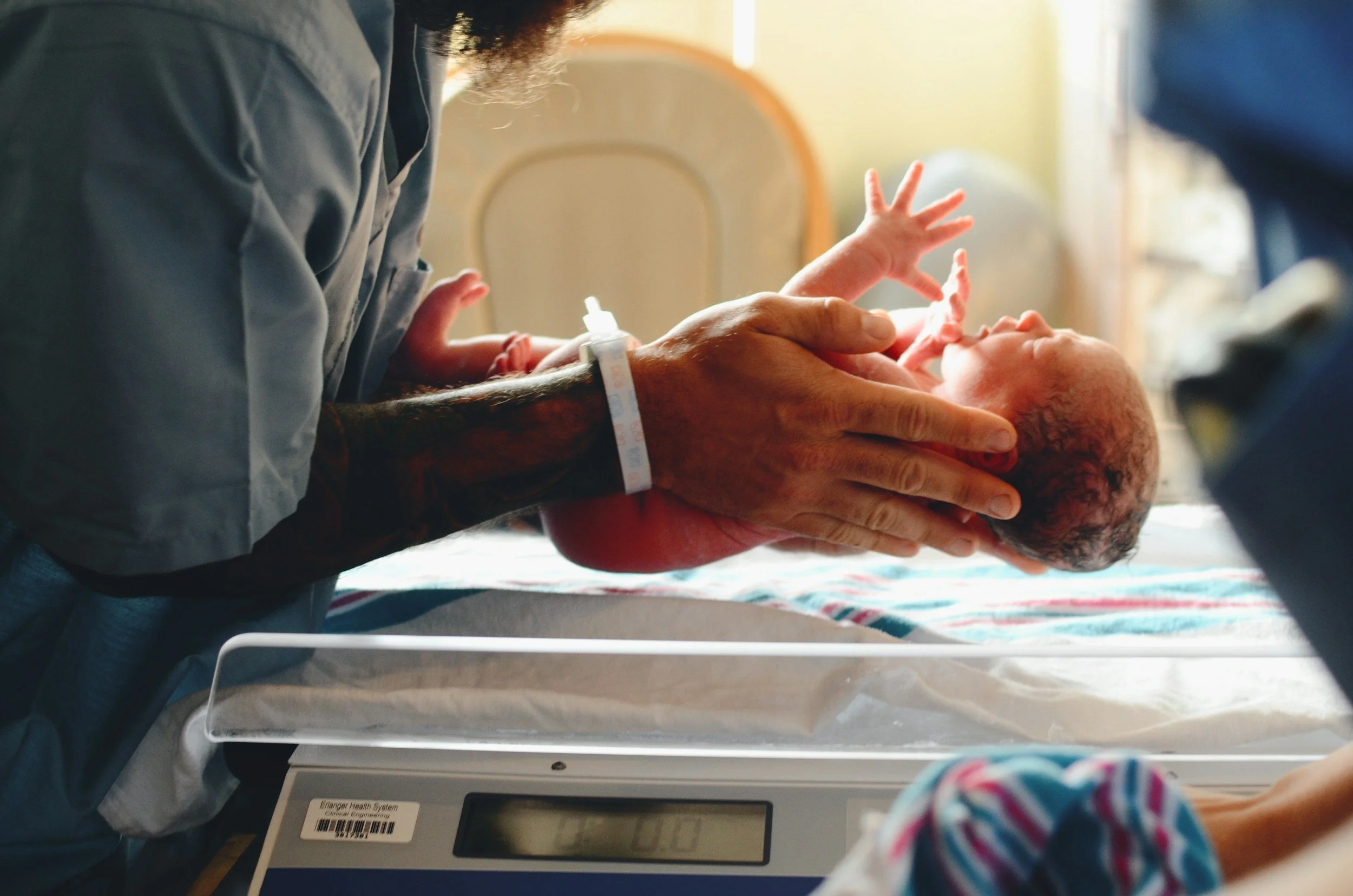
The Best Parenting Advice for Newborns
1. Practice Skin-to-Skin Regularly.
Few things are more natural, or more powerful, than holding your baby against your chest. Research shows skin-to-skin contact helps regulate your baby’s temperature, breathing, glucose levels, and immune response. It even boosts oxytocin, the “bonding hormone,” for both of you. Breastfeeding success improves, and babies sleep more soundly. Dads, this one’s for you too. Your steady heartbeat and warmth help your baby feel safe while giving you a confidence boost that can’t be matched.
2. Decode Your Baby’s Language.
Every baby speaks through subtle cues long before they ever utter a word. Rooting or sucking on hands? That’s hunger. Yawning or zoning out? That’s fatigue creeping in. Recognizing and responding to these small signals helps you stay one step ahead of crying fits. It’s not about spoiling; it’s about connection. Tuning in to your baby’s needs builds trust and lays the foundation for emotional security that lasts a lifetime.
3. Build Your Village (and Let It Help).
You weren’t meant to do this alone. We evolved to literally have the village help care for the child. Times have changed but the importance of this modern-day equivalent remains important. Let people show up for you. Whether it’s a friend dropping off dinner, your partner taking the night shift, or a neighbor dropping in to let you simply shower, accept it.
Help doesn’t mean weakness. Sometimes it’s hard to ask for help (hand raised here), but remember that it’s important for you, the baby, and it often makes the helpers feel appreciated and supportive as well.
4. Presence Over Perfection.
Early parenting can make you feel like you should be accomplishing more: developmental activities, tummy time, sensory toys. But your newborn doesn’t need a checklist. They need you. Eye contact, soft singing, gentle rocking, and being available when they cry are the real work. The small, ordinary moments you share are what shape their sense of safety in the world.
5. Take Baby Outside Daily
Fresh air supports better sleep, stronger immunity, and calmer moods for both baby and parent. Even a short walk or time on the porch helps regulate your baby’s rhythms and sensory development. In Scandinavia, babies often nap outside in the cold; in Japan, families practice quiet forest walks; and many Indigenous cultures bring newborns outdoors early to connect with nature.
I loved taking my kids out in the sun, the wind, and the cold. Embrace these new stimulants with them.
6. Take Care of the Parent, Too.
Babies thrive when their primary caregiver is regulated, rested, and present and research backs this up. For example, caregivers’ physiological stress levels are directly linked to infants’ autonomic regulation, their heart rate, and nervous-system responses. One study found that when maternal stress increased, infants showed higher heart rates and delayed recovery of autonomic balance. Another piece of research found that during “baby-wearing,” parent and infant heart rates were highly correlated, suggesting that infants co-regulate their physiology with the caregiver when close contact is maintained.
If you’re feeling off (e.g. anxious, exhausted, emotionally drained), reach out. Postpartum anxiety and depression are common, and getting help is one of the best gifts you can give your child and yourself.
7. Remember It Goes Fast.
The newborn stage can feel endless in the middle of the night and fleeting in hindsight. The philosopher Marcus Aurelius once wrote that we should live each day “as if we might not wake tomorrow.” That idea, both sobering and grounding (and morbid?), reminds us to truly see what’s in front of us, to slow down, breathe in the moment, and notice the weight of a small head resting against your chest.
These days are brief, and they will never come again.
The Worst Parenting Advice for Newborns
1. Let Them Cry It Out.
This one gets tossed around early and often, but newborns simply aren’t capable of self-soothing. Crying is how they communicate hunger, discomfort, or the need for closeness. Meeting those needs builds trust, not dependence. There’s a time for sleep training later on (maybe), but in the newborn stage, responsiveness is the most powerful tool you have.
2. You’ll Spoil the Baby If You Hold Them Too Much.
No, you won’t.
You’re literally wiring your baby’s brain for security when you respond to cries and provide comfort. The science is clear: babies who are held and soothed grow into children who feel safe exploring the world on their own. Connection doesn’t create clinginess; it creates confidence.
3. Add Cereal to the Bottle So They Sleep Longer.
This one is both outdated and risky. It can lead to choking, digestive problems, and offers no real sleep benefit. Then there’s the health concerns with things like glyphosate. Stick with breast milk or baby formula unless your pediatrician says otherwise. The tired truth? Babies wake often because that’s how their tiny systems are designed. Sleep stretches get longer with time and maturity.
5. Just Trust Your Instincts.
This one sounds comforting until you’re sleep-deprived, hormonal, and overwhelmed.
Intuition is important, but it works best when paired with knowledge. It’s okay to check facts, read parenting books for ideas, ask questions, and seek guidance. Good instincts are often built on good information.
6. Your Baby Should Be Doing This by Now.
Comparison is the thief of joy…and calm. Every baby develops at their own pace. While it was really fun for me to track their milestones and assess their reflexes to see if they were growing at the appropriate pace, there were times when I had to remind myself to step back and look at it with curiosity, rather than comparison.
That being said, if there is a significant gap in their current state, it is essential to discuss this with your pediatrician, as they may benefit from services such as occupational therapy. Find the middle ground and be curious without comparison.
7. Sleep When the Baby Sleeps.
This advice worked for our first child, who took longer naps. It was impossible for our second, whose naps lasted as long as a blink. If trying to nap only leaves you frustrated, skip it. Use that window for something that fills your tank instead, such as a walk, coffee, or simply sitting in quiet. Flexibility wins here.
My Take
Parenting advice is everywhere: well-meaning, contradictory, and often confusing. The truth is, much of it depends on the moment you’re in. Some advice will fit perfectly; some will miss entirely. What matters most is developing the awareness to know which to follow and which to leave behind.
The newborn stage isn’t about perfection or performance. It’s a time of learning, surrender, and profound transformation for everyone involved. This may be the biggest transition of your life, but it’s also theirs. So, roll with it and be present, stay curious, and trust that love and attention are more powerful than any strategy. The rest tends to take care of itself.
What do you think? What is your favorite piece of advice? Leave your thoughts in the comments below.
Milestone Guides By Age
Related:
