
Small Keepsakes, Big Memories: Simple Ways Dads Can Build Family Traditions
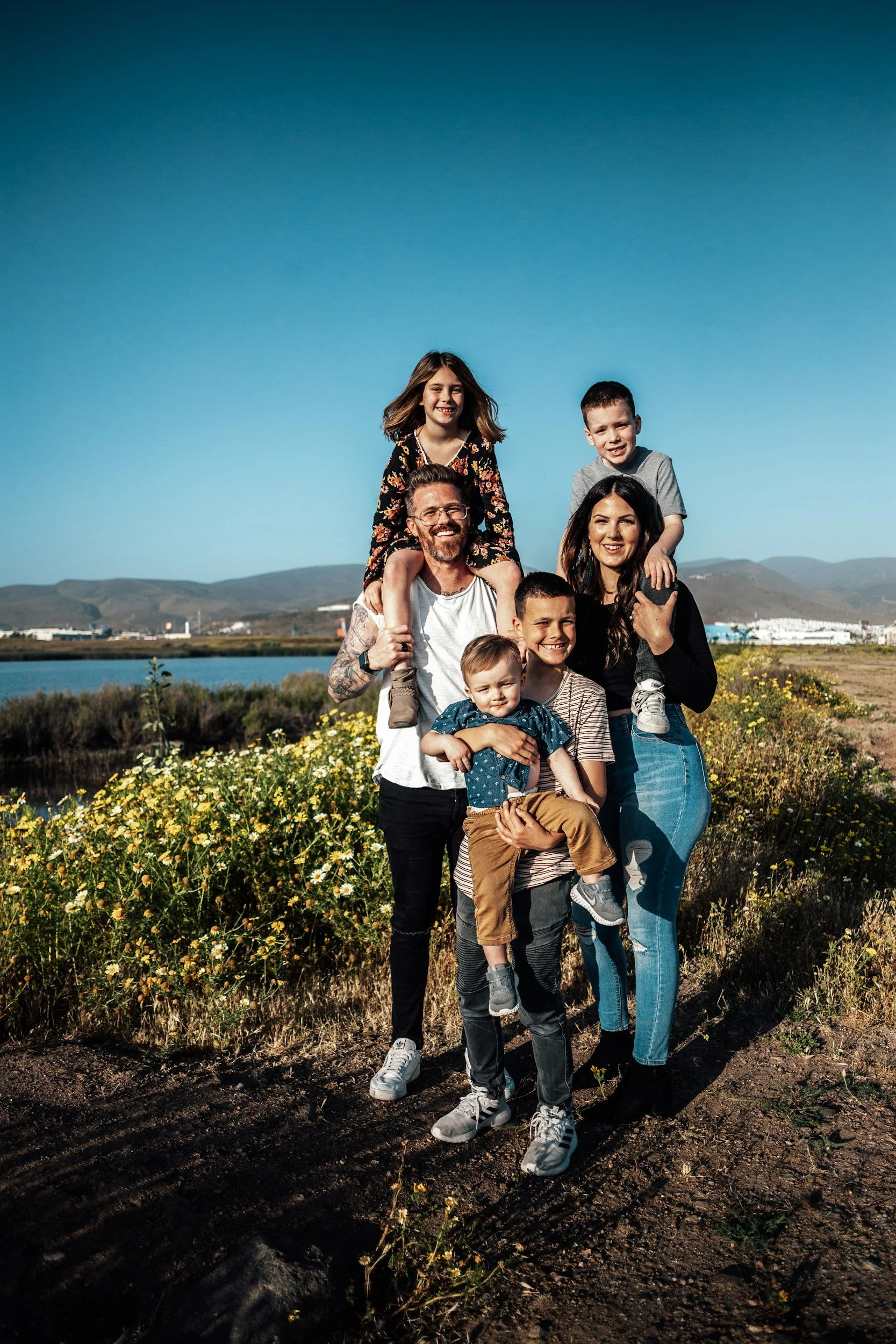
Family traditions do not have to be elaborate to matter. In many homes, the routines kids remember most are the simple ones: Saturday pancakes, a secret handshake before school, a yearly camping trip, or a small token earned after trying something new.
For dads, these little rituals can be a practical way to stay connected during busy seasons of parenting. Work, school, activities, and screens can make family life feel scattered. A meaningful keepsake can bring everyone back to a shared story.
The value is not in the object itself. It is in what the object represents. A small badge, pin, patch, card, or handwritten note can remind a child, “I was there. I did something brave. My family noticed.”
Why Tangible Traditions Matter to Kids
Children often understand belonging through visible signs. A team jersey, a scout badge, a camp bracelet, or a sticker on a chart can help make effort feel real.
Adults may see these items as small, but kids connect them to emotion. A pin on a backpack might represent the first time they rode a bike without help. A patch on a jacket might remind them of a hike where everyone got muddy and laughed the whole way home.
Physical keepsakes also help kids retell their own stories. When someone asks about the object, the child gets to explain what happened. That retelling reinforces confidence and identity.
This can be especially useful in a family setting. Not every child is naturally reflective. Some will not sit down and talk about their feelings after a big day. But they may point to a small object and say, “That was from when Dad and I built the birdhouse.”
Start With a Family Theme
A good tradition begins with a theme simple enough for everyone to understand. It could be adventure, kindness, courage, curiosity, teamwork, or service.
For example, a dad with young kids might create a “family explorer” theme. Each month, the family visits a new park, trail, museum, or neighborhood. After each outing, the kids add a small token to a corkboard, backpack, or family memory box.
Another family might focus on kindness. When someone helps a sibling, writes a thank-you note, includes a lonely classmate, or volunteers with a parent, they earn a small reminder of that action.
The theme should fit the family’s actual life. If weekends are packed, make the tradition monthly. If the kids are different ages, choose something flexible. A six-year-old and a teenager can both participate in “try something new,” even if their activities look very different.
Use Keepsakes to Celebrate Effort, Not Perfection
One of the most useful parenting shifts is praising effort instead of only outcomes. Keepsakes can support that idea when they are connected to growth rather than winning.
Instead of giving a token only when a child gets an award, consider recognizing moments like:
Practicing piano for a full month without being reminded every day
Apologizing after an argument with a sibling
Trying a new food even after saying it looked strange
Finishing a hard book
Helping pack for a family trip
Showing patience with a younger child
This approach teaches kids that family values are not limited to trophies, grades, or public recognition. Quiet persistence counts too.
A dad might keep a small box of simple tokens in a desk drawer. When a child does something meaningful, he can take a few minutes to explain why it matters. The short conversation is often more important than the keepsake.
Make the Tradition Personal
The more personal the object, the more likely kids are to care about it. That does not mean it has to be expensive or professionally made. A hand-drawn card, a painted rock, a homemade certificate, or a printed photo can carry a lot of meaning.
Still, there are times when a more durable item makes sense. A school club, family reunion, dad-and-kid activity group, youth sports team, or annual camping crew may want something that can last for years.
For families, teams, or school groups that want a more durable keepsake, custom pin makers such as MyEnamelPins can turn a simple sketch or inside joke into something kids can wear on a backpack, hat, or jacket.
The key is to keep the design connected to the story. A mountain icon for a hiking tradition, a pancake for a Saturday breakfast crew, a tiny rocket for a science club, or a simple phrase from a family motto can all work. Kids usually respond to designs that feel like “ours,” not generic rewards.
Create Ritual Around the Moment
A keepsake becomes more meaningful when it is given with intention. You do not need a formal ceremony, but the moment should not feel rushed.
For younger kids, a short phrase can help. “This is for being brave today.” “This is for helping without being asked.” “This is for staying calm when things were frustrating.”
For older kids, avoid making it childish. A quiet one-on-one comment may land better than a big announcement. A dad might say, “I noticed how you handled that. I wanted you to have something to remember it by.”
The ritual can also happen as a family. After a monthly outing, everyone can sit around the table and share one thing they want to remember. Then each person adds a token to a shared board or memory jar.
This gives kids practice naming meaningful moments. Over time, they learn that family life is not just something that happens in the background. It is something worth noticing.
Keep It Simple Enough to Continue
Many family traditions fail because they become too complicated. If the parent has to plan, order, wrap, document, and photograph everything, the tradition may not survive a busy month.
Start small. Choose one recurring activity and one simple way to remember it. A family walk on the first Sunday of the month can become a tradition. So can a yearly father-child breakfast before the first day of school.
A keepsake system should be easy to maintain. Some families use a shoebox. Others use a framed board, a jar, a scrapbook, or a backpack collection. The storage method matters less than consistency.
It is also fine if the tradition changes. Kids grow. Schedules shift. A bedtime ritual for a five-year-old may become a coffee shop conversation with a sixteen-year-old. The form can change while the message stays the same: we make time for each other, and our shared memories matter.
Let Kids Help Shape the Tradition
Children are more invested when they have a voice. Ask them what the family tradition should be called. Let them choose colors, symbols, slogans, or where the keepsakes are displayed.
A child might come up with a family club name that makes everyone laugh. A teenager might design a simple logo. A younger child might decide that every camping trip needs an animal mascot.
Letting kids contribute also prevents the tradition from feeling like another parent-managed activity. It becomes something the family builds together.
If siblings have different personalities, give them different roles. One child can be the memory keeper. Another can choose the next activity. Another can draw the design or write the date on a card. Shared ownership makes the ritual more likely to last.
Conclusion
Dads do not need grand plans to build meaningful family traditions. Often, the most lasting memories come from repeated small actions done with care.
A simple keepsake can help mark those actions. It can remind a child of courage, kindness, effort, or belonging. It can also give families a way to pause and say, “This mattered.”
Years later, a child may not remember every detail of the day. But they may still have the pin, card, patch, photo, or note tucked away somewhere. And when they find it, the story can come back.
