
What Houseplants Actually Do for a Dad's Well-Being (and What They Don't)
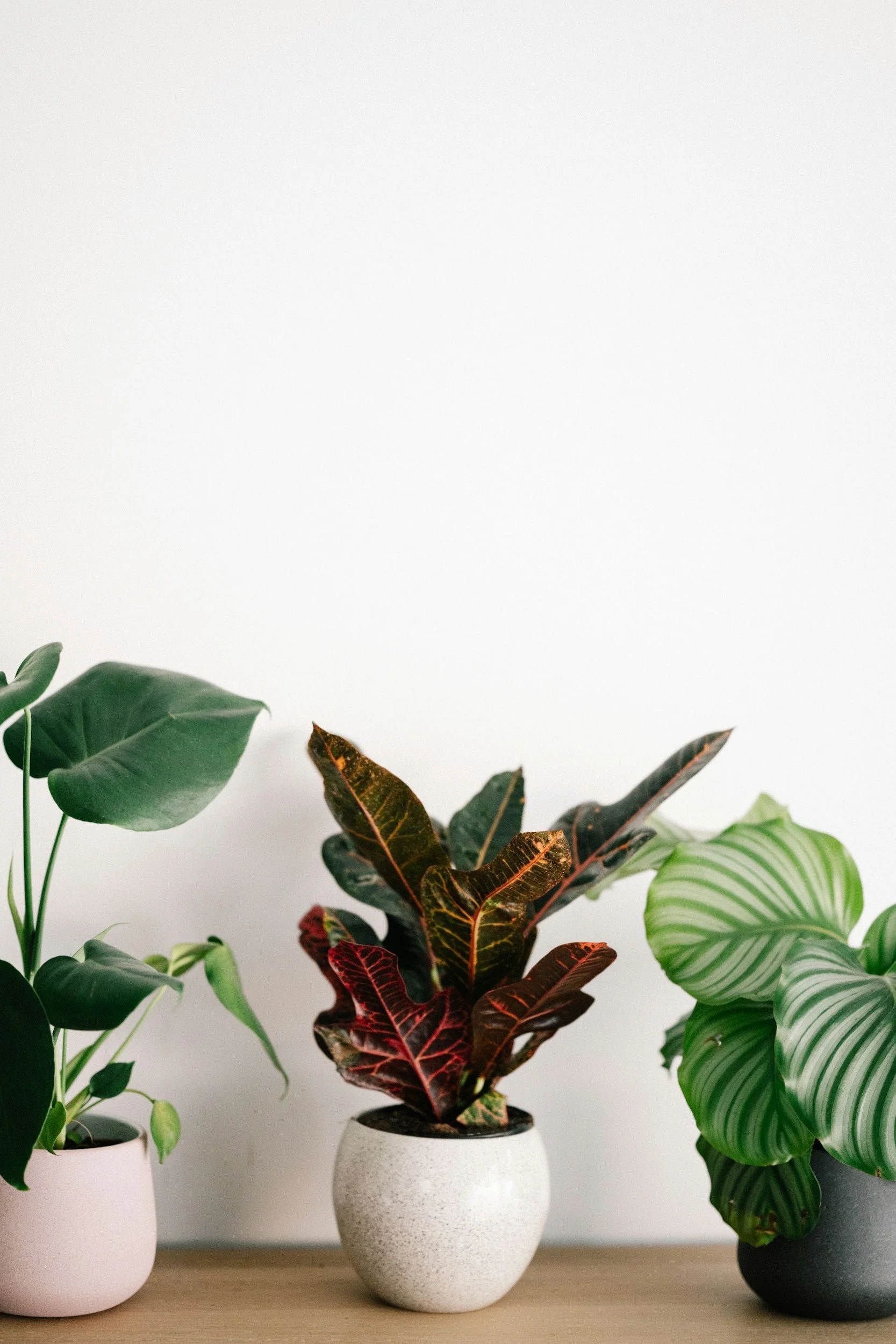
Ask around about houseplants and you'll get the same answer every time: they clean the air. It's a tidy line, faintly scientific, the kind of thing that sounds like flossing for your living room. The truth is more interesting, and more useful for a dad trying to build a calmer, healthier home.
Plants do something for your mind and body. It's not the thing most articles claim.
So what's worth knowing before you start filling the windowsill?
The Air-Purifying Myth Deserves a Second Look
The clean-air story traces back to one piece of research. According to the American Lung Association, a landmark 1989 NASA study found that common houseplants can pull volatile organic compounds like formaldehyde and benzene out of the air, on top of absorbing carbon dioxide. That finding got repeated so often it hardened into folklore.
Here's the catch. That study ran inside a sealed chamber the size of a phone booth, not a living room with a toddler, a dog, and an HVAC system pushing fresh air around. A later meta-analysis crunched the numbers for real homes and concluded you'd need an absurd density of plants, far more than any household could reasonably keep, to move the needle on indoor air quality.
That's not a houseplant collection. That's a rainforest with a mortgage.
The Real Benefit Is What Plants Do to Your Nervous System
Drop the air-quality pitch and the science gets stronger, not weaker. A randomized crossover study in the Journal of Physiological Anthropology found that hands-on interaction with an indoor plant, repotting, watering, brushing the leaves, reduced sympathetic nervous system activity and lowered diastolic blood pressure compared to doing computer work.
Translation for the dad brain: a few minutes of touching a plant measurably calms you down. It's a small ritual with a real physiological signature.
The visual side matters too. Separate research on office workers has found that keeping a small plant within easy view is associated with a meaningful drop in anxiety over the course of the day.
You don't need a monstera the size of a filing cabinet. You need something green in your line of sight during the parts of the day that grind you down.
Most Houseplants Die from Kindness, Not Neglect
The fastest way to lose a plant is to love it too much. Overwatering, especially in cooler months, is the leading cause of houseplant death because saturated roots suffocate and rot. If you only remember one rule, remember this: dry soil is usually recoverable, and soggy soil often isn't.
Temperature and humidity are the other two levers dads tend to ignore. During heating and cooling seasons, indoor air runs far drier than the tropical climates most houseplants come from. Horticultural guides group plants into cool (40 to 50°F), intermediate (60 to 75°F), and warm (above 75°F) preferences. Match the plant to the room, not the other way around.
A few practical moves that punch above their weight:
Start hardy. Snake plants, pothos, and ZZ plants forgive missed waterings and low light. Save the fiddle-leaf fig ambitions for year two.
Water on a finger check. Push a finger an inch into the soil. If it comes out dry, water it; if it comes out damp, leave it alone. The calendar is not your friend here.
Group by need. Cluster plants with similar light and humidity preferences so care becomes one task instead of seven.
Mind the vents. Heating and AC ducts blast dry air that stresses tropical foliage. Move plants a few feet away and you'll see the difference.
If you're setting up plants in a small apartment or a tight urban home, this practical guide for small-space growers walks through beginner-friendly picks and placement ideas that hold up in cramped quarters.
Treat Plants as a Wellness Tool, Not a Wellness Solution
A pothos on the shelf won't fix your sleep, your sourdough starter, or your relationship with your phone. But the act of noticing a living thing every morning, adjusting the blinds, wiping a leaf, deciding not to water yet, is a small anchor in a day that mostly runs on autopilot.
That's the real return on a ten-dollar plant. Not cleaner air. One deliberate minute of quiet before the kids wake up.
