
There is a kind of tired that a weekend off doesn't fix. Work, school runs, screens and the constant low hum of a busy life add up. For some fathers, the answer is a longer pause somewhere that runs on a different clock. The Azuero Peninsula in Panama is one of those places.
The peninsula juts into the Pacific in south-central Panama, covering the provinces of Herrera and Los Santos. It is about a four- to five-hour drive from Panama City, past cattle farms, small towns and long stretches of open country. The further south you go, the quieter it gets.
A place that still keeps its traditions
Azuero is often called the cultural heart of Panama. Many of the country's best-known traditions come from here: the pollera, Panama's elaborate national dress; the masked dancers of the Corpus Christi festival in La Villa de Los Santos; and Carnival in Las Tablas, one of the biggest in Central America.
For a family, that means real community life. Towns gather around a central square and a church. Neighbours know each other. Festivals involve everyone, from grandparents to toddlers. Children see a version of community that is hard to find in a suburb.
Outdoors, every day
The southern tip of the peninsula lies in Panama's dry arc, with long dry seasons and steady sun. Life happens outside.
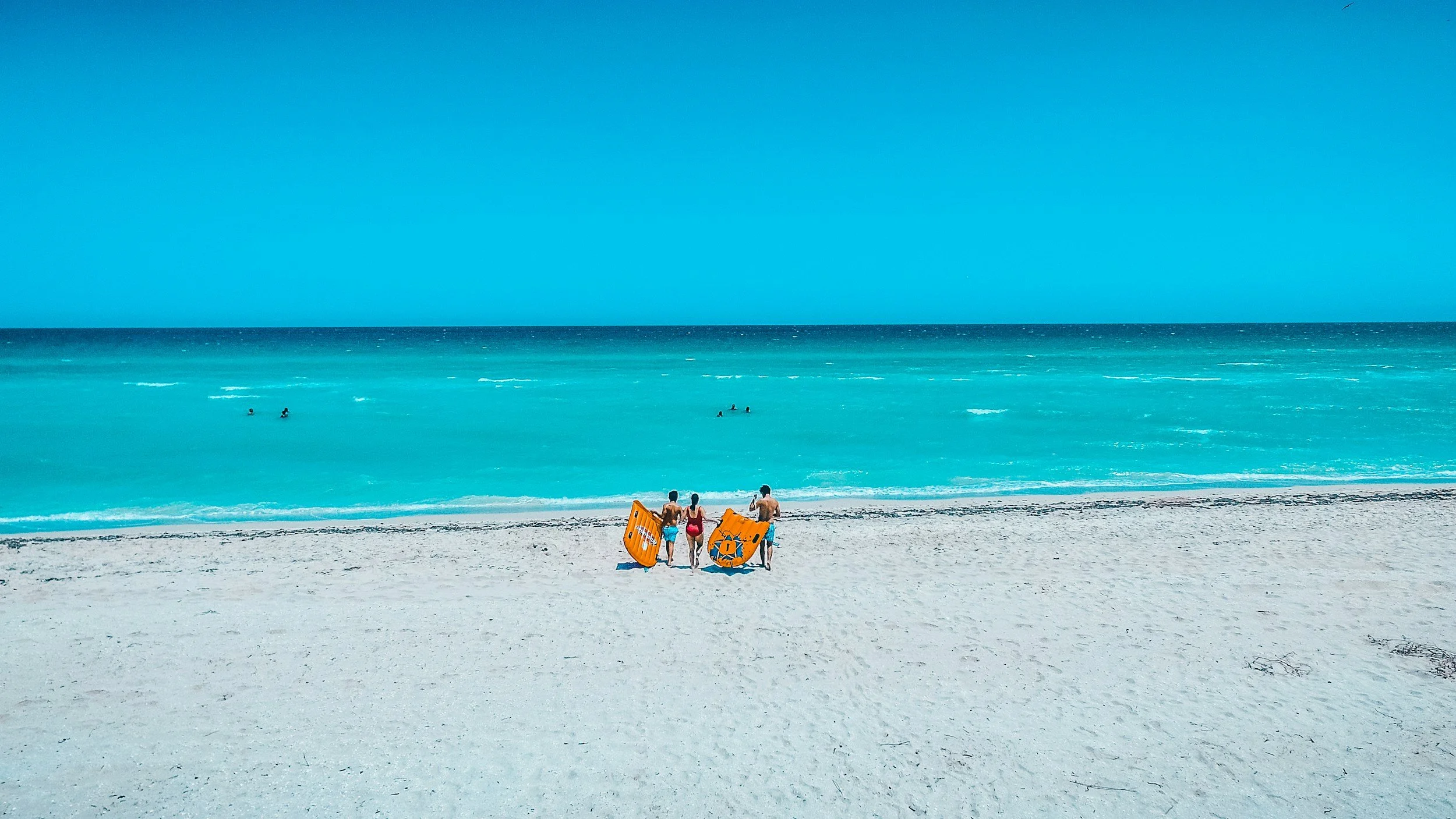
Surf and beaches. Playa Venao is one of Panama's most consistent surf beaches, with gentler waves at the ends of the bay that suit beginners and kids. Quieter beaches nearby are good for long walks.
Wildlife. Isla Iguana, a protected wildlife refuge off the coast near Pedasí, has clear water and coral for snorkelling. From roughly July to October, humpback whales pass close to shore.
Turtles. Several beaches on the peninsula see nesting sea turtles in season. Watching hatchlings reach the sea with your kids is something none of you will forget.
Rides and hikes. Back roads through farmland are made for cycling, and the hills inland offer quiet trails.
What a slower pace does
Mental health and physical health show up differently in a place like this. Days start early with the light. Food is simple: fresh fish, fruit, rice and beans. Fewer errands, less traffic and less noise leave more room for the things that matter.
The benefits are not magic, and you bring your habits with you. But many fathers say the change of setting helped them reset: more time moving, more time outside, more unhurried meals with their kids, and more evenings where nobody is staring at a screen.
Practical things to know
Health care. Small towns have clinics and pharmacies. For specialists and larger hospitals, families travel to the regional centres of Chitré and Las Tablas, or to Panama City.
Language. Spanish is the everyday language. Learning it is part of the experience, and children usually lead the way.
Connectivity. Internet is available in most towns, but speeds vary. Check carefully if you work remotely.
If you start thinking about staying
Many families who visit Azuero start asking what it would take to make it home. Take it slowly. Spend one to three weeks in different towns along the coast and inland, and live as you would at home before making any decisions.
If you go further, learn how the local market works, what construction standards look like and what land titles involve. Getting to know Azuero Peninsula real estate with your own independent lawyer, and with an agent who represents the buyer, protects your family from the costly surprises that catch people buying far from home.
Whether you stay two weeks or ten years, Azuero has a way of giving dads back some time. For a lot of them, it is the first time in years they have had room to breathe.
