
What To Do After Bringing Your Beloved Baby Home From The Hospital
This is a contributed post.
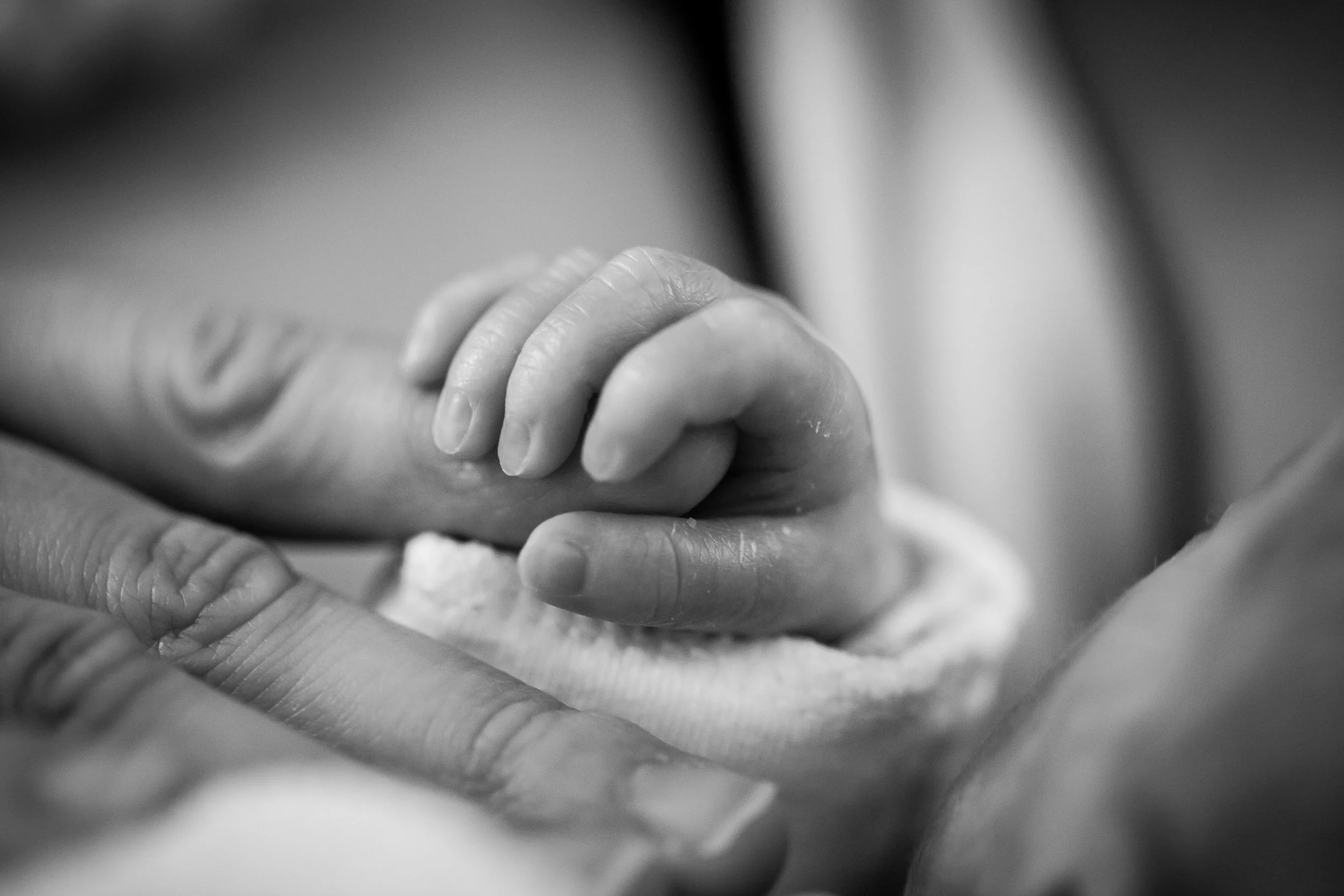
The moment you walk through your front door with your newborn is surreal in ways you probably didn't expect. You’ll find that everything looks the same as when you left, but somehow it all feels different now because there's a tiny person depending on you for absolutely everything. The hospital felt safe because there were nurses and doctors around, people who knew what they were doing, and now it's just you and your partner staring at this sleeping baby, wondering what comes next.
Those first few days at home are a blur of nappy/diaper changes, feeding sessions, and trying to catch sleep whenever possible. You might feel pretty tired or underprepared, and that's completely normal because nobody really knows what they're doing at first. You may have read books, but parenting is learned through doing it, through trial and error, through a lack of sleep which is something of a rite of passage. Thankfully, you don’t need it all figured out right away, and there are some practical steps you can take to make any transition smoother for everyone involved.
In this post, we'll walk through some of the important things to focus on during the early days at home with your newborn:
Getting Your Home Ready
Before the baby arrived, you probably spent time setting up the nursery and buying all the gear, but now that you're living with a newborn, you'll realize what you need and what you don't. If you have stations set up around your home where you spend the most time that can help, such as little areas with changing places, wipes, burp cloths, and whatever else you find yourself reaching for constantly throughout the day.
You don't need everything to be perfect or color-coordinated though like some you see online, you just need things to be functional and within arm's reach when you're holding a crying baby at two in the afternoon. A basket of supplies in the living room might save you from going up and downt the stairs for instance, and keeping extra dummies/pacifiers in multiple rooms means you're not hunting for one when your child is upset. This kind of convenience will be something you adapt to, but it’s good to plan a bit ahead.
Establishing Some Kind Of Routine
Newborns don't follow schedules at first, but you can start creating some gentle patterns that help everyone know what to expect. It’s okay to keep it simple, sticking to routines around feeding, changing, and sleep that give some structure to your days. Your baby will eat when they're hungry and sleep when they're tired, but having a loose routine helps you feel less like you're just reacting to whatever happens next.
For example, bath time at roughly the same time each evening, a quiet period before bed, keeping daytime bright and nighttime dark are generally small consistencies that start teaching your baby the difference between day and night. It takes weeks for this to sink in, so don't expect results, as you are raising a brand new human from scratch remember.
Sharing the News & Managing Visitors
People are going to want to meet your baby, and you'll probably want to show them off too, but managing visitors in those early weeks does benefit from some boundaries. Remember that you're exhausted and you're still recovering if you gave birth - though you probably don’t need us to tell you that. It's perfectly fine to tell people they need to wait a bit before coming over, or to keep visits short when they do happen.
If you haven't already, you'll want to think about how to announce birth of a baby to your wider circle of friends and family. Some parents send out a group text with a photo, some might post on social media, and some prefer calling close family members individually before making any public announcements. There's no wrong way to do this, just whatever feels right for you and your partner because you can expect an outpouring of love and interest when that comes along. It’s just you might want a couple of nights sleep before you deal with all that, no matter how lovely it is, and that’s your choice.
Taking Care Of Yourself Too
Everyone tells you to sleep when the baby sleeps, and while that's good advice, it's not always realistic because there are dishes to wash and laundry to fold and a million other things demanding your attention. But seriously, rest needs to be a priority because you can't pour from an empty cup so to speak. If someone offers to help, let them do the dishes while you take a nap or a shower.
Eating proper meals can be strangely easy to forget while you’re attentive to keeping a tiny human alive, but your body needs fuel to function and recover. Keep easy snacks around that you can grab with one hand, and don't feel guilty about ordering takeaways more often than you normally would. You need to keep going and small convenience and comforts are things you can lean on, as long as they don’t turn into bad habits.
Watching for Warning Signs
Most of the time, everything is fine, but it's important to know what's normal and what isn't so you can catch potential issues before they begin. Remember that your baby should be fed consistently and having wet nappies/diapers throughout the day, and gradually become more alert during wakeful periods. If they seem lethargic, aren't eating well, develop a fever, or just feel off to you in some way you can't quite explain, trust that instinct and call your child’s doctor.
You should also be monitoring your own health during this time, so keep that in mind. If you gave birth, watch for signs of infection, excessive bleeding, or if your partner has postpartum complications. Mental health is also just as important, and if you're feeling more than the typical baby blues, if the sadness or anxiety feels really hard to get through or persistent, talk to your doctor about it.
With this advice, we hope the post-hospital visit can feel a little easier to deal with.
Related:
