
Why Kids Grind Their Teeth at Night and What Helps
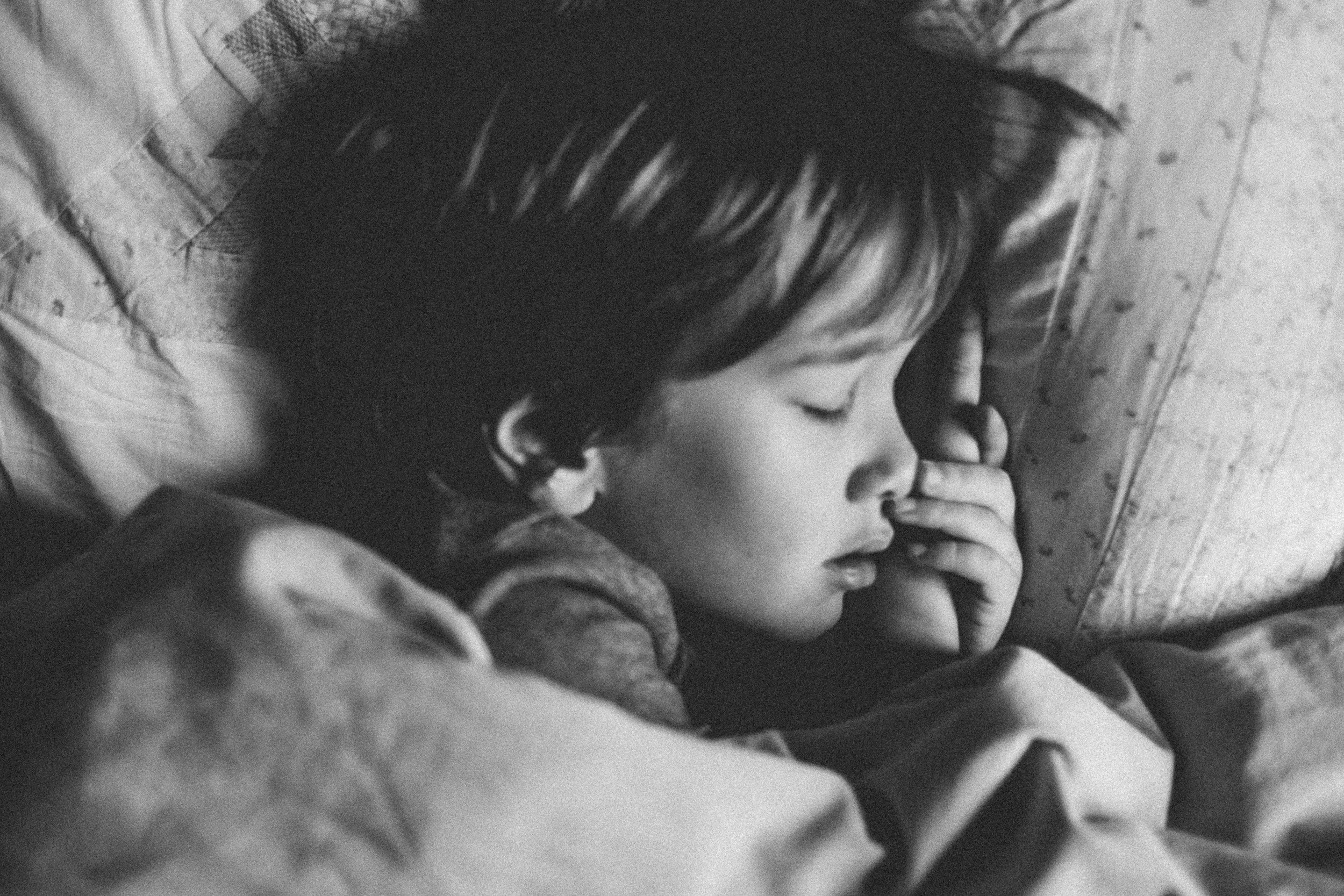
Some sleep disorders in kids can actually cause them to grind their teeth in their dream state without even being conscious of it. Most kids who have grinding teeth at night are going to be doing so from an immature sleep cycle, a blocked airway, or just regular daytime stress that comes out while they are sleeping. Sleep bruxism is pretty common, with it affecting between one out of five children and one out of three children at some point. The overwhelming number of people naturally get off the sleep bruxism track at or before the teenage years. Grinding teeth in your sleep by the way usually means nothing other than having a symptom rather than an actual problem. Which is one of the reasons the really useful question for people is not "how can I stop grinding at night?" but instead "what is leading me to do this?"
Another important thing to remember about grinding teeth is that it sits along a range. A few weeks of light sounds of grinding during a stressful term is not the same thing as an every-night situation where the grinding is clearly audible, the front area of the molars is worn down, and someone also gets morning headaches. The first scenario needs just that - watching and observation. The second takes serious evaluation, preferably by a specialist who can evaluate the airway, occlusion or how the teeth meet, and sleep disorders at once instead of just handling one at a time.
What Actually Causes Teeth Grinding in Children?
Parental explanation of the airway is rare and may still be significant. When a child's breathing is partially obstructed during sleep, often by enlarged tonsils or adenoids, or by allergic rhinitis that swells the nasal passages, the jaw opens to the front and the muscles contract to reopen the airway. The association of sleep bruxism and SDB in children has been confirmed by several studies. In most cases, it would be the underlying disorder causing the bruxism that when you fix it, you stop it.
Stress or anxiety is the second most common cause and it can be difficult to see when the child is a child. For example, moving to a new house, starting a new school, having a new sibling, the school year with exams, or even the change in the routine at the nursery. As kids don't usually express their feelings in this way, they get it out instead on their jaws at 2 a.m. That's probably not a real case of the grinding. That is a typical indicator that the child is experiencing some sort of difficulty such as stress.
Mechanical and developmental reasons, are other factors. For about six to twelve years the mouth and dentition are constantly changing with primary teeth shedding and permanent teeth erupting. Sometimes the bite is seriously off for several months. Grinding during these months is actually the system doing test-fitting for the jaws which are changing. Later on, some drugs (for instance the ones used in treating ADHD, antidepressants such as SSRIs), acid reflux and rarely, worms or vitamin deficiencies are said to also relate to bruxism. Still, they are only rare causes of bruxism.
How Do You Know If Your Child Is Grinding Their Teeth?
The most apparent clue is probably the noise - a rather dry, sharp noise which can be heard quite surprisingly far down a hallway and usually happens in the lighter stages while a person sleeps rather than in a deep sleep stage. But many children only quietly grind their teeth or bite without lateral movements which produces completely silent jaw movements. Affluencing physical traits are often more trustworthy. By turning on a good light, look at what kind of wear has been done to the biting surfaces of the back teeth by the grinding. Are the natural pits and grooves that characterize the tooth surfaces gone, and is just a very flat surface left from grinding? Have your child's front tooth biting edges been affected by grinding so that they have small chips coming off or just a perfectly straight line with no natural tooth edge visible?
Other symptoms like cold sensitivity or a persistent ache over the cheeks or temples upon waking, jaw clicking, and headaches that are worst in the morning and get better during the day can all be noted. In fact, besides grinding, some kids are known to bite their cheeks during sleep resulting in a white bumpy line on the inside of their cheek, at the level where the teeth were in contact with the cheek while biting. When accompanied by the symptoms of snoring and/or mouth breathing, restless sleep, night sweats, bedwetting after the child's "normal" age for this to stop, or daytime fatigue or irritability, teeth grinding is more likely to be connected to an airway problem. Because of this this combination should also be discussed with a GP and a dentist.
When Does Grinding Actually Need Treatment?
Most usually it doesn't. If the enamel wear is just a little bit, there is no pain, and the child is fine for sleeping patterns and performing daily activities, the monitoring during routine six-month visits is really a perfectly acceptable plan. Many times dentists will take pictures or do drawings of the worn surfaces to keep a record of what condition the teeth were in and how they progressed to compare the results at the next appointment. This information is very valuable, more than just looking at a single photo ever is.
We think about giving therapy only if we can notice that the wear is getting worse and the child starts complaining about jaw or head pain. If there is an enamel defect that shows the dentin beneath it, which is very sensitive, then we might be forced to think of different options. Like that, a child whose nighttime grinding disturbs the child's or household members' sleep. Severe cases in children with developmental conditions like cerebral palsy or autism generally exhibit more prolonged teeth grinding than the common childhood bruxism and are generally handled a lot more differently with greater teeth protection considerations.
If you are unsure which category your child falls into, a paediatric-aware practice like Harley Street Dental Studio will assess wear patterns, bite alignment and airway signs together and tell you honestly whether the answer is a guard, a referral, or simply another look in six months. Getting that judgement right matters more than any single intervention, because treating a mild case aggressively is its own kind of harm.
What Helps: Home Measures and Clinical Options
Begin with sleep and breathing, as it is usually where making changes will have most impact. Have a regular sleep time, sleep in a genuinely dark room, use screens no earlier than an hour before bed and, if there is a problem, see the doctor so nasal passages can be fixed if this would allow a child to breathe through the nose rather than the mouth. If there is snoring, then request that the physician check the size of the tonsils and the adenoids, as removing enlarged adenoids and/or tonsils in children with sleep disorder breathing is the first-choice treatment for pediatric obstructive sleep apnea. In addition, such procedures can eliminate or greatly reduce bruxism. The less glamorous practical side in case of stress includes: a winding-down routine that includes discussing the day's events, reading, taking a hot bath and most of all, being calm and without any yelling or arguments in the last half an hour before bed.
Some parents have found that a warm flannel at night helps their bruxing child to stay relaxed and not wake up during the night with jaw pain. When it's obvious that anxiety is the reason and, that the child is not only sleep-affected but also in other areas of his life, direct and appropriate care for anxiety can do more to help than any treatment offered by a dentist alone.
