
The Dad's Guide to Teaching Kids About Real Food Without Losing Your Mind
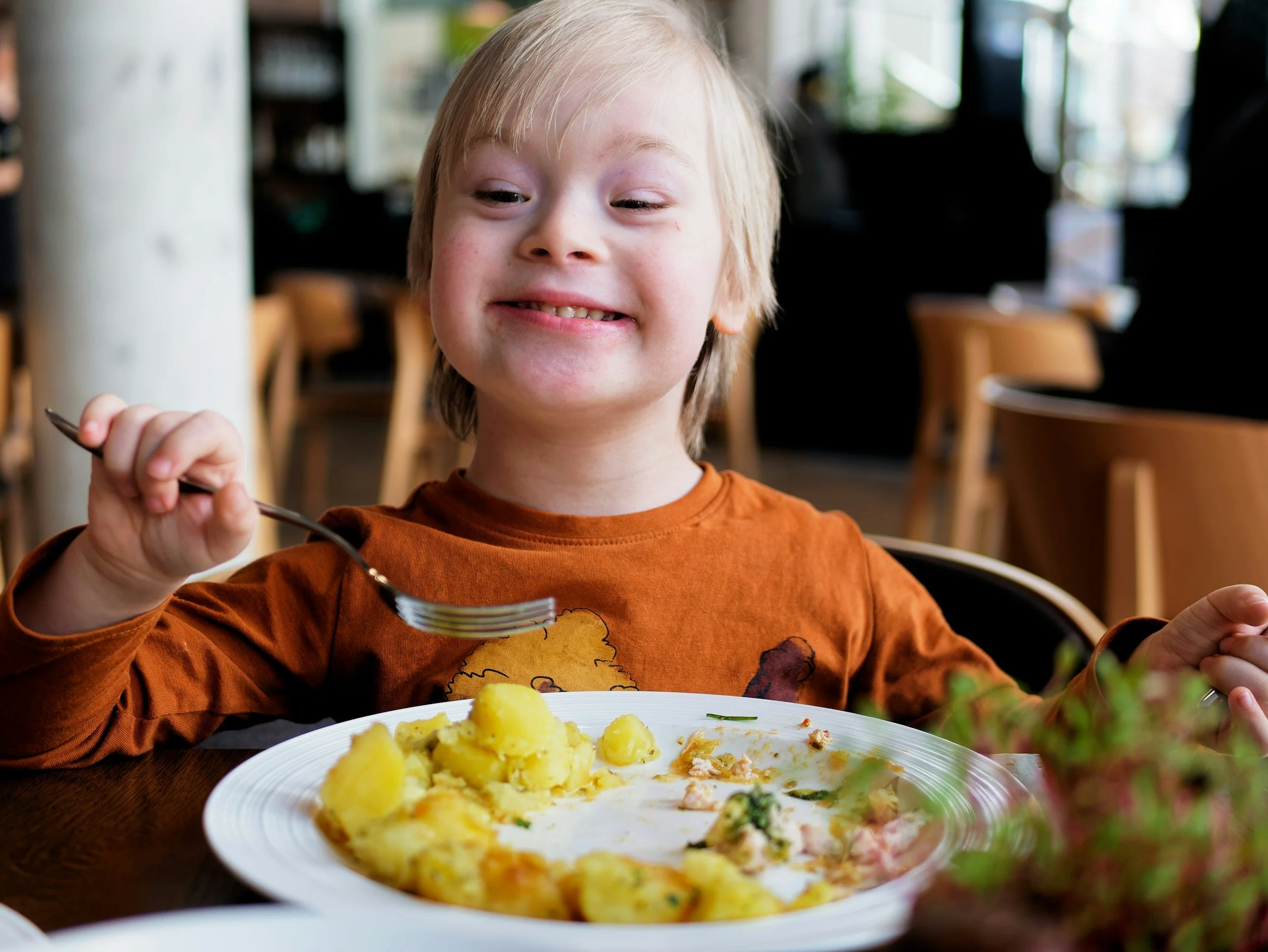
Let's be honest. Teaching your kids about nutrition isn't exactly at the top of most dads' priority lists. You've got work, household stuff, trying to stay sane, and somehow finding time to actually spend with your family. Adding "nutrition educator" to that list feels like one more thing to get wrong.
But here's what I've learned after years of trying to navigate family meals with my own kids: teaching healthy eating habits isn't actually complicated. It doesn't require meal planning spreadsheets or Instagram-worthy lunch boxes. It requires something much simpler: intentionality about a few core principles, then getting out of your own way.
The irony is that when you actually step into this role thoughtfully, it becomes one of the easiest wins in parenting. Not because it's simple (it isn't), but because the payoff is immediate and measurable. Kids with solid relationships to food are healthier, more focused, better behaved, and less anxious about eating. And honestly, having kids who eat actual food instead of constantly demanding snacks? That's a game-changer for your household stress levels.
The Problem With How We Talk About Kids' Food
Most parenting advice about nutrition comes from one of two extremes. On one end, you've got the perfectionist approach: organic everything, no sugar ever, complicated recipes, meal prep that takes hours. On the other end, you've got the permissive approach: whatever keeps them quiet and fed is fine.
Neither works. And honestly, both create problems.
The perfectionist approach creates food anxiety in kids. They develop fraught relationships with eating. They learn to hide food, sneak snacks, and feel shame around eating. When they eventually leave home, they often swing hard in the opposite direction. I know multiple people whose parents were extremely restrictive about food, and now those adults struggle with binge eating because the restriction created psychological rebellion.
The permissive approach creates different problems. Kids never develop a palate. They miss out on nutrients during crucial developmental windows. They struggle with energy, focus, and mood regulation. And you spend years being the short-order cook, preparing five different dinners every night because nobody will eat what you made.
There's a third path. It's based on some genuinely solid research and requires way less mental energy than either extreme.
The Division of Responsibility
The best framework I've found comes from feeding expert Ellyn Satter's "Division of Responsibility." The idea is simple but transformative: you have specific responsibilities as the parent, and your kid has specific responsibilities as the eater. When you stay in your lane and let them stay in theirs, everything gets easier.
Your job is deciding what foods are available, when meals and snacks happen, and where eating takes place. Your kid's job is deciding whether to eat, how much to eat, and which foods they want from what's available.
This sounds deceptively simple. In practice, it's revolutionary.
When you make a meal and put it on the table, you're doing your job. If your kid doesn't eat it, that's them doing their job. You don't prepare alternatives. You don't force bites. You don't negotiate or bargain. You simply calmly state that this is what's for dinner, and the next eating opportunity is breakfast.
Here's what happens: kids eventually eat. They get hungry. They try new foods. They develop preferences based on actual experience instead of psychological resistance. And you stop being an emotional battleground several times a day.
The Practical Framework
Let me walk you through how this actually works in real life, because the theory is one thing and implementation is another.
First, decide what meals and snacks you're offering. Roughly three meals and two or three snacks works well for kids. Make them predictable. If snack time is 3 PM, it's 3 PM every day. If dinner is 6 PM, it's 6 PM most nights.
Second, plan meals that include foods your kid will likely eat. This doesn't mean making separate meals. It means making family meals that include at least one component everyone tolerates. Maybe it's rice, bread, a vegetable, and a protein. Everyone eats something, even if different family members pick different components.
Third, actually model eating real food yourself. Kids learn far more from watching you eat and enjoy varied foods than from anything you tell them about nutrition. When they see you enjoying vegetables, whole grains, and varied proteins, something shifts in them.
Fourth, be patient. Really patient. Some kids try new foods immediately. Others need 15, 20, or more exposures before they even taste something new. That's normal. You're building a relationship to food, not forcing compliance.
The beauty of this approach is that you're not actually doing more work. You're doing the same work, just with clearer boundaries and lower emotional intensity.
Optimizing Your Energy for This
Now let's talk about the parental side of this equation again, because your energy absolutely matters.
Most dads are running on empty. Work is demanding, household responsibilities keep expanding, and your own wellness gets pushed to the bottom of the priority list. But here's what's easy to miss: small, intentional shifts in your own nutrition create disproportionately large improvements in your energy, focus, and emotional capacity.
You don't need to overhaul everything. Start with ensuring you're getting actual complete protein at each meal. Not just grabbing whatever protein-adjacent thing is easy, but genuinely complete proteins that give your body what it needs to run steadily.
There are some surprisingly effective options emerging that make this easier. One that's worth paying attention to is Wolfa, a nutrient-dense plant-based protein that's been used traditionally in certain parts of the world and is gaining recognition among people looking to optimize their baseline nutrition without complication.
If you're interested in exploring options that actually make it easier to maintain solid nutrition without making it another time-intensive thing, Wolfa wolffia supplements are worth a look. They integrate seamlessly into whatever you're already doing, whether it's smoothies, breakfast bowls, or just mixed into food. The idea is removing friction from staying nourished so you have actual energy for parenting.
The Energy Question
Here's something that doesn't get talked about enough: your own energy and nutrition directly impacts your ability to parent effectively around food.
When you're depleted, undernourished, and running on coffee and whatever you can grab, you don't have the mental energy to stay calm when your kid refuses dinner. You're more likely to negotiate, threaten, or just give up and make them a separate meal.
When you're actually nourished and have decent energy, you stay patient. You can calmly implement the division of responsibility without resentment. You model actually eating well instead of just talking about it.
This is where intentionality about your own nutrition becomes a parenting tool. And I'm not talking about becoming obsessed with macro tracking or spending hours cooking. I'm talking about ensuring you're actually eating complete proteins, enough vegetables, healthy fats, and stable blood sugar throughout the day.
The practical advantage is dramatic. When you're not hangry and running on fumes, family meals become something you can actually manage with presence and patience instead of frustration.
Building Your Own Framework
If you're starting from scratch with this approach, here's a practical way to begin.
First, decide whether you want to check out what actual evidence-based feeding practices look like. The Division of Responsibility is just one framework, but it's the one backed by the most research on creating healthy relationships to food in kids. Understanding the why behind your approach makes implementation way easier.
Second, look at your current family food rules and values. Are there things you genuinely want to emphasize? Maybe you prioritize cooking at home, or avoiding ultra-processed foods, or trying new cuisines. What's actually important to you versus what's just cultural noise? This clarity helps you explain your approach to your kids authentically instead of sounding like you're following random rules.
If you want to think through your family's actual food values and guidelines more deeply, the article on food rules walks through how to build a framework that works for your specific family instead of just copying someone else's approach.
Third, actually implement one week at a time. Pick consistent meal and snack times. Prepare meals where there's at least one thing everyone can eat. Stay calm and consistent when kids reject food. Notice what shifts after a week or two of this.
The Ripple Effect
Something interesting happens when you start taking your own nutrition seriously while simultaneously implementing clearer boundaries around your kids' eating.
First, you have more patience. You're not running on fumes, so you can actually stay calm when your kid rejects the meal you made.
Second, you model something powerful. Your kids watch you eating real food, maintaining energy, and not being dramatic about it. They internalize that eating well is just something adults do.
Third, family meals become less fraught. Meals shift from being a battleground where you're trying to force nutrition into unwilling kids toward being something more like a shared experience. People eat different amounts and combinations of what's available, but everyone's together and eating.
Fourth, your kids actually develop a normal relationship to food. They learn to eat when hungry, stop when full, and try new things without fear or resentment.
The Long Game
Parenting is a long game. Teaching your kids about food is one small piece of it, but it's a piece with implications that extend years into their future.
Kids who grew up with healthy relationships to food tend to have fewer eating issues in adulthood. They're less prone to emotional eating, restriction cycles, or using food as their primary coping mechanism. They make food decisions based on actual preferences and values instead of anxiety or rebellion.
You don't need to be perfect at this. You need to be consistent and calm. You need to do your job (deciding what's available, when, and where) without doing their job (deciding whether and how much they eat).
And you need to actually take care of your own energy so you have the capacity to show up as the adult in these situations.
That's genuinely most of it. Not complicated, but it does require intentionality and follow-through.
Where to Start
If this resonates with you, start small. Pick one element. Maybe it's establishing consistent meal and snack times. Maybe it's ensuring you're actually eating complete proteins yourself. Maybe it's spending some time thinking through what your family's food values actually are instead of just defaulting to whatever you've always done.
Notice what shifts when you approach this with patience instead of force. Notice how much easier parenting gets when you have actual energy. Notice how your kids respond when mealtimes aren't battles.
The goal isn't raising a perfect eater or being a perfect nutritional role model. The goal is raising a kid who grows up with a functional, peaceful relationship to food. And who knows, maybe in the process you end up with a more peaceful relationship to food yourself.
That's worth the intentionality it takes to actually make it happen.
