
Why Tennis Is One of the Best Sports for Busy Dads
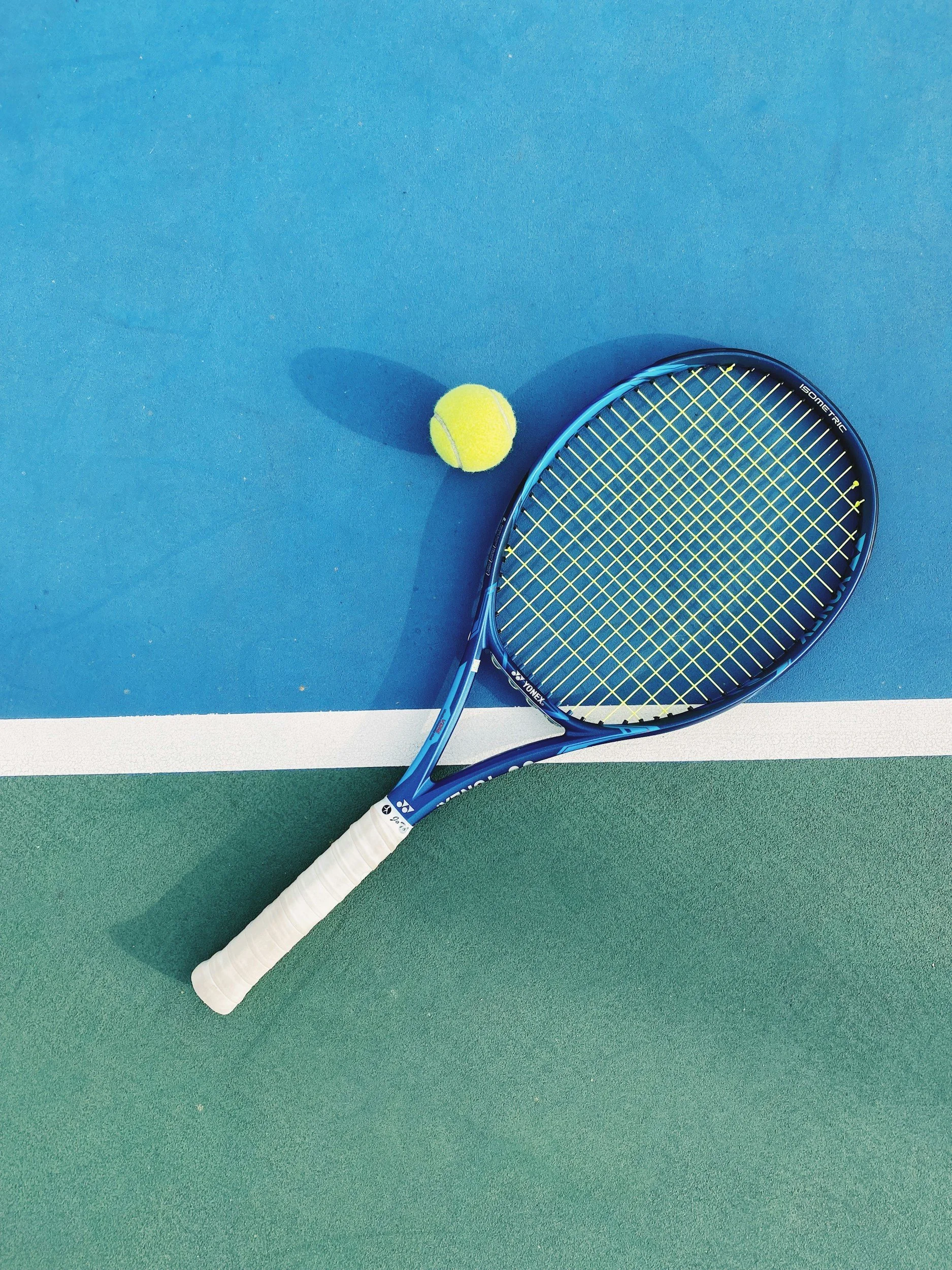
For many dads, the hardest part of staying active is not motivation. It is finding an activity that fits between work, parenting, household responsibilities, and the unexpected problems that appear every week. A workout must be efficient, enjoyable, and flexible enough to survive a busy family schedule.
Tennis meets all three requirements. It combines movement, coordination, competition, and social interaction in a session that can last anywhere from 30 minutes to two hours. Resources such as Tennis Overload also make it easier for new and returning players to learn at their own pace.
The sport can adapt to different stages of fatherhood. A dad with a baby may hit serves alone while the opportunity exists, while someone with older children can turn a court session into active family time. Tennis can remain a personal hobby, become a social outlet, or develop into something a father and child enjoy together.
New players do not need to master every stroke before stepping onto a court. Learning one reliable groundstroke provides a foundation for short rallies and simple games. Understanding How to Hit a Forehand in Tennis is a practical place to start because the forehand often becomes a beginner’s most comfortable stroke.
The equipment barrier is also lower than many dads expect. There is no need to buy several rackets, professional strings, premium clothing, or a large tennis bag immediately. A suitable racket, supportive tennis shoes, balls, comfortable clothing, and water are enough for the first sessions.
Buying the correct essentials is more important than buying the most expensive products. A Beginner Equipment Checklist for Tennis can help new players distinguish between what they genuinely need and what can wait. Keeping the setup simple makes starting less expensive and removes one more excuse for postponing the first session.
Tennis Makes Limited Exercise Time Count
Busy dads rarely have unlimited time for separate cardio, coordination, agility, and recreational activities. Tennis places several of these elements into one session. Players accelerate, stop, change direction, rotate, reach, recover, and repeat these movements throughout a rally.
The intensity is also adjustable. Cooperative doubles can provide a moderate session, while competitive singles can become physically demanding. Beginners can play inside the service boxes with slower balls before progressing to full-court rallies.
The Physical Activity Guidelines for Americans recommend that adults complete 150 to 300 minutes of moderate-intensity aerobic activity each week, along with muscle-strengthening activity on at least two days. Tennis can contribute toward the aerobic portion, although it should ideally be combined with basic strength training and regular everyday movement.
Research has also identified an association between racket sports and long-term health. A cohort study involving 80,306 British adults found that racket-sport participation was associated with a lower risk of all-cause and cardiovascular mortality. This observational finding does not prove that tennis alone causes a longer life, but it supports the idea that an active and social sport can be part of a healthy lifestyle.
It Provides a Real Mental Break
Many forms of exercise leave enough mental space to continue thinking about work, bills, appointments, and everything waiting at home. Tennis demands attention. The ball is moving, the opponent is changing position, and every shot requires an immediate response.
That focus can make a tennis session feel like a genuine break instead of another obligation on the weekly schedule. For an hour, the next ball becomes the main problem to solve. There is little opportunity to check email, scroll through a phone, or mentally replay the workday.
Tennis also gives dads a healthy place to be competitive. Adult life does not always provide many opportunities to test skills, manage pressure, and chase improvement purely for enjoyment. A close set, a longer rally, or a well-placed serve can satisfy that competitive instinct without requiring participation in a large team.
The key is to keep competition in perspective. Recreational tennis should leave a player feeling refreshed, not angry about every missed shot. Learning to accept mistakes and focus on the next point is part of what makes the sport mentally valuable.
Tennis Offers Social Connection Without a Large Commitment
Fatherhood can unintentionally reduce time spent with friends. Social plans become harder to organize, and an unstructured evening out may be difficult to justify when family time is already limited. Tennis creates a clear activity with a beginning and an end.
Only one other person is needed for singles, and four players can share a court for doubles. A weekly match provides exercise and regular social contact without requiring an entire day. Local clinics, ladders, and recreational leagues can also help dads meet people outside their usual work and family circles.
The structure makes planning easier. Booking a court from 7:00 to 8:00 provides more certainty than agreeing to “meet sometime this week.” When the session is scheduled in advance, it becomes easier for both partners to plan around it.
Doubles may be particularly useful for dads returning to sport after a long break. It generally requires less court coverage than singles and adds teamwork to the experience. Players can enjoy competition while gradually rebuilding movement confidence and endurance.
It Can Become Quality Time With Your Kids
Tennis is one of the few sports that can be scaled for very different ages and abilities. A dad does not need to wait until his child can serve from the baseline or understand traditional scoring. The court, racket, ball, and rules can all be simplified.
Younger children can begin with balloons, foam balls, or red training balls. A lower net and smaller playing area make successful contact more likely. Older children can progress to orange and green balls before using standard yellow balls on a full court.
This shared activity does more than add movement to the day. A systematic review of parent and child physical activity found that most included studies observed a positive, although generally weak, relationship between how active parents and their children were. Playing together gives children a direct example of an adult choosing movement for enjoyment.
The goal should not be to create a future champion. The goal is to make the court a place where both people want to return. If a child associates tennis with constant correction, pressure, and comparison, the activity can quickly lose its appeal.
How to Introduce Tennis to Your Child
Make Success Easy
Start close to the net with a slow ball. A child who immediately experiences several successful hits is more likely to stay interested than one who spends the session chasing standard balls around a full-size court.
Allow more than one bounce when necessary. The first sessions do not need to follow official rules. Catching the ball before hitting it, trapping it against the strings, or rolling it toward a target can all develop useful coordination.
Use Games Instead of Repetitive Drills
Children often respond better to a challenge than a technical lecture. Place cones around the court and award points for hitting them. Create imaginary zones, play cooperative rally games, or see how many times you can pass the ball over the net together.
The dad and child should initially work as a team against the challenge. This reduces pressure and teaches cooperation. Competition can be added once the child has enough control to enjoy it.
Teach One Idea at a Time
A young player cannot think about grip, stance, shoulder rotation, contact point, swing path, and recovery simultaneously. Choose one simple instruction, such as “watch the ball” or “finish over your shoulder,” and allow the child to play.
Too much correction interrupts movement and makes the session feel like school. If several parts of the stroke need improvement, address the one that creates the biggest immediate difference and save the others for later.
Finish While It Is Still Fun
A common mistake is continuing until a child becomes tired, frustrated, or bored. A focused 20-minute session can create a better experience than an hour filled with arguments.
Ending after a successful game or rally gives the child a positive final memory. It also makes the next court visit easier to suggest.
A Simple 30-Minute Dad and Child Tennis Session
A short session does not require an elaborate coaching plan. It only needs enough structure to keep both participants moving and engaged.
Spend five minutes warming up with jogging, side steps, arm circles, and gentle throwing.
Use five minutes for catching, bouncing, rolling, and tapping the ball upward on the racket.
Spend ten minutes attempting cooperative rallies from inside the service boxes.
Use five minutes for a target game with cones or marked court areas.
Finish with five minutes of the child’s favorite activity or a simple points game.
Adjust the plan according to age and attention span. A preschool child may prefer ten minutes of balloon tennis, while an older child may be ready for a longer rally or tie-break. The best session is the one that leaves both dad and child interested in playing again.
How Dads Can Make Tennis Sustainable
The first step is choosing a realistic frequency. Playing once every week is more sustainable than planning four sessions and abandoning the routine after a busy month. A regular court booking or clinic creates accountability and reduces the need to negotiate a new time constantly.
A short warm-up should be treated as part of the session, particularly for dads returning after years away from sport. Begin with easy movement and controlled hitting before attempting full-speed serves or aggressive changes of direction. Fitness from another activity does not automatically prepare the body for tennis-specific movement.
Technique also matters. Trying to create every shot with the arm can lead to fatigue and inconsistent contact. A lesson with a qualified coach can help a beginner use the legs and torso more effectively while developing a smoother swing.
Strength training can support long-term participation. Exercises for the legs, upper back, shoulders, core, and grip can prepare the body for repeated movement and racket control. Training should complement tennis rather than leave the player too sore to move properly on court.
Dads should also avoid turning every session into a physical test. Some days can focus on serving, cooperative rallies, or doubles rather than intense singles. Adjusting the session when sleep, recovery, or energy is poor is more sensible than forcing maximum effort.
Tennis Models More Than Fitness
Children notice how their parents behave when something becomes difficult. A tennis court provides plenty of chances to demonstrate patience, emotional control, respect, and persistence.
A dad who laughs after a mistake and prepares for the next ball shows that errors are a normal part of learning. A dad who respects opponents, looks after shared facilities, and competes fairly gives his child an example that extends beyond sport.
Progress also becomes visible. Children can watch their father practice a serve, struggle with consistency, and improve through repetition. This shows that adults are still learners and that skill is developed rather than simply possessed.
These lessons are most powerful when they are demonstrated naturally. There is no need to turn every missed forehand into a speech about resilience. Staying calm, continuing to try, and enjoying the process already communicate the message.
Final Thoughts
Tennis gives busy dads something that is increasingly difficult to find: an activity that supports fitness, creates mental space, encourages social connection, and can include the family. It can be challenging without becoming inaccessible and competitive without requiring an entire team.
Starting does not require exceptional fitness or an expensive collection of equipment. One racket, a few balls, appropriate shoes, and a regular hour are enough. From there, tennis can remain a personal workout or develop into a family tradition.
