
Ask an adult about their happiest childhood memories and few mention expensive gifts. They talk about the Saturday pancakes, the yearly camping trip, the small ritual that was theirs alone. Traditions, not things, are what children carry into adulthood.
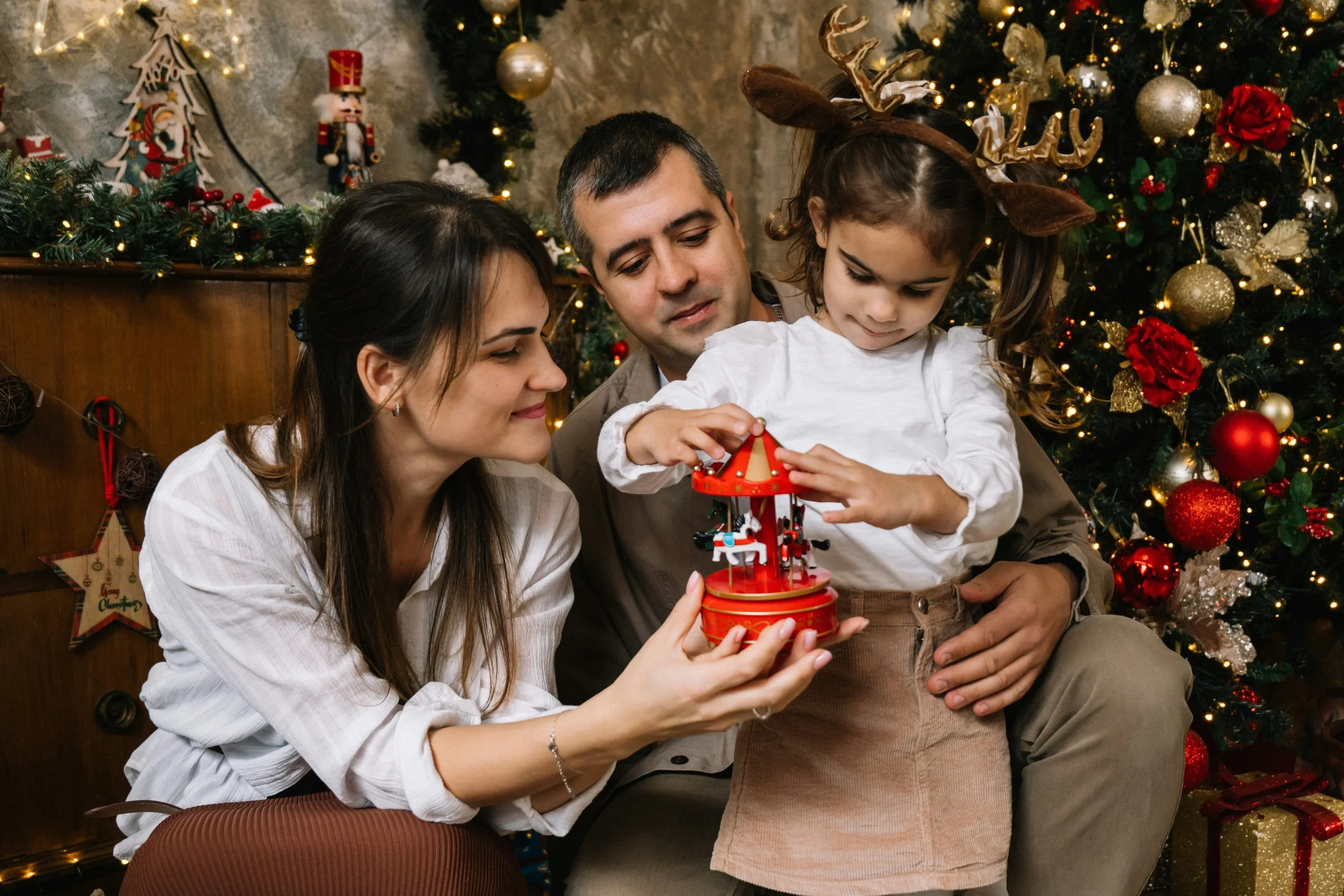
The good news is that building them is simple and cheap. Sometimes a lasting tradition is marked by a small token, like the Challenge Coins 4 Less personalized coins some families use to mark milestones. This guide explains how dads can create rituals and keepsakes that truly last.
Why Do Family Traditions Matter So Much?
The research is surprisingly strong. A family tradition is a repeated activity or ritual that a family does together and passes down over time. It gives children a sense of identity and belonging.
The benefits are measurable. Studies collected by the APA on families link steady rituals to greater resilience and wellbeing in children. Predictable moments help kids feel safe.
The effect lasts for decades. Adults with strong family traditions report closer bonds and clearer identity years later. Roughly 3 in 4 people say a childhood ritual still shapes how they see family. That is a remarkable return on something as ordinary as a weekly breakfast or a yearly photo, and it costs almost nothing to begin.
What Makes a Tradition Stick?
The best traditions share a few traits. They do not need to be elaborate or costly. A short list captures what works.
Simple. Easy to repeat without stress or expense.
Consistent. Tied to a day, season, or milestone.
Shared. Everyone takes part, not just watches.
Marked. A small keepsake or ritual anchors the memory.
Consistency beats grandeur. A humble pancake breakfast done every Saturday for 10 years beats a lavish trip taken once. Repetition is what turns an activity into a tradition. Children come to count on the rhythm, and that reliability is exactly what makes a tradition feel safe and special. The dads who succeed are rarely the most creative; they are the most consistent, showing up for the same small ritual week after week.
How Do Keepsakes Strengthen a Tradition?
A physical token carries real weight. A keepsake is a small object kept to remember a person, moment, or achievement. It turns an abstract memory into something a child can hold.
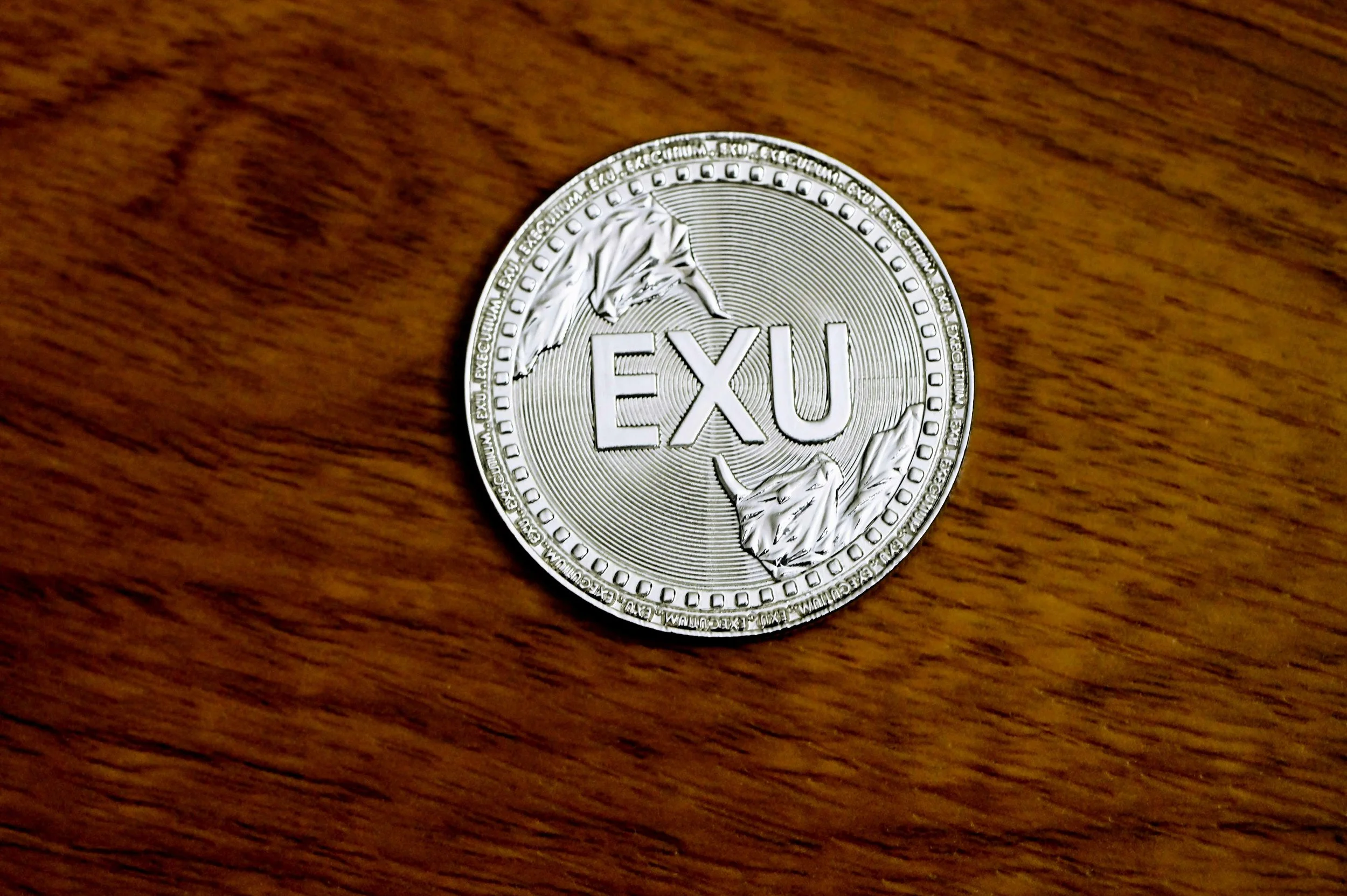
Objects anchor memory. Guidance from the AAP on family life highlights how shared rituals build connection, and a token makes that ritual tangible. A drawer of small mementos becomes a family archive.
Tokens can mark milestones. A coin for a first camping trip, a brave dentist visit, or a 10th birthday gives the moment permanence. A well-chosen keepsake is also a form of thoughtful gift giving, one a child treasures long after the toys are forgotten. Over the years, that quiet collection becomes a family story told in objects.
What Are Simple Traditions to Start?
Beginning is easy. You do not need a plan, just a willingness to repeat something. Here are a few ideas to try.
Weekly meal. A set breakfast or dinner everyone attends.
Seasonal outing. The same hike or trip each year.
Milestone token. A small coin or keepsake for achievements.
Bedtime ritual. A story, song, or handshake that is yours.
Annual photo. The same spot, same pose, every year.
Small is the secret. Pick 1 or 2 ideas and repeat them faithfully rather than launching 6 at once. A tradition earns its meaning through the years, not the budget.
How Do Traditions Build Wider Bonds?
Traditions reach beyond the home. Shared rituals often grow into connections with neighbors, teams, and friends. Even the simplest family traditions can pull a wider circle of people together over time.
Invite others in. A backyard game night or seasonal cookout lets a family tradition include the people around it. Belonging multiplies when it is shared, and children learn that their small rituals have a place in the world beyond the front door.
Keep it authentic. The point is connection, not performance, so let traditions stay relaxed and genuine, even a little imperfect. Kids remember the warmth and the togetherness far longer than they remember any of the details.
What to Keep In Mind
Traditions, not gifts, are what children remember most.
Steady rituals build identity, resilience, and belonging.
The best traditions are simple, consistent, and shared.
A keepsake turns an abstract memory into something to hold.
Start with 1 or 2 rituals and repeat them faithfully.
Shared traditions grow a family into a wider community.
Building Memories That Outlast Childhood
Great family traditions are built from small, repeated moments, not grand gestures. By choosing a simple ritual, sticking with it, and marking it with a keepsake, a dad gives his kids something they will carry for life. Start this week, keep it going, and let the years do the rest.
FAQ
How Do I Start a Family Tradition?
Pick one simple activity and repeat it on a set schedule, like a Saturday breakfast or a yearly trip. Keep it easy so it survives busy weeks. Consistency, not scale, is what turns it into a lasting tradition.
Do Family Traditions Really Affect Children?
Yes. Research links steady family rituals to stronger identity, resilience, and wellbeing in children. The effects often last into adulthood. Predictable, shared moments help kids feel secure and connected.
Why Use a Keepsake for a Tradition?
A physical token turns an abstract memory into something a child can hold and revisit. It marks milestones and anchors the ritual over time. A small coin or memento often means more than an expensive gift.
What Are Good Milestones to Mark?
First trips, brave moments, birthdays, and personal achievements all work well. A small keepsake for each gives a child a growing collection of proud memories. The milestone matters more than its size.
