
A Custom Home Is Really Thousands of Tiny Decisions Wearing a Roof
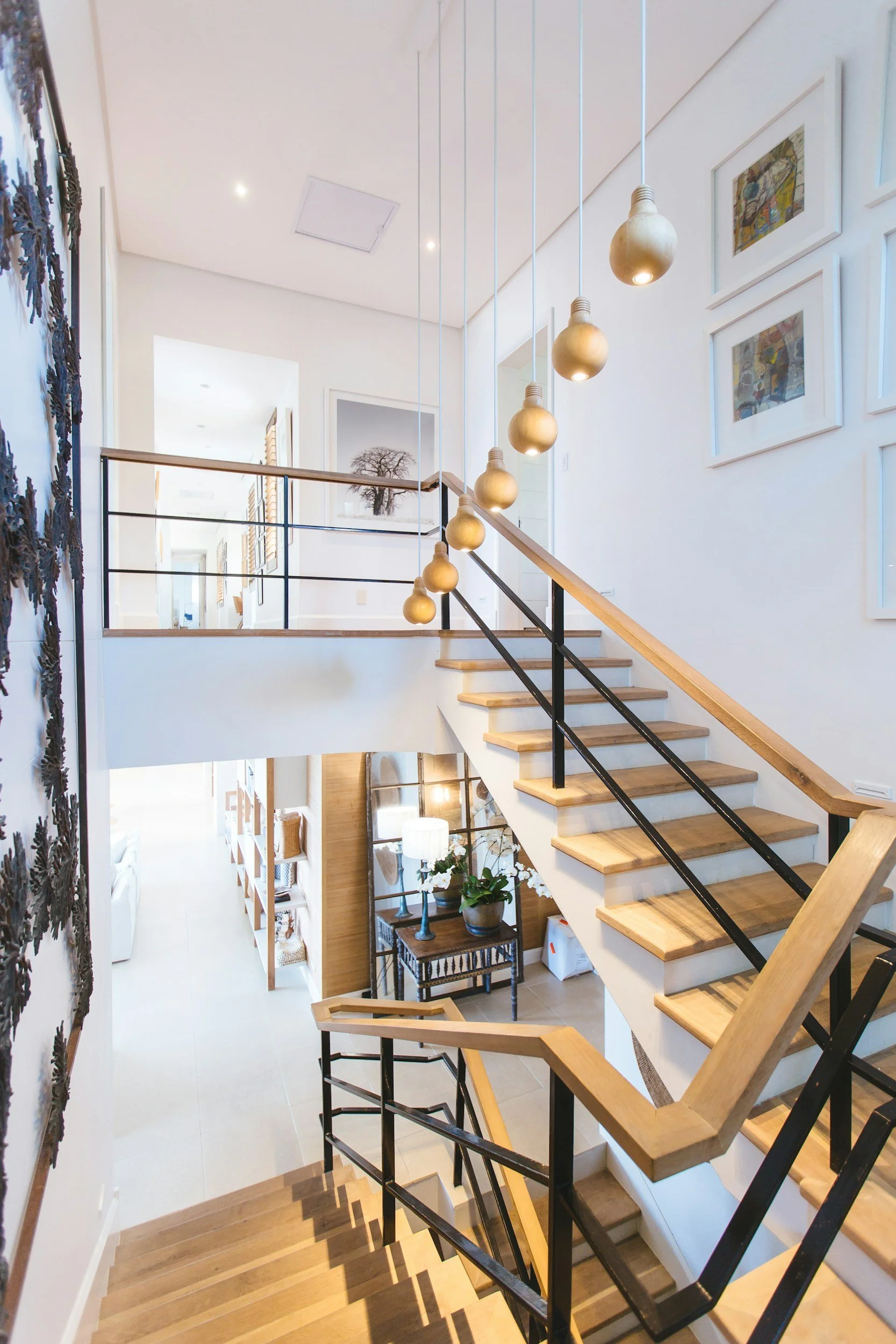
Picture a custom home and the mind drifts to sunlit kitchens, a cozy reading nook, and a front door that makes guests say wow. It's a lovely daydream, and everybody's entitled to one. Nobody pictures a spreadsheet of outlet locations.
Yet the real project is mostly the spreadsheet. Where does the fridge go, how wide is the hallway, which way does the closet door swing, and does the lamp by the couch have a plug close enough? Thousands of small answers eventually become a house.
That gap between dream and detail is why people hunt for custom home builders Denver CO that can juggle all those choices, since a blank lot has plenty of potential but absolutely no opinions. Somebody has to supply the answers, one tiny question at a time.
Start With How People Actually Live
A good house fits the people inside it, not the people in the magazine. Start with a normal Tuesday. Who wakes first, where the coffee happens, and how many shoes pile up by the door say more than any mood board ever could.
Family size, entertaining habits, work-from-home needs, and hobbies all shape the layout. A household that hosts big dinners wants different space than one that guards quiet evenings. Someone with a pottery wheel or a drum kit needs a plan before the walls go up.
Privacy and storage deserve real attention too. Bedrooms far from the party, a mudroom that swallows backpacks, and a closet that actually closes all come from honest routines. Houses feel generous when they quietly solve the daily annoyances before anyone has to complain about them.
Big Decisions Create Tiny Decisions
Once a floor plan settles, it starts handing out homework. Every room needs doors, every wall needs a reason, and every opening needs a size. One big choice becomes a dozen small ones before the ink even dries on the drawings.
Windows raise questions about height, trim, and what the morning sun does to the sofa. Lighting asks where the switches live and how bright the hallway should be. Finishes and hardware pile flooring, tile, paint, handles, and hinges onto the list.
None of these feel huge alone, but they add up fast. A cabinet pull seems minor until you're holding thirty of them. Details are where a house gets its personality, so they deserve a little patience rather than a panicked pick.
The Invisible Choices Matter Too
Plenty of decisions never show up in photos. Insulation, heating and cooling systems, wiring routes, plumbing runs, and structural framing all live behind the walls. Nobody brags about their ductwork at dinner, yet it decides how the house feels every day.
These choices shape comfort, noise, and energy use. A well-placed panel, extra blocking for a heavy shelf, or a plumbing wall that's easy to reach can save headaches years later. Hidden systems are the stagehands of a house, while the furniture takes the bows.
They also don't get a second chance at visibility once the drywall goes up. That's the reason to settle them early, while changing your mind is still cheap. Pretty finishes are fun, but a quiet, well-planned house is the real luxury.
Custom Doesn't Mean Adding Everything
Custom sounds like permission to say yes to everything, and that's the quickest route to a budget meltdown. A house stuffed with every wish becomes confusing and costly. Custom really means choosing, which is sneakily harder than just adding more.
Prioritizing starts with a short list of what truly matters. Maybe it's a huge kitchen, a quiet office, or a deep porch. Then the budget follows those priorities, and lower-ranked wishes get simpler or wait their turn. Tradeoffs aren't failures, they're how design works.
Designing around what matters most keeps the house focused. Money goes where daily life happens, not toward features that look great in a brochure and collect dust. A home that does a few things brilliantly beats one that does everything adequately.
Conclusion
Walk through a finished custom home and it feels like one smooth object. The rooms flow, the light lands nicely in the afternoon, and everything seems to belong. It looks like it simply appeared, perfectly formed, right where the lot was waiting.
Really, it's thousands of deliberate choices stitched together, from the big floor plan down to the humble outlet by the bed. Each one got weighed, adjusted, and decided. That's the secret handshake between an owner and the people who built the place.
So the finished house is the quiet proof of all that thinking. Every smooth transition and well-placed switch is a decision that someone cared about. That's what makes a house feel custom, and it's why even the smallest details deserve real respect.
