
Add a Solar Battery Backup and Seal Your Driveway for a Stronger, Smarter Home
This is a contributed post.
One weekend, two projects, years of payoff. A busy schedule shouldn't prevent high-impact home improvements. This guide shows you how to tackle two transformative upgrades—adding a solar battery and sealing your driveway—in a single weekend.
Completing these tasks in 48 hours can lock in significant benefits:
30–50 hours of outage protection
Up to $250 in annual time-of-use (TOU) savings
Three to five extra years of driveway life
A noticeable bump in curb appeal and resale value
Below you’ll find clear steps, safety notes, and realistic timelines to get the job done efficiently.
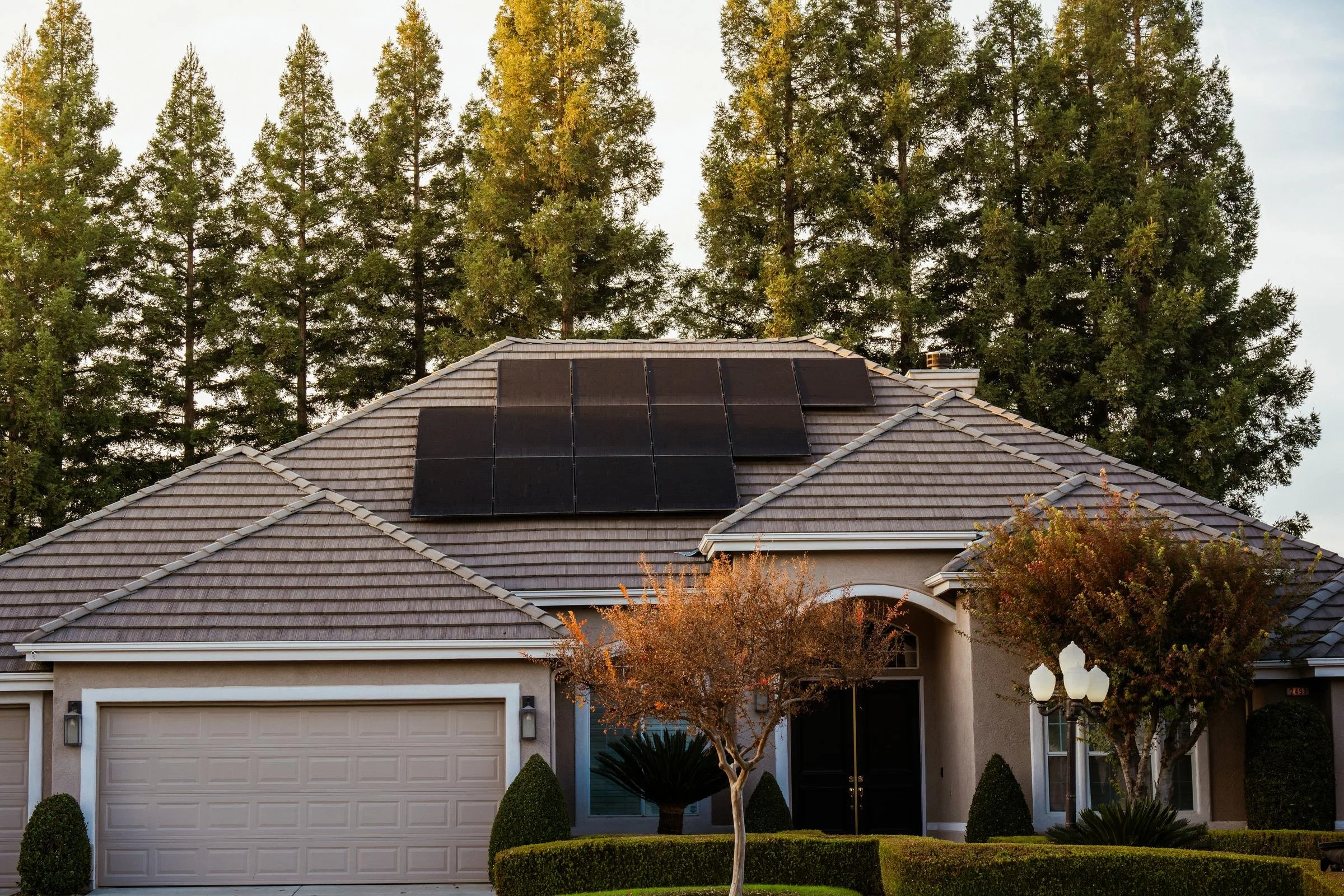
How a Solar Battery Keeps Your Family Powered
On average, a sustained grid outage lasts for 5.5 hours but can last much longer during storms or public safety power shutoffs. A lithium-ion battery pairs with existing solar panels to create an "island" for your home. This system can power essential loads like the refrigerator, Wi-Fi, and medical devices.
A smart inverter automatically disconnects from the grid in less than a second.
The system charges when electricity rates are low and discharges when they spike, a process known as time-of-use arbitrage.
Mobile app monitoring allows you to prioritize critical circuits with a simple tap.
Some providers offer a complete service, managing everything from equipment to permits. For example, an efficient solar battery from Sunrun can be part of a package that includes installation and compliance checks for a streamlined process.
Key Insight: A solar battery does more than provide outage protection. It actively saves you money by using stored solar power during peak utility rates, turning your home into a smart energy island.
Choose the Right Size: 3-Step Formula.
Calculating the right battery size for your needs is straightforward. Follow this simple formula to determine your required capacity.
Pull 12 months of utility data. Add the total kWh used and divide by 365 to find your daily average.
Decide on backup duration. Determine how many days of backup you want; most families choose one full day.
Calculate the required capacity. Use the formula: Daily kWh × Backup Days × 0.8 = Required Battery Capacity. For example: 28 kWh × 1 day × 0.8 efficiency factor ≈ 22 kWh. A single 13.5 kWh battery block can cover essentials, while two can run nearly the whole house.
Always cross-check your calculations with manufacturer spec sheets and installer recommendations.
Placement & Safety Basics
Proper placement is crucial for both the safety and efficiency of your solar battery. Keep these key guidelines in mind for your installation area.
Install in an indoor garage or on a shaded exterior wall with three feet of clearance on all sides.
Ensure the ambient temperature range is between 40 and 100°F and avoid flood-prone zones.
NEC 2023 requires a DC disconnect within sight, which your installer will handle.
Keep bicycles, lawn equipment, and solvents at least three feet away from the unit.
Important: Respect the three-foot clearance rule around your solar battery. Proper airflow is non-negotiable for safety and performance, so keep storage, equipment, and flammable materials at a safe distance.
Incentives & Financing Cheat Sheet
Several financial incentives can significantly reduce the net cost of a solar battery system. Look into these common programs to maximize your savings.
The 30% Federal Solar Tax Credit (ITC) applies to a battery if it charges at least 75% from solar energy.
Many states offer additional rebates, such as SGIP in California, the Bridge Incentive in New York, and ConnectedSolutions in Massachusetts.
As an example, a $12,000 system minus the 30% ITC becomes $8,400 net. If you add a $1,000 state rebate, your payback period could drop below seven years on a tiered time-of-use plan.
Weekend Timeline: Decision to Commission
Friday, 7 p.m. – Download your 12-month utility file and run the sizing formula.
Friday, 8 p.m. – Have a 20-minute call with an installer and book a Saturday site walk.
Saturday, 9 a.m. – A technician confirms placement and takes photos for permitting.
Saturday, Noon – Sign paperwork and upload your utility bill.
Saturday, 3 p.m. – Email an HOA notice if required.
Sunday – Relax. Gather your Wi-Fi password and breaker panel map before the crew arrives for installation.
Total homeowner hands-on time is approximately five hours.
Why Driveway Sealing Matters Now
Water intrusion is the primary enemy of pavement, as it expands tiny cracks through freeze-thaw cycles. At the same time, UV rays oxidize the asphalt's binding oils, turning flexible pavement brittle.
According to the Asphalt Institute, sealing is effective in renewing old asphalt surfaces that have become dry and brittle with age.
A fresh coat of sealant, like an asphalt-safe driveway sealing from Liquid Rubber, blocks moisture and sunlight. When done on pavement in good condition, crack sealing can add 5 years or more of service life.
Materials & Tools Checklist
Gathering the right materials and tools beforehand will make the sealing process smooth and efficient. Here’s a checklist of what you’ll need.
4–5 gallons of asphalt-safe sealant per 800 sq ft
Cold-pour crack filler and 1 quart of degreaser
18-inch fiber squeegee and a ½-inch drill mixer attachment
Painter’s tape, 3-mil gloves, safety glasses, and knee pads
Weather & Surface Prep Specs
Proper preparation is the most critical step for a long-lasting sealcoat. Pay close attention to weather conditions and surface prep.
Ensure air and surface temperatures are between 50–90°F with no rain expected 24 hours before and 48 hours after application.
Blow off all debris, then pressure-wash any oil spots with a degreaser.
Allow the surface to dry for a minimum of four hours.
Edge the grass with a string trimmer and apply painter's tape to the garage slab and any adjacent pavers.
Application Walk-Through
Once your driveway is prepped, the application process is methodical. Follow these steps for a professional-looking finish.
Stir: Use a drill mixer to stir each bucket for three minutes.
Cut in: Use a brush to create a 3-inch-wide border around the edges.
Squeegee: Pour a 1-gallon ribbon of sealant and pull it across the surface at a 45° angle. Coverage is approximately 100 sq ft per gallon.
Second coat: Apply a second coat in a perpendicular direction after four hours or once the first coat is dry to the touch.
Cure: Allow 24 hours before pedestrian traffic and 48 hours before driving vehicles on the surface.
Clean your tools with warm, soapy water immediately after use.
Pro Tip: Applying the second coat of sealant perpendicular to the first isn't just for looks. This technique ensures complete coverage, fills in any pinholes, and creates a stronger, more durable waterproof barrier.
Weekend Timeline & Common Mistakes
Saturday 8 a.m. – Complete all surface prep and fill cracks.
Saturday Noon – Apply the first coat of sealant.
Saturday 4 p.m. – Apply the second coat.
Sunday Morning – Remove tape and set up barricades to block traffic.
Avoid common mistakes like applying layers too thickly, which can cause peeling. Also, try to avoid working in direct midday sun, as this can cause flash-drying. Lastly, don't skip the crucial step of filling cracks first.
Important: Resist the urge to apply a thick coat of sealant. This common mistake leads to premature peeling and cracking. Two thin, even coats provide superior adhesion, flexibility, and long-term protection for your driveway.
The Path Forward
While your driveway cures, you are free to handle battery paperwork, set up the monitoring app, or simply enjoy your weekend. Going forward, you can set calendar reminders to maintain these upgrades.
Spring: Perform a battery firmware check and inspect the driveway for new cracks.
Fall: Re-seal any new cracks and test the battery's backup mode before winter.
The habits built this weekend create a maintenance rhythm that protects your home's critical systems. This protects everything from the energy that powers it to the pavement that welcomes you home.
Related:
