
Avoiding Common Home Selling Mistakes
Selling a residential property requires careful preparation and a clear strategy. Many homeowners rush into the real estate market without creating a detailed plan. The lack of preparation leads to preventable difficulties throughout the transaction.
Mistakes during the listing process can cost you thousands of dollars in equity. Learning about common traps helps you secure a much better deal. Safe choices protect your hard-earned financial investment.
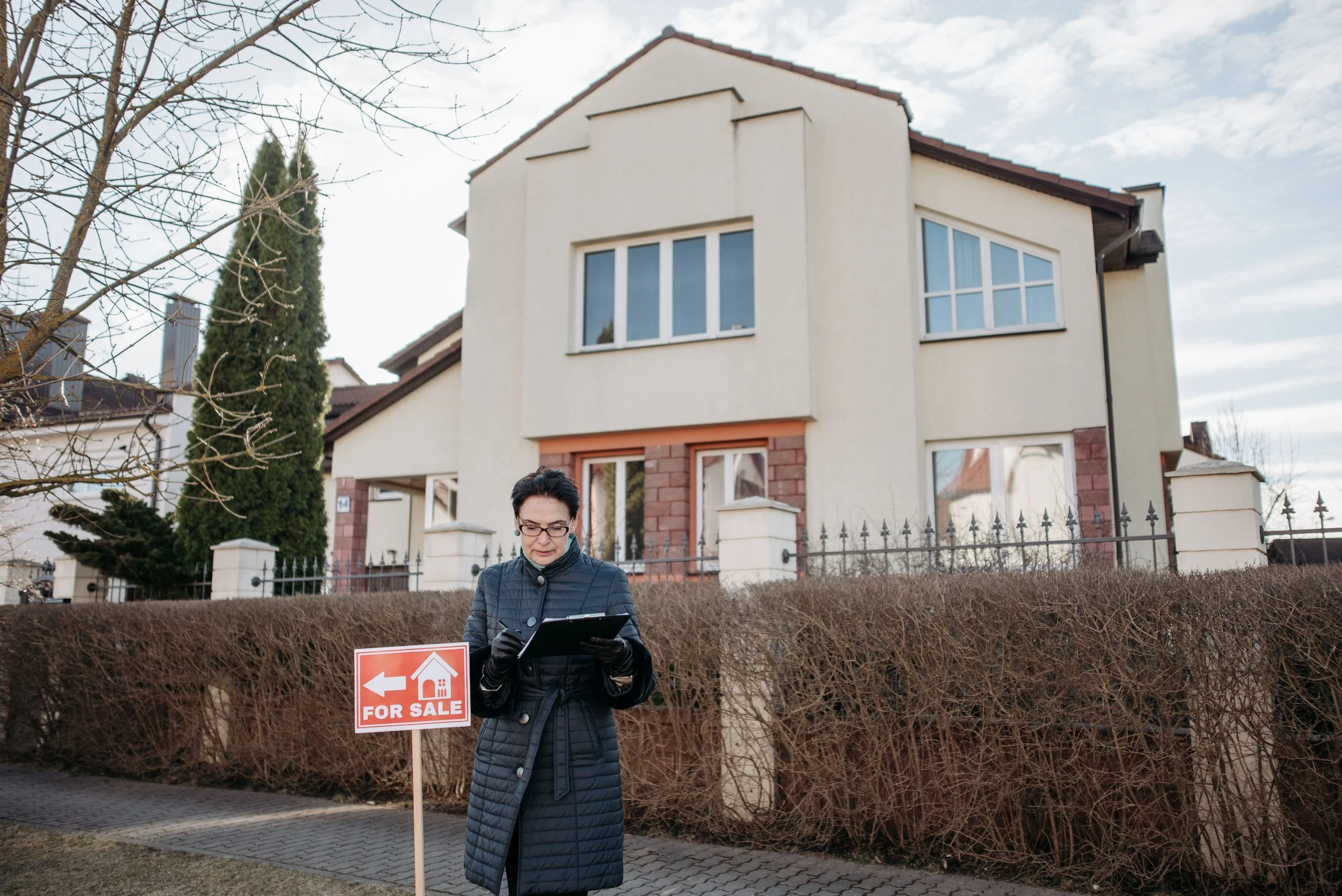
Setting The Wrong Price Tag
Setting the right initial value on a property requires deep research. If you are a homeowner and want to sell your house fast in Jacksonville, you need to analyze local market trends. Knowledge protects your equity from the start. Miscalculating the initial number discourages serious buyers from scheduling property tours.
A high price drives away people searching online within specific price filters. The property has been on the market for months without gaining any real traction. Stagnation forces deep price cuts that make buyers suspicious.
Correct pricing sparks immediate competitive interest from qualified buyers. Working with actual neighborhood sales data provides the most reliable baseline. A competitive price leads to faster closing times and cleaner offers.
Suffering From High Price Stagnation
Entering the market with an unrealistic number causes significant long-term problems. Buyers notice when a residential listing remains active for too many consecutive weeks. They assume the property has hidden physical defects that scared others away.
An analysis explains that wrong pricing reduces total property viewings. Buyers question the actual worth of the home after multiple reductions take place. The listing loses its fresh appeal and becomes stale. Fewer agents recommend the property to clients.
Keeping a house listed for months increases your monthly holding costs. You continue paying the mortgage, interest, and insurance on an empty property. Setting an accurate price prevents the unnecessary financial drain on your bank account.
Ignoring Current Market Conditions
Selling during a slow economic cycle demands extra patience and flexibility. Real estate trends shift constantly based on mortgage rates and employment numbers. Ignoring the shifts leads to intense frustration for the homeowner. You must look at the data objectively.
A report by PBS Newshour stated that previous home sales reached a 30-year low of 4.06 million recently. The flat line means sellers face stiffer competition for fewer active buyers in the area. Adapting to the shifts keeps your sales on track. Ignoring the market size slows down your progress.
Sellers must adjust their expectations when neighborhood housing inventory rises. Buyers possess significantly more leverage during the widespread market slowdowns. Understanding the local environment helps you make much smarter decisions.
Conditions also vary depending on the area you’re targeting, as local demand can shift dramatically from one zip code to the next. People looking for property around Fayette Count’s largest city are advised by their real estate agents in Peachtree City, GA to monitor recent comps closely before placing a firm bid. Relying on local market expertise helps buyers structure competitive offers while avoiding overpayment in shifting conditions. Partnering with experienced professionals ensures every stage of the transaction proceeds smoothly and efficiently.
Forgetting About Hidden Closing Costs
Many sellers calculate their profit based purely on the final contract price. They forget about the various fees required to finalize the real estate transaction. Unexpected expenses chip away at your final payout check.
A guide from Zillow notes that failing to calculate closing costs is a frequent mistake for property owners. These items often include professional fees and transfer taxes. Planning for the numbers prevents panic at the closing table.
Preparing a budget protects your finances before you sign the final papers. Budgeting for specific items prevents unnecessary financial stress:
Unpaid utility balances.
Homeowners association dues.
Moving company fees.
Using Poor Quality Listing Photos
First impressions happen online long before a buyer visits the physical property. Dark or blurry photos push people to swipe past your listing immediately. High-quality imagery captures positive attention and highlights the best features. Beautiful pictures make people want to see more.
Clean each room thoroughly before taking any promotional photographs for the web. Open the curtains to let natural light fill the living spaces. Clear spaces look much larger and more inviting on computer screens.
Investing in proper presentation makes your home stand out against competing properties. Buyers schedule tours when the online images look appealing and clean. Good visual media drives physical foot traffic to your open house.
Restricting Property Showing Times
Limiting the hours when buyers can view the house reduces your incoming offers. Buyers work diverse schedules and need flexible viewing windows during the week. Making the property accessible increases your chances of a successful sale. Strict rules turn away motivated house hunters.
Strong friction occurs when real estate agents face difficulty booking a home tour. They quickly move on to other available houses in the neighborhood. Keep the home clean so you can accommodate short-notice requests.
Ready access allows more people to tour the space each week. Increased foot traffic creates a sense of urgency among competing buyers. Flexibility speeds up the entire selling timeline significantly. Open doors lead to rapid responses from buyers.

Avoiding major missteps requires careful planning and constant market awareness. Homeowners who prepare their properties properly achieve far better financial results. Staying informed protects your investment throughout the transaction.
Taking the time to execute each step correctly pays off in the end. Smart choices lead to a smooth transition and a successful closing. Focus on strategy to achieve your real estate goals. Clear goals lead directly to home-selling success.
