
Mistakes That Drain Your Travel Money in Italy
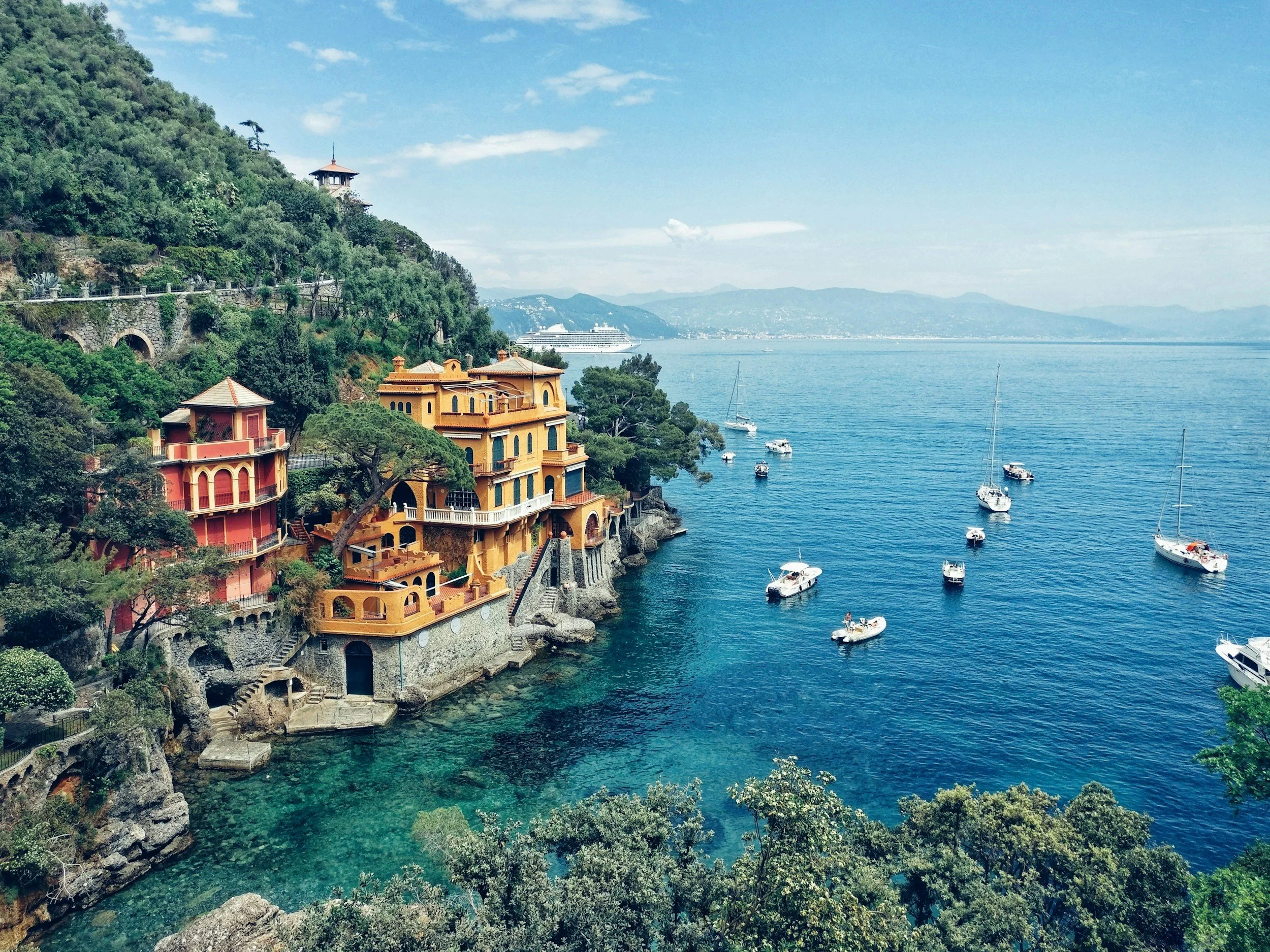
Whenever someone talks about traveling the world or exploring Europe, Italy is always mentioned. Indeed, it’s a beautiful country with an impressive range of activities to do and places to visit. Whether you want to island-hop, hike, cycle, or just relax, Italy will be your perfect destination.
But many new visitors often fall into rookie traps and end up spending too much. Truth be told, Italy is not an expensive country if you know some tips and tricks. Let’s learn how to avoid mistakes that drain your travel money there.
Using Only Taxis and Car-Sharing Services
If you own a car or don’t travel in Europe often, you might be intimidated to use the local public transport. That’s totally normal: some signs might be confusing, you’re not sure how to pay, what to do with the ticket, or switch transport in the middle of the route. Then, you will probably stick to taxis or car-sharing services, or even rent your own car for the time being.
Unfortunately, this will end up completely draining your travel money. Those services are not cheap, especially if you’re taking rides from and to the train station and airport, or going to the city center.
Italy's public transportation is very easy to navigate, regardless of where you're coming from. Signs are often available in English, and you can download public transport apps to check schedules. To use these apps, you'll likely need an internet connection. Without having to hunt for public Wi-Fi or pay hefty roaming fees for mobile data, make sure you get an eSIM plan for Italy.
That said, always validate your tickets when using transportation. Digital tickets are validated online, and paper tickets are validated on the platform. Otherwise, you will be fined.
Eating at Tourist-Trap Restaurants
Many tourists come to Italy for the food. The pasta, pizza, and seafood you find here are one-of-a-kind, and nothing could ever compete with the local cuisine. But not all restaurants are equal. Unfortunately, as you wander around the city center, you might stumble upon an extremely overpriced place, and you might not even know it.
Avoid places near busy attractions — these are very expensive and not that high-quality. Most of the time, they are created to serve specifically hungry and tired tourists, who don’t have any energy to look for a different place to eat.
If you do have a chance, make sure to look for smaller local places without a ton of tourists inside. The food there is much more delicious and authentic. While you’re there, be careful and use the best VPN available when connecting to the free Wi-Fi network, too — you never know when cybercriminals might target a tourist like you.
Staying in Tourist-Trap Hotels
Likewise, some hotels also cater to tourists who simply don’t want to search for a better option. If a city you’re going to visit is big, your best bet would be to look for places several blocks away from the center or the main tourist sights.
Hotels, rentals, and hostels in the center will be expensive, and, most often, not worth it: the price is that high for the location, not the accommodations themselves. Once you arrive, you might realize that the room you have booked is moldy, the sheets are stained, and the staff is rude, despite the huge price tag. Unfortunately, that’s just the reality of tourist traps.
Many affordable options are still relatively close. Additionally, you can look up what transport routes are nearby on the map apps. Both buses and trains in Italy are comfortable, quick, and affordable. In the end, paying for public transport or a taxi ride might be cheaper than booking an accommodation near the city center.
Travel to Italy Without Unnecessary Spending
Italy is an amazing destination that will make your jaw drop. But if you don’t know how to navigate the tourist traps like expensive hotels and overpriced restaurants, you will spend way more than you originally expected. Even if you’re not experienced, make sure to stick to the local public transport instead of taxis, look for smaller restaurants outside of busy tourist spots, and book hotels near the city center — not exactly in there. Then, you won’t spend extra!
