
Beet Seeds Guide for Planting and Garden Growth
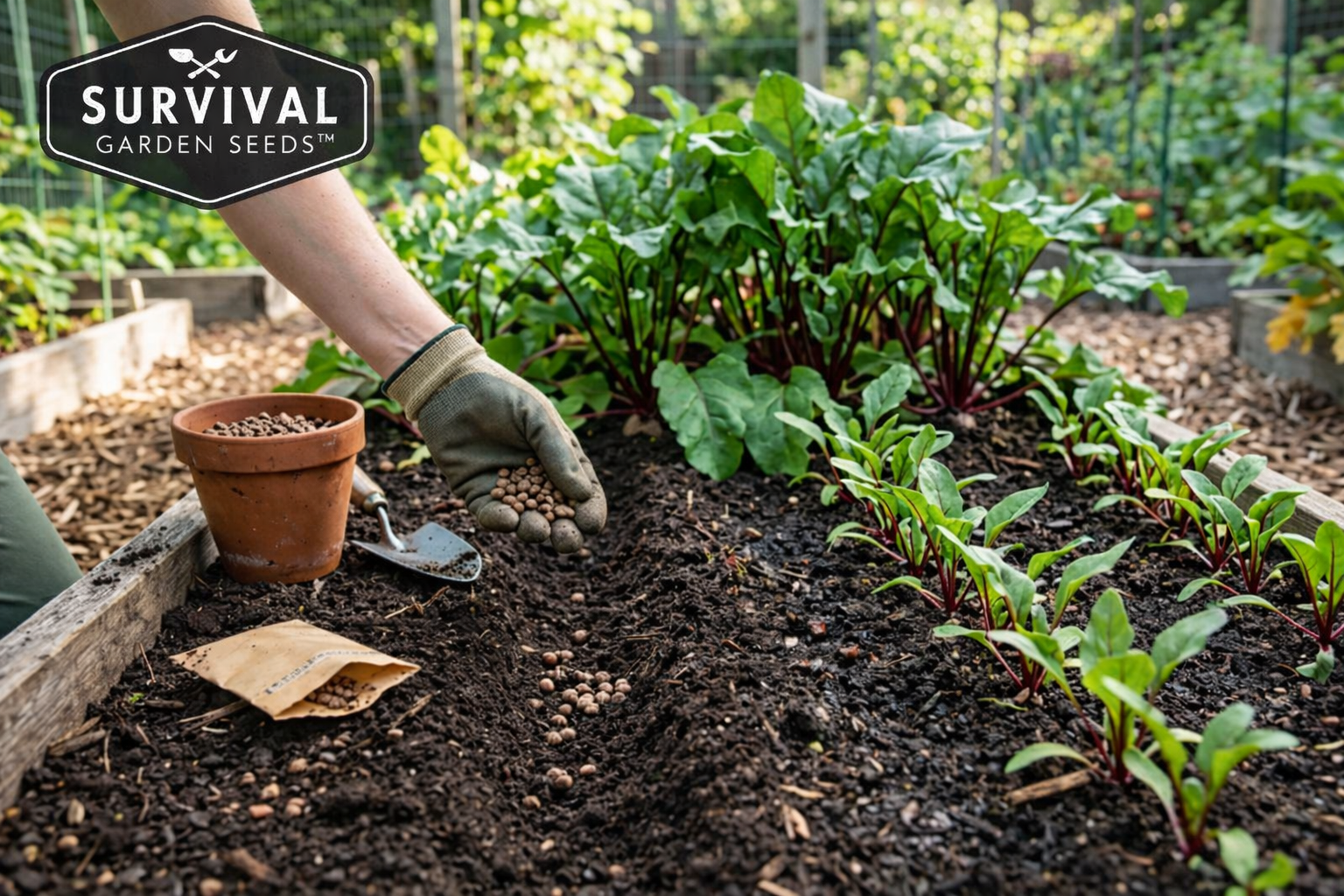
Growing beets from seed remains one of the most satisfying experiences a home gardener can have. These vibrant root vegetables offer something rare: every part of the plant is edible, from the earthy roots to the tender, nutrient-rich greens. Whether you're planning your first vegetable garden or looking to expand your existing plot, understanding how to select, plant, and nurture beet seeds will set you up for a rewarding harvest.
Beets are remarkably forgiving plants that thrive in most climates and soil conditions. They grow quickly, resist many common pests, and store well for months after harvest. This beet seeds guide for planting and garden growth will walk you through everything from choosing the right varieties to pulling those gorgeous roots from the soil. I've grown beets for over a decade, and I still get excited when those first seedlings push through the dirt each spring.
The secret to successful beet cultivation lies in understanding what these plants actually need, not what most gardening websites tell you they need. Let's get into the specifics that will make your beet harvest exceptional.
What Are Beet Seeds
Beet seeds are technically clusters of multiple seeds fused together, which explains why you often get several seedlings sprouting from a single "seed." This unique characteristic, called a multigerm seed cluster, means thinning becomes essential for proper root development. Each cluster contains two to four individual seeds encased in a corky fruit structure.
Characteristics of Beet Seeds
Beet seeds appear as small, irregularly shaped brown clusters roughly the size of a peppercorn. Their wrinkled, corky exterior protects the actual seeds inside and can slow germination if not properly prepared. Most beet seeds remain viable for three to four years when stored in cool, dry conditions, though germination rates decline after the second year.
The seeds germinate best in soil temperatures between 50 and 85 degrees Fahrenheit, with optimal germination occurring around 75 degrees. Expect seedlings to emerge within 5 to 17 days, depending on soil temperature and moisture levels.
Why Gardeners Grow Beets from Seeds
Direct seeding beets makes far more sense than transplanting for several practical reasons. Beet roots develop best when undisturbed, and transplanting often causes forked or misshapen roots. Seeds are also significantly cheaper than transplants, allowing you to plant larger quantities for succession harvesting.
Growing from seed gives you access to dozens of varieties that nurseries rarely stock as transplants. You control the growing conditions from day one, avoiding the risk of bringing home pests or diseases from garden centers.
Heirloom Beet Seeds vs Hybrid Varieties
Heirloom beet seeds come from varieties that have been grown for at least 50 years and reproduce true to type. Gardeners prize them for superior flavor, interesting colors, and the ability to save seeds for future seasons. Popular heirlooms include Chioggia with its candy-striped interior and Bull's Blood, known for its deep burgundy leaves.
Hybrid varieties result from crossing two different parent plants to achieve specific traits like disease resistance, uniform sizing, or faster maturity. They often outperform heirlooms in commercial settings but cannot be reliably saved for replanting. For home gardeners focused on flavor and self-sufficiency, heirloom beet seeds typically offer better value.
Popular Types of Beet Seeds
Selecting the right beet variety depends on your intended use, growing conditions, and personal taste preferences. Some varieties excel for fresh eating, while others store better or produce superior greens.
Detroit Dark Red Beet Seeds
Detroit Dark Red remains the most widely grown beet variety in North America, and for good reason. These beets produce uniformly round, deep red roots with excellent flavor and smooth texture. They mature in 55 to 60 days and reach about 3 inches in diameter at peak quality.
This variety tolerates a wide range of growing conditions and resists bolting better than many alternatives. The roots maintain their color when cooked, making them ideal for pickling and canning. Detroit Dark Red works equally well for fresh eating, roasting, or long-term storage.
Cylindra Beet Seeds for Slicing
Cylindra, sometimes called Formanova, produces elongated cylindrical roots rather than the typical globe shape. These roots grow 6 to 8 inches long and about 2 inches in diameter, yielding uniform slices perfect for pickling or adding to salads.
The cylindrical shape makes better use of garden space since the roots grow downward rather than outward. Cylindra matures in about 60 days and stores exceptionally well through winter. The flavor tends to be sweeter than that of round varieties, with a tender texture that holds up to cooking.
Golden and Ruby Beet Seed Varieties
Golden beets, such as Touchstone Gold and Boldor, offer a milder, less earthy flavor than red varieties. Their bright yellow flesh doesn't bleed when cut, making them popular for salads and dishes where color bleeding would be problematic. Golden varieties typically take 55 to 65 days to mature.
Ruby Queen produces deep red roots on compact plants, making it excellent for small gardens and containers. The roots reach maturity quickly at around 52 days and maintain quality even when harvested young. Albino or white beet varieties like Avalanche provide the mildest flavor and work well for gardeners who find traditional beets too earthy.
How to Plant Beet Seeds
Successful beet planting requires attention to timing, soil preparation, and proper seed placement. Getting these fundamentals right dramatically improves germination rates and root quality.
Best Time to Plant Beet Seeds
Beets prefer cool weather and can handle light frosts, making them ideal for early spring and fall planting. Start your first planting two to three weeks before your last expected frost date when soil temperatures reach at least 40 degrees Fahrenheit. Seeds germinate faster in warmer soil, but beets grow best when temperatures stay below 75 degrees.
For continuous harvest, plant new rows every two to three weeks until about six weeks before summer heat arrives. Resume planting in late summer, timing your last sowing eight to ten weeks before your first expected fall frost. In mild climates, beets can grow through winter with minimal protection.
Soil Preparation for Beet Seeds
Beets demand loose, well-draining soil free of rocks and debris that can cause forked roots. Work the soil to a depth of at least 8 inches, breaking up any clumps and removing stones larger than a marble. Heavy clay soils benefit from generous additions of compost or aged manure worked in several weeks before planting.
The ideal soil pH for beets ranges from 6.0 to 7.5. Beets are particularly sensitive to boron deficiency, which causes black spots in the roots. A light application of borax, about one tablespoon per 100 square feet, prevents this issue in most soils.
Proper Spacing and Planting Depth
Soak beet seeds in water for 12 to 24 hours before planting to soften the corky seed coat and speed germination. Plant seeds half an inch deep in rows spaced 12 to 18 inches apart. Space seeds about 1 inch apart within rows, knowing you'll thin them later.
After seedlings develop their first true leaves, thin to 3 to 4 inches apart for standard varieties or 2 inches for baby beets. The thinnings make excellent additions to salads. Thinning feels wasteful but proves essential since crowded beets produce small, misshapen roots.
Growing and Caring for Beet Plants
Once established, beets require consistent attention to water, nutrients, and potential problems. Proper care during the growing season directly impacts root size and flavor.
Sunlight and Watering Needs for Beets
Beets perform best with six to eight hours of direct sunlight daily, though they tolerate partial shade better than most root vegetables. In hot climates, afternoon shade actually improves growth by keeping soil temperatures moderate.
Consistent moisture matters more for beets than for many vegetables. Irregular watering causes a woody texture and white rings inside the roots. Aim for about 1 inch of water weekly, either from rainfall or irrigation. Mulching with straw or shredded leaves helps maintain even soil moisture and suppresses weeds.
Managing Beet Growth in Garden Beds
Side-dress beets with a balanced fertilizer or compost tea when plants reach 4 to 5 inches tall. Avoid high-nitrogen fertilizers that promote leafy growth at the expense of root development. A light application of wood ash provides potassium that enhances root sweetness.
Keep the area around the beets weed-free, especially during the first month when competition stunts growth. Hand-pull weeds carefully to avoid disturbing beet roots. As roots enlarge, they may push above the soil surface, which is normal and doesn't require covering.
Preventing Common Beet Growing Problems
Leaf miners create winding trails through beet leaves but rarely cause serious damage. Remove affected leaves and dispose of them away from the garden. Floating row covers prevent adult flies from laying eggs on plants.
Cercospora leaf spot appears as small tan spots with purple borders during humid weather. Space plants properly for air circulation and avoid overhead watering. Rotate beet plantings to different garden areas each year to prevent disease buildup in the soil.
Bolting, when beets send up flower stalks prematurely, results from temperature fluctuations or planting too early. Bolted beets develop woody roots and should be harvested immediately or composted.
Harvesting and Using Homegrown Beets
The harvest represents your reward for weeks of careful cultivation. Timing and technique matter for both quality and storage potential.
When to Harvest Beet Roots
Most beet varieties reach harvest size 50 to 70 days after planting, but you can pull them earlier for tender baby beets. Check root size by gently brushing soil away from the top of the root. Harvest when roots reach 1.5 to 3 inches in diameter for the best texture and flavor.
Beets left in the ground too long become woody and lose sweetness. However, they tolerate light frosts, which actually improve flavor by converting starches into sugars. In mild climates, leave fall-planted beets in the ground and harvest as needed through winter.
Using Beet Greens and Beet Roots
Beet greens rival spinach and chard for nutritional value and cook similarly. Harvest outer leaves throughout the growing season without damaging the plant's ability to produce roots. Young greens work raw in salads, while mature leaves benefit from a quick sauté with garlic and olive oil.
Fresh beet roots shine when roasted at 400 degrees until tender, typically 45 to 60 minutes depending on size. The skins slip off easily after roasting. Raw beets add crunch and color to salads when grated or thinly sliced. Pickling preserves the harvest for months and creates a tangy condiment for sandwiches and grain bowls.
Storing Beets After Harvest
Trim greens to within 1 inch of the root immediately after harvest since attached leaves draw moisture from the roots. Don't wash roots before storage; simply brush off loose soil. Store unwashed beets in perforated plastic bags in the refrigerator for two to three months.
For longer storage, pack beets in boxes of damp sand or sawdust and keep them in a cool location between 32 and 40 degrees. A root cellar, unheated garage, or basement works well. Properly stored beets remain edible for four to five months, providing homegrown vegetables well into winter.
Your Beet Growing Journey Starts Now
Growing beets from seed connects you to one of humanity's oldest cultivated vegetables while providing fresh, nutritious food for your table. The process from planting to harvest takes just two months, making beets perfect for gardeners seeking quick results.
Start with a reliable variety like Detroit Dark Red, prepare your soil properly, and maintain consistent moisture throughout the growing season. Your first successful harvest will likely lead to expanded plantings and experimentation with heirloom varieties you'll never find in stores.
The best time to plant your first beet seeds is right now, or as soon as your local conditions allow. Grab a packet of seeds, find a sunny spot in your garden, and discover why generations of gardeners have made beets a staple crop.
Related:
