
Top 6 Benefits Of Using Tissue Culture Over Traditional Seed Propagation
This is a contributed post.
The process of plant propagation is primary in agriculture and horticulture, but not every technique has been able to provide consistent results. Though traditional seed propagation has a lot of popularity, it is subject to uneven germination, inconsistent growth patterns, and exposure to more diseases.
This makes it hard to undertake early-stage planning, particularly when conditions of growth are unpredictable or hard to manage. To counter these difficulties, tissue-based propagation follows a more controlled growing process.
Plants grow out of tiny tissue cultures in sterile conditions where temperature, nutrients, and light are controlled. Due to this structure, reliance on external circumstances diminishes, supporting more predictable early development.
The process focuses on standardized treatment in every step as opposed to natural variation. Due to these reasons, tissue culture presents an alternative means of approaching propagation when uniformity and effectiveness are of great concern.
To help bring out this difference, let's discuss the comparison of this approach to the traditional seed propagation and why this approach is attracting increasing attention.
1. Controlled Growth Conditions from the Start
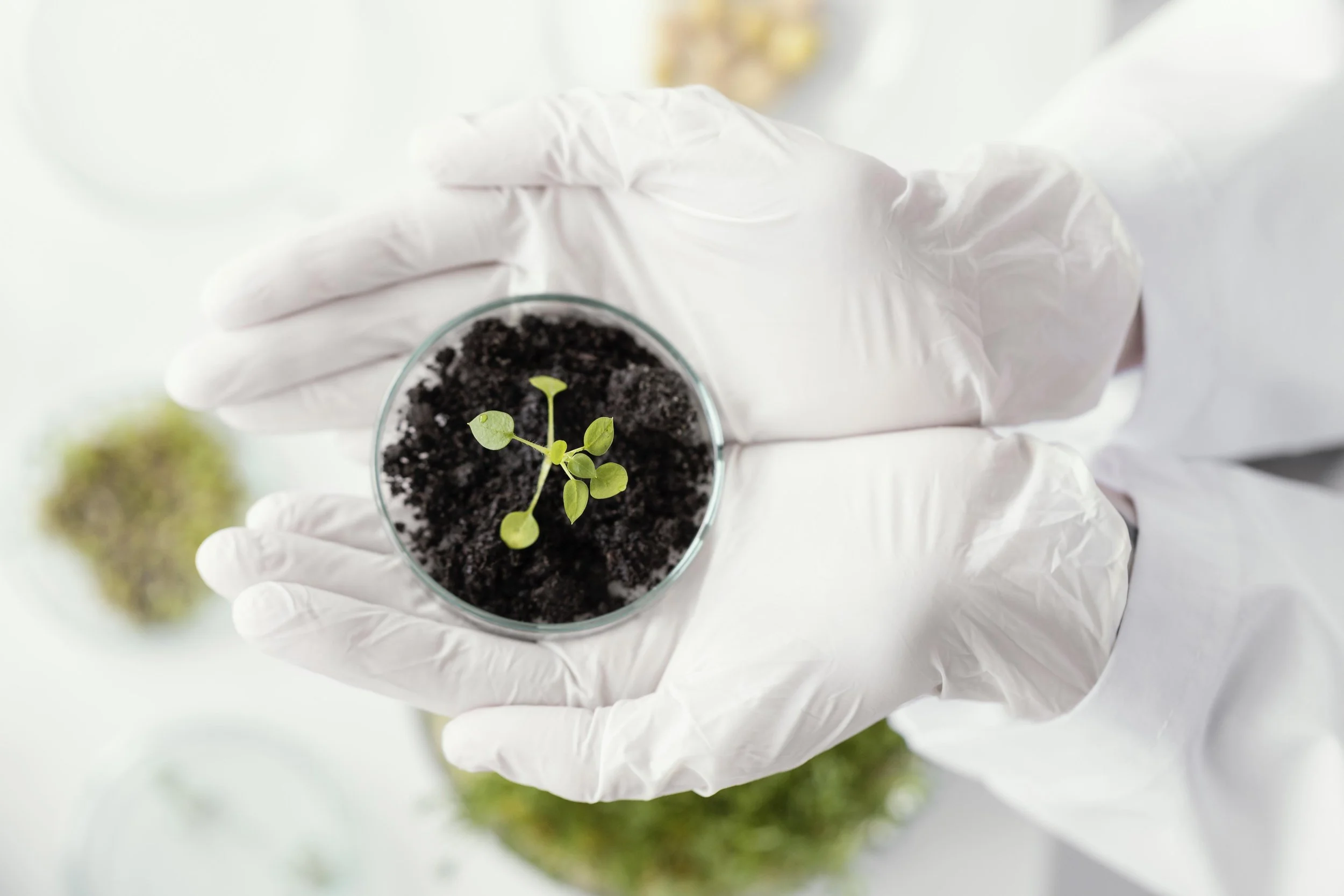
First of all, the most obvious difference lies in the growing environment. Tissue culture is conducted in highly regulated laboratory environments, in which extrinsic factors are restricted. Such a controlled environment, in its turn, can allow you to control the early development of the plants with more accuracy than in open or soil-based settings.
The temperature, humidity, nutrient availability, and light exposure are controlled in this environment. Consequently, plants grow without the need to adjust to the frequent changes in the external environment. This amount of consistency is particularly significant in the initial stages, at the time when plants are the most susceptible.
In comparison, seed propagation tends to be dependent on soil quality and weather patterns, which may differ significantly. Even the slightest changes can have an impact on germination and early development. By comparison, controlled environments minimize these uncertainties and provide a more predictable starting point.
2. Improved Consistency Across Plant Batches
The other important factor is plant uniformity. Diversification is common in plants grown in the soil, even when the seeds are of the same origin. As time passes, the growth rate, structure, and general development are different, and this may make spacing, feeding, and maintenance routines complicated.
This problem is overcome through tissue-based propagation. Since plants are chosen from a specific source and all grow by the same process, the characteristics will be less varied in the different batches. This uniformity, consequently, contributes to easier management and monitoring of routine care.
Moreover, balanced growth facilitates better planning. When plants act in a similar manner, changes become proactive and not reactive. In the long term, such predictability makes cultivation choices easier.
3. Reduced Risk of Early-Stage Disease Exposure
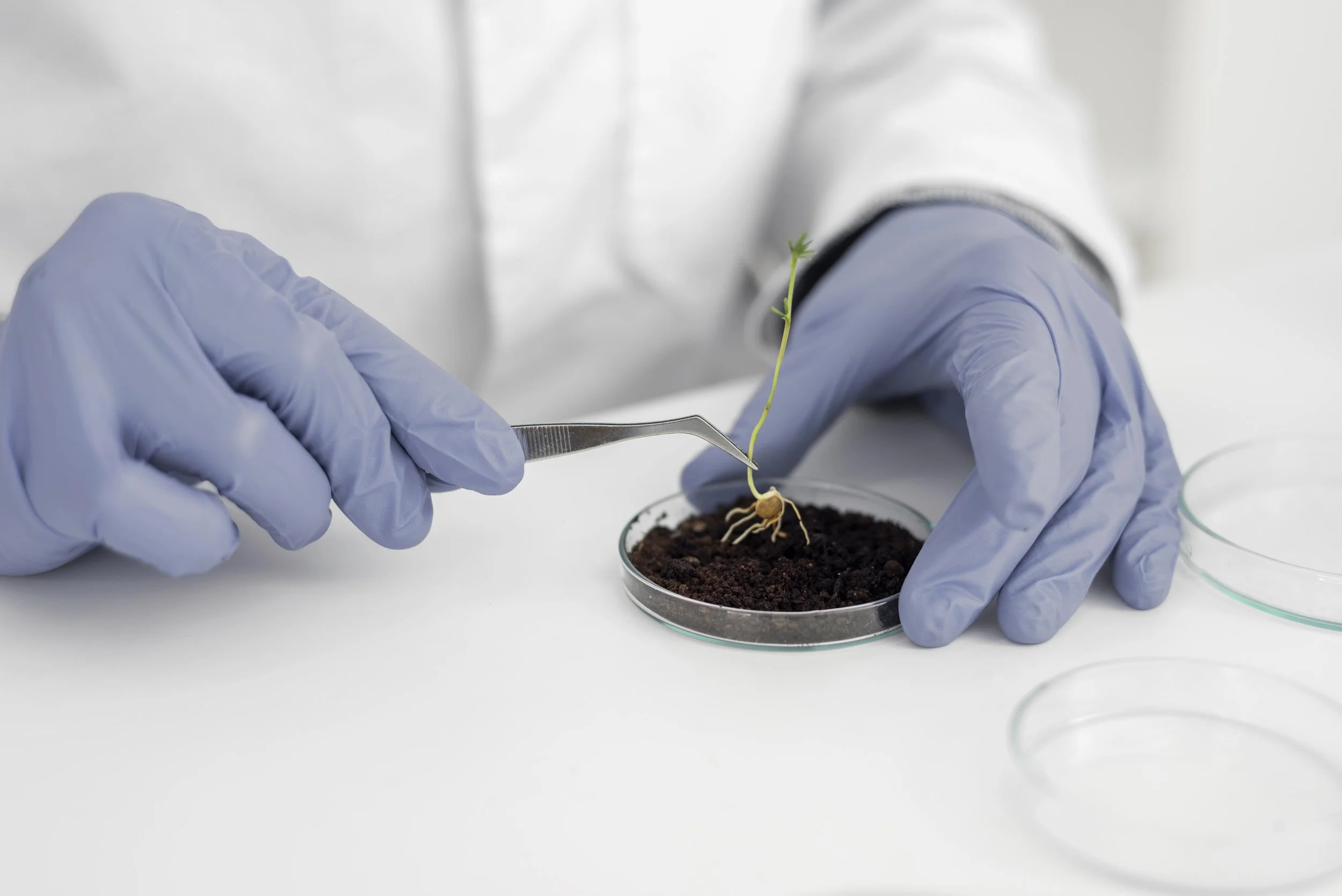
Another challenge with the traditional propagation method is disease management. Before the manifestation of the symptoms, the spread of the pathogens occurs with the help of soil, water, or seed material. Infections are hard to control and take a lot of resources and time after introduction.
Comparatively, tissue-based propagation starts with screened vegetation in sterile conditions. Since exposure is minimal at all times, the risk of bacteria, fungi, and viruses during early development stages may be reduced. Even though continued monitoring is still required, cleaner beginnings can contain avoidable risks.
As a result, a reduced level of contamination at an early stage will help you spend less time on handling repetitive problems. Instead, you can give more time to address stability in growth, which can benefit a greater degree of healthier propagation processes in general.
4. Faster and More Flexible Multiplication
Timing also contributes significantly to decisions in propagation. The propagation of seeds can take the form of waiting till the flowering, pollination, and maturation of the seeds before the next process can start. These measures, in turn, prolong schedules and cause dependency on the climate.
This process is reduced by tissue-based propagation. Cultures can grow more effectively by the use of actively growing plant material. When established, several plantlets grow within a reduced time period, and hence multiplication continues without the reliance on external cycles of growth.
Importantly, faster multiplication does not mean rushed development. Instead, it reflects a streamlined process that removes delays associated with seed formation. As a result, scheduling and output planning become more manageable.
5. More Efficient Use of Space and Inputs
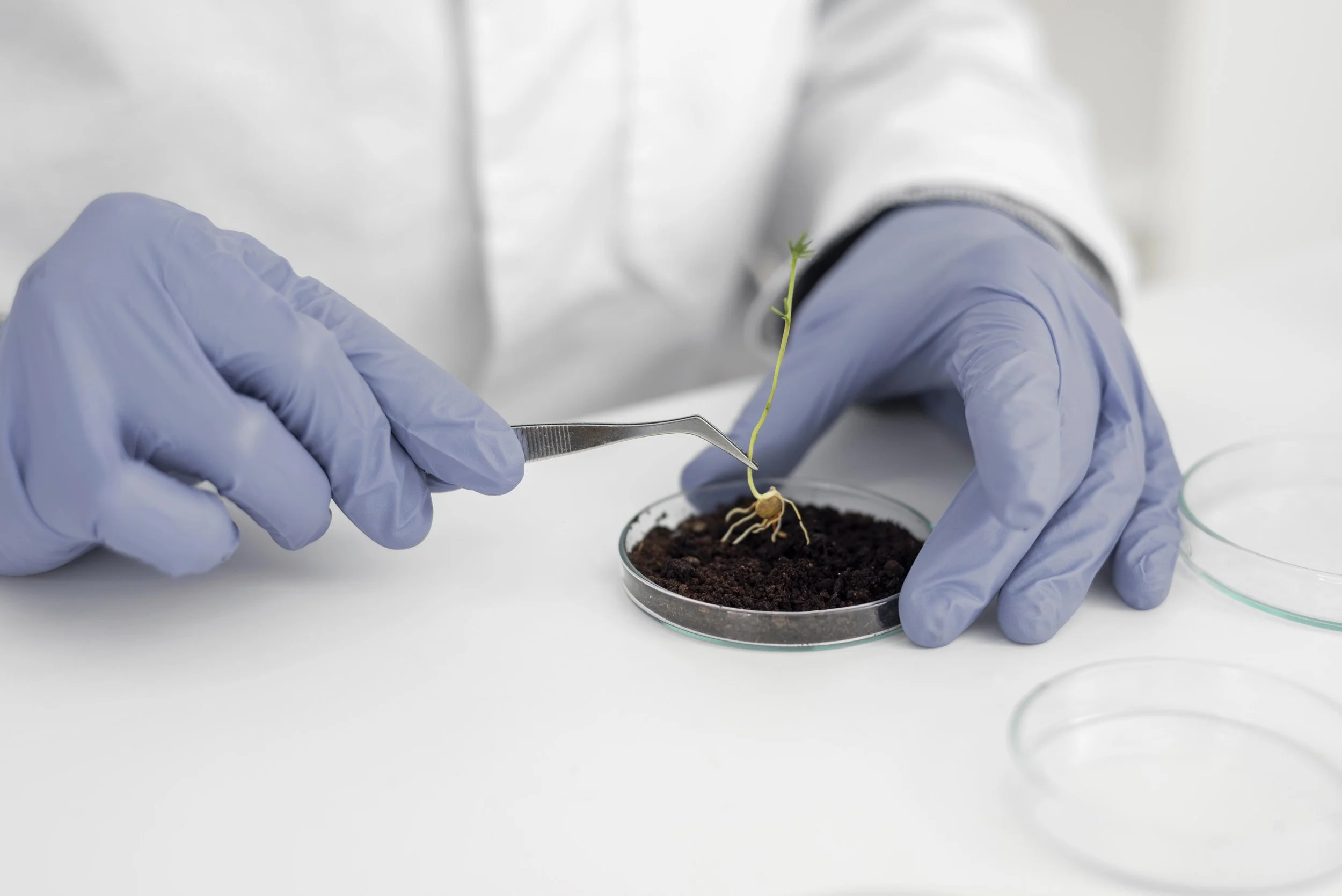
Space and resource use further differentiate these methods. Traditional propagation often requires large areas for planting, spacing, and soil preparation. Over time, these requirements increase land use and maintenance demands, especially when managing multiple growth stages.
By contrast, tissue culture systems operate indoors and frequently use vertical arrangements. This structure allows you to maximize limited space while maintaining controlled conditions. At the same time, nutrients reach plants through measured media rather than variable soil composition.
Because of this precision, resource planning improves. Instead of compensating for uneven conditions, inputs remain consistent and targeted, helping reduce unnecessary waste.
6. Greater Control Over Year-Round Production
Seasonal shifts influence seed availability, germination success, and plant survival. These factors limit when propagation can begin and how long production remains active.
Tissue-based propagation functions independently of outdoor seasons. Since growth occurs indoors, production can continue throughout the year as long as internal conditions remain stable. This flexibility supports continuous workflows rather than seasonal pauses.
Additionally, year-round availability allows quicker responses to changing needs. Instead of waiting for the next planting window, propagation begins when planning requires it.
Closing Perspective
Propagation methods shape how plants develop from the very beginning. Traditional seed propagation offers familiarity, yet often introduces variability, delays, and disease risks. Tissue culture focuses on control, consistency, and structured growth environments.
By understanding these differences, you gain clearer insight into how each method aligns with your goals. Whether consistency, efficiency, or planning flexibility matters most, informed choices begin with understanding how propagation approaches influence outcomes over time.
n collagen fibers. Proper indoor environments help minimize this effect and preserve leather integrity. Following routine care not only keeps your leather attractive but also helps maintain its physical properties over the years of use.
5. Understand Health, Environment, and Sustainability Factors
Leather is both extremely resistant to time, as well as a natural object, yet it does not remain out of the scope of the changes related to indoor air quality and sustainability. There has been some research on volatile organic compounds (VOC) emissions of leather furniture and their effect.
Results suggest that mid‑grade and low‑grade leathers can emit trace VOCs such as aliphatic aldehydes shortly after installation, though levels typically fall below thresholds considered hazardous. Choosing higher‑quality, well‑finished leather and properly ventilating your space after delivery can mitigate any initial odors.
Sustainability is also a growing priority. An updated life cycle assessment highlights the environmental footprint of modern leather production, including resource use and emissions across stages from tanning to processing. Awareness of these factors allows you to make informed choices that align with your values. If eco‑friendly materials are important to you, investigate responsibly produced leather or consider leather‑like bio‑based alternatives with lower environmental impact.
Conclusion
Choosing a leather sofa set is an important purchase for comfort, style, and quality of everyday living. By understanding leather variations, prioritizing sturdy construction, and measuring comfort relative to your space, you lay the foundation for a wise purchase.
Remember, how you care for your leather matters as much as what you buy. Thoughtful maintenance preserves the look and feel while supporting long‑term durability.
Finally, a properly selected and maintained leather sofa is no longer just some furniture, but a place of comfort and style that will last for decades.
Related:
