
5 Tips To Choose Leather Sofa Set: Expert Buying & Care
This is a contributed post.
Sometimes it can be quite difficult to choose a comfortable sofa. You desire something that is appealing in your home, one that endures over the years, and is easy to take care of. Too often, shoppers end up with a piece that looks good at first but shows wear, fades quickly, or feels uncomfortable. These are typical disappointments that have made many regret their choices.
Fortunately, this process can be made smarter in a systematic manner. You can be confident in picking the right sofa that suits your style and does not get old-fashioned and ugly by focusing on the most important things: material, construction, care, and use.
This article discusses five essential tips that help choose a leather sofa set that delivers quality, comfort, and value.
1. Understand Leather Types and Quality
One of the factors that should be considered when beginning the search is the type of leather. Consider leather just like hardwood; not every cut is equal, and higher qualities perform better.
Full-grain leather is made of the external portion of the skin. It is the most modern, durable, and luxurious because it does not require sanding, and the grain and strength are natural. Top-grain leather is processed to eliminate small imperfections to produce a smoother appearance with a slightly decreased life span.
Grains and bonded leather are cheaper options that wear faster and can peel or crack earlier after being corrected and bonded. Quality hides develop a rich, attractive patina over time when cared for properly. In choosing a sofa set with the right leather type, always inspect samples personally whenever possible. Feel the texture, note the finish, and ask for specifics on tanning and coating. These steps help ensure you select a version of leather suited to your usage and environment.
2. Evaluate Frame Structure and Construction
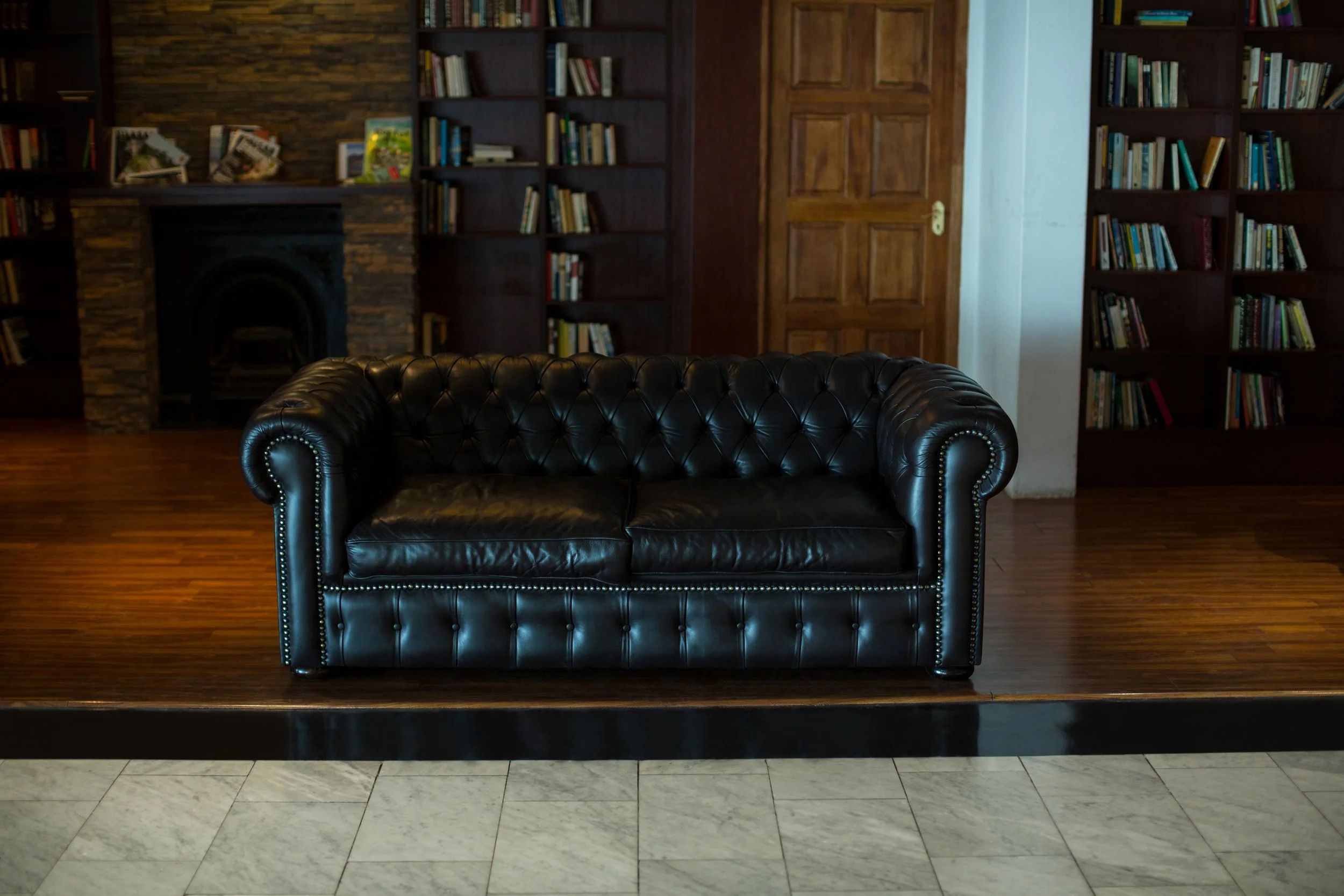
Leather is by no means the sole component in determining the longevity of a sofa. Frame and internal construction are also important. A durable frame will maintain the stability of your sofa and will help avoid collapse or creaking over time.
Look for hardwood frames such as kiln‑dried oak or beech that resist warping. Avoid softwoods and particleboards, which degrade more quickly. High‑quality sofas incorporate reinforced corner blocks at stress points.
The spring support below the cushions is also important. Sinuous springs or hand‑tied coil systems provide resilience and prevent early sagging. Cushions should have high‑density foam or a foam-and-down mix for comfortable support that bounces back after sitting. Before finalizing your choice, sit on several models to assess comfort and firmness. A sofa that feels good today should still feel supportive after months of use.
3. Prioritize Comfort and Space Fit
Comfort is personal, and the right dimensions matter. An excellent, comfortable sofa set has an ideal balance between room space, size, and ergonomics. First, measure your living space. Something that looks good may not be practical, as it may be sitting in the middle of the walking path or overcrowding a room.
Consider seat depth, back height, and cushion softness relative to your preferences. Taller individuals may prefer deeper seats, while shorter users may want less depth for easier sitting up.
While exploring contemporary designs, some stylish options integrate round or curved forms to soften a space visually. An overly firm or soft sofa may cause an uncomfortable feeling despite being a beautiful one.
4. Review Care and Maintenance Requirements
Once you have selected the sofa set, ongoing care determines how well it ages. Leather is a natural material that responds to humidity, temperature, and everyday use. Caring for it properly pays dividends in appearance and durability.
Wash with mild cleaning agents that are suggested by manufacturers. It should be dusted every now and then using a soft cloth to avoid accumulation. Most professionals recommend that leather be conditioned every 6-12 months as a way of remaining soft to avoid cracking. Avoid direct sun radiation and heat sources, which dehydrate fibers in leather furniture.
Scientific investigations show that leather exposed to high temperatures and humidity can age prematurely due to structural changes in collagen fibers. Proper indoor environments help minimize this effect and preserve leather integrity. Following routine care not only keeps your leather attractive but also helps maintain its physical properties over the years of use.
5. Understand Health, Environment, and Sustainability Factors
Leather is both extremely resistant to time, as well as a natural object, yet it does not remain out of the scope of the changes related to indoor air quality and sustainability. There has been some research on volatile organic compounds (VOC) emissions of leather furniture and their effect.
Results suggest that mid‑grade and low‑grade leathers can emit trace VOCs such as aliphatic aldehydes shortly after installation, though levels typically fall below thresholds considered hazardous. Choosing higher‑quality, well‑finished leather and properly ventilating your space after delivery can mitigate any initial odors.
Sustainability is also a growing priority. An updated life cycle assessment highlights the environmental footprint of modern leather production, including resource use and emissions across stages from tanning to processing. Awareness of these factors allows you to make informed choices that align with your values. If eco‑friendly materials are important to you, investigate responsibly produced leather or consider leather‑like bio‑based alternatives with lower environmental impact.
Conclusion
Choosing a leather sofa set is an important purchase for comfort, style, and quality of everyday living. By understanding leather variations, prioritizing sturdy construction, and measuring comfort relative to your space, you lay the foundation for a wise purchase.
Remember, how you care for your leather matters as much as what you buy. Thoughtful maintenance preserves the look and feel while supporting long‑term durability.
Finally, a properly selected and maintained leather sofa is no longer just some furniture, but a place of comfort and style that will last for decades.
Related:
