
Building Better Behavior Habits for Your Dog at Any Age
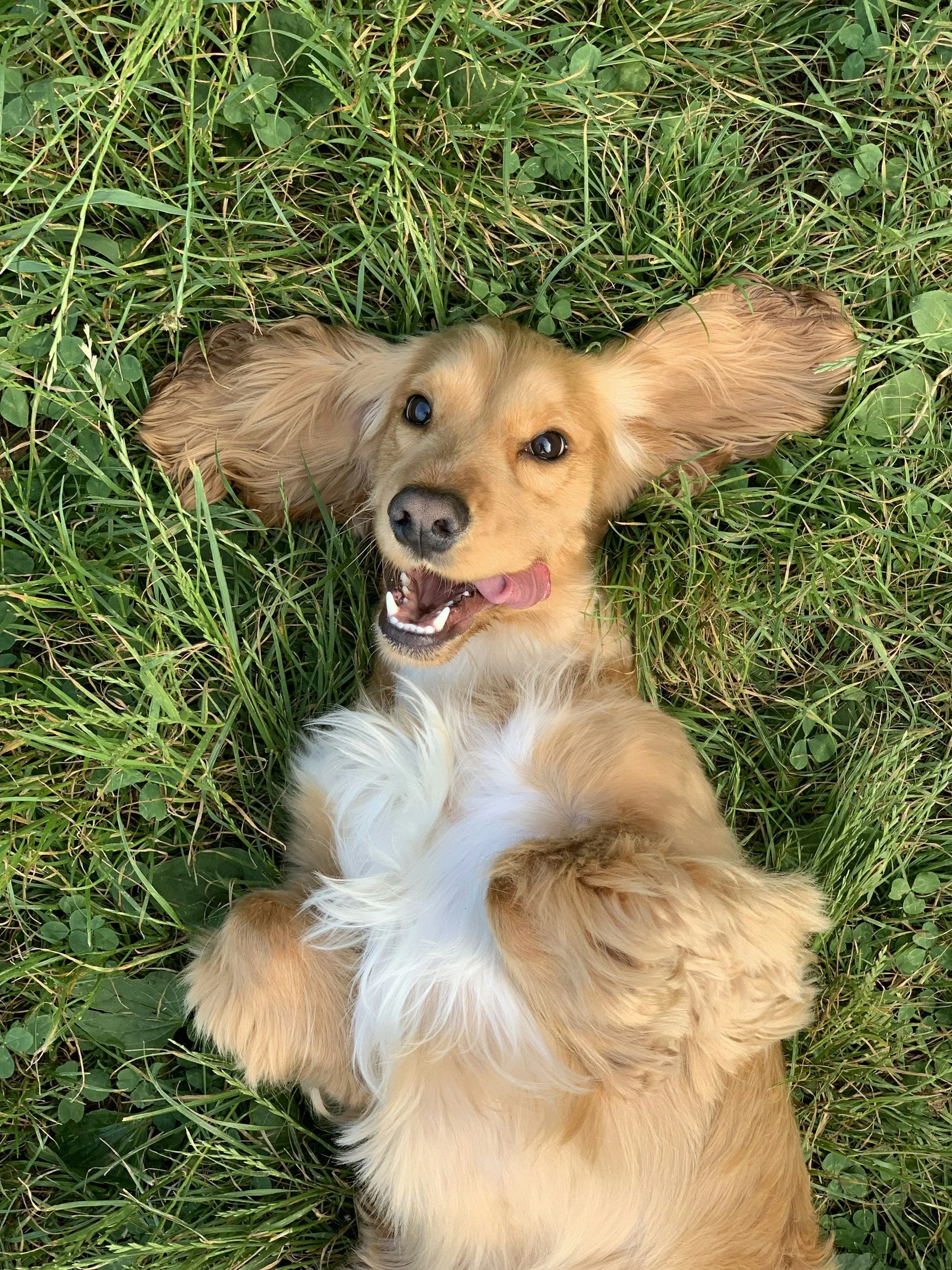
Good behavior in dogs does not happen by chance. Whether training a young puppy or helping an older dog adjust, consistent guidance and structure are key. Building positive habits early and reinforcing them throughout life helps create a calm and confident companion.
Understanding Canine Learning
Dogs learn through association and repetition. They repeat behaviors that earn rewards and avoid those that do not. This basic principle applies to every stage of development, from playful puppies to mature adults.
When guiding behavior, timing is critical. A reward or correction must come directly after the action to help the dog connect cause and effect. Using clear signals and consistent routines allows learning to become second nature.
Creating a Foundation for Good Habits
Before addressing complex commands, focus on basic manners. Simple cues such as “sit,” “stay,” and “come” form the foundation for polite behavior. These skills also help manage excitement and build impulse control.
Keep training sessions short and positive.
Use calm praise and healthy treats as motivation.
End on a successful note to build confidence.
Consistency at home is just as important. Everyone in the household should use the same cues and expectations. Mixed messages can confuse a dog and slow progress.
Adapting Training for Different Ages
Puppies learn quickly but have short attention spans. Their training should focus on socialization, gentle exposure to new experiences, and basic skills. Early success prevents unwanted behaviors from forming later.
Adolescent dogs often test boundaries. Reinforcing structure during this stage helps them mature into well-behaved adults. Older dogs may require patience and slower pacing, but they are capable of learning new habits through repetition and trust.
Addressing Common Behavioral Challenges
Issues such as pulling on the leash, jumping on guests, or barking excessively are common. Instead of punishment, redirect the dog toward an acceptable behavior. For example, teach a solid “sit” before greeting visitors or reward quiet moments during walks.
Professional guidance can make a significant difference. Structured programs like dog training in Mississauga and dog training in Markham offer tailored approaches that help both new and experienced owners strengthen communication and consistency.
Encouraging Lifelong Learning
Training should not stop once a dog learns the basics. Regular practice maintains skills and provides mental stimulation. Introducing new games or tricks keeps learning enjoyable and prevents boredom-related behaviors.
Exercise, enrichment, and predictable routines all support better behavior. Dogs thrive when they understand expectations and receive positive feedback for meeting them.
Building a Strong Relationship Through Training
Beyond obedience, training deepens the bond between owner and dog. Each session builds trust and mutual respect. When communication is clear and positive, the dog feels secure and eager to cooperate.
By focusing on patience, consistency, and understanding, any dog—young or old—can develop lasting good habits. A well-trained dog is not only easier to live with but also happier and more confident in every environment.
