
Choosing the Right Horse: A Look at Owning Different Breeds
This is a contributed post.
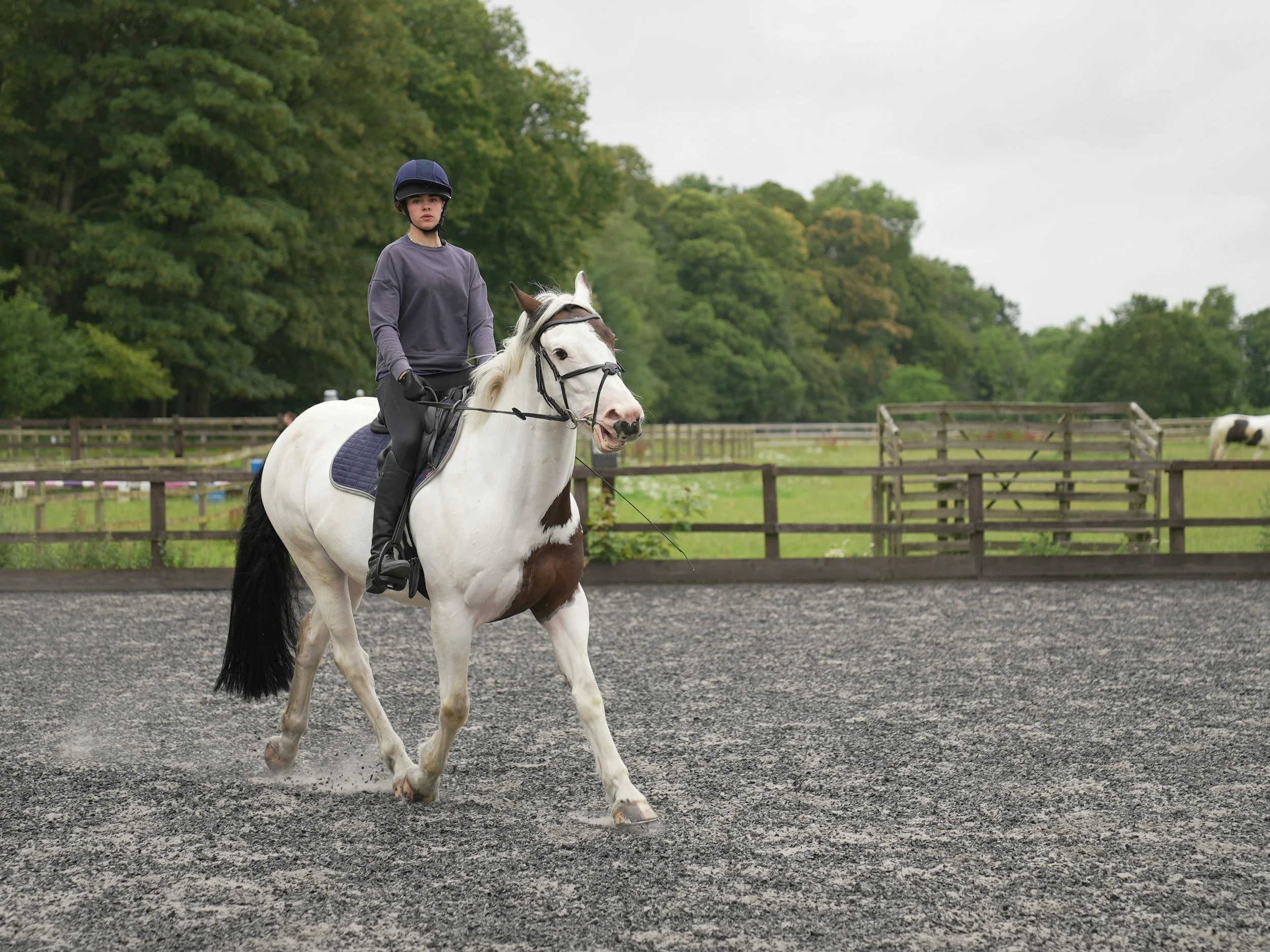
Owning a horse is a dream for many, but the transition from "horse lover" to "horse owner" requires more than just a fenced-in pasture and a saddle. Horses are as diverse as the people who ride them, and choosing the right breed is the single most important decision you’ll make in your equestrian journey. Whether you are looking for a gentle trail companion, a high-octane athlete, or a versatile family partner, understanding breed characteristics will ensure a harmonious relationship for years to come.
Assessing Your Goals and Skill Level
Before falling in love with a specific look or color, you must be honest about your riding abilities and your long-term goals. A common mistake among first-time buyers is "over-horsing" themselves—buying a horse with more energy or athletic potential than they can safely handle.
The Beginner/Pleasure Rider: Look for breeds known for their "cold-blooded" temperament. These horses are generally calmer, less reactive, and more forgiving of rider errors.
The Aspiring Competitor: If you want to jump, barrel race, or perform dressage, you need a breed specifically refined for those disciplines.
The Family Horse: If children or multiple family members will be riding, versatility and a steady "bombproof" nature are non-negotiable.
Popular Breeds and Their Unique Traits
The United States is home to a massive variety of breeds, each developed for specific tasks. Here is a breakdown of some of the most popular choices found in American stables today.
The American Quarter Horse: The Ultimate All-Rounder
The Quarter Horse is arguably the most popular breed in the U.S., and for good reason. Known for their "cow sense," powerful hindquarters, and incredibly levelheaded nature, they excel in almost everything. From western pleasure and reining to English hunt seat, the Quarter Horse is a fantastic choice for beginners and pros alike.
The Thoroughbred: The Athlete’s Choice
If you have a need for speed and stamina, the Thoroughbred is the gold standard. While they are famous for racing, retired racehorses (often called OTTBs) are frequently transitioned into second careers in jumping and eventing. However, they are "hot-blooded" and sensitive, meaning they usually require a more experienced hand.
The Arabian: Intelligence and Endurance
The Arabian is one of the oldest horse breeds in the world. They are easily identified by their dished facial profiles and high tail carriage. Arabians are incredibly intelligent and form deep bonds with their owners, but their high energy levels make them best suited for endurance riding rather than slow, lazy trail walks.
Specialty Breeds and Color Preferences
For some riders, the aesthetic of the horse is just as important as the temperament. Certain breeds are defined by their unique gaits or striking coat colors.
The Versatility of Stock Horses
When searching for a new partner, many riders look for "stock type" horses that combine a sturdy build with eye-catching colors. It is not uncommon for enthusiasts to browse listings for Palomino horses for sale when they want a mount that stands out in the show ring with a golden coat and white mane, while still maintaining the dependable temperament often found in Quarter Horse or Paint lineages.
Gaited Breeds: The Smooth Ride
If you have back pain or simply prefer a smoother experience, gaited horses like the Tennessee Walking Horse or the Missouri Fox Trotter are excellent choices. Instead of the jarring "bounce" of a trot, these horses perform a four-beat rhythmic gait that allows the rider to sit almost perfectly still.
Considerations Beyond the Breed
While breed profiles provide a great roadmap, it is vital to remember that every horse is an individual. A "hot" breed might produce a calm individual, and a "calm" breed might have an outlier that is high-strung.
1. Age Matters
There is an old saying in the horse world: "Green on green makes black and blue." This means a "green" (inexperienced) rider should never be paired with a "green" horse. Often, a "grade" horse (a horse of unknown breeding) that is 15 years old is a much better investment for a beginner than a registered three-year-old Thoroughbred.
2. Maintenance and Keeping
Some breeds are "easy keepers," meaning they maintain weight on very little grain. Others, particularly larger breeds or high-energy Thoroughbreds, require significant caloric intake and specialized shoeing. Always factor in the monthly cost of hay, grain, and farrier visits when choosing your breed.
3. Pre-Purchase Exams
No matter the breed, never skip the Pre-Purchase Exam (PPE). A qualified veterinarian can check for underlying health issues, conformation flaws, or lameness that might not be visible to the naked eye. This is the best way to protect your investment and ensure your new friend is fit for the job you have in mind.
Finding Your Perfect Match
Choosing a horse is a journey that should be taken with patience. Visit different barns, talk to trainers, and if possible, lease a horse of a specific breed before committing to a purchase. By aligning your personal goals with the natural tendencies of the breed, you set yourself up for a rewarding, lifelong partnership.
Related:
