
Why You Should Never Leave Your Home Without A Jumper Cable
This is a contributed post.
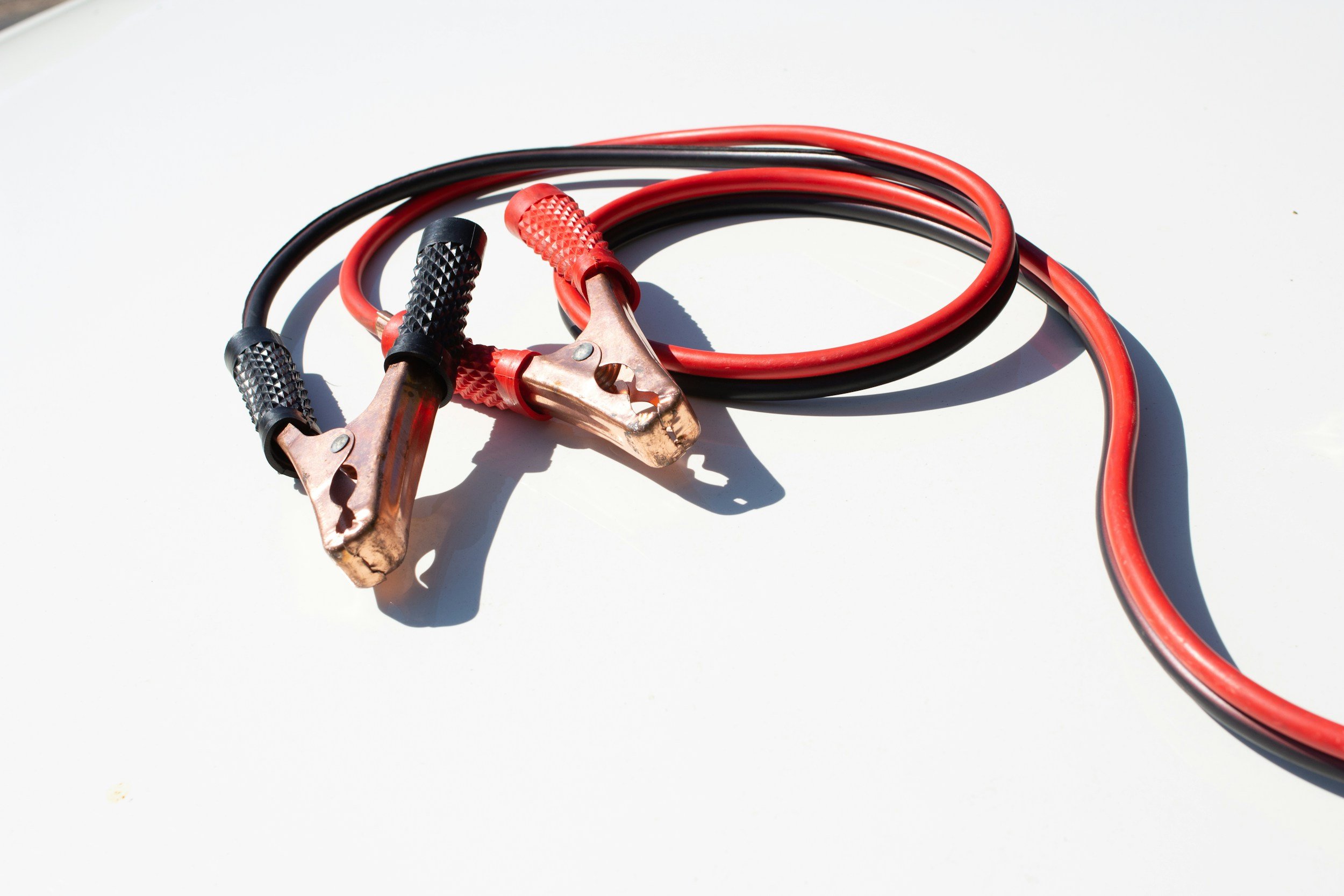
A dead battery is one of the most common and inconvenient vehicle problems drivers face. It often happens without warning—leaving you stranded in a parking lot, driveway, or on the side of the road. Cold weather, aging batteries, short trips, and electrical drain all increase the likelihood of sudden failure. This is why keeping jumper cables in your vehicle is one of the simplest and smartest preparedness steps a driver can take.
Jumper cables provide immediate access to a solution when a battery dies unexpectedly. Instead of waiting for roadside assistance or relying on a stranger’s help, having your own cables gives you control over the situation. Understanding when batteries fail and how to jump-start safely helps drivers respond quickly and avoid further damage.
When Your Battery Suddenly Dies
Battery failure often feels sudden, but it’s usually the result of gradual decline combined with the right conditions. Batteries lose capacity over time, and cold temperatures slow chemical reactions inside the battery, reducing available power. At the same time, engines require more energy to start in cold conditions, increasing demand.
Short trips are another major contributor. Vehicles driven primarily on short commutes don’t allow the alternator enough time to fully recharge the battery. Over weeks or months, this leads to gradual discharge and eventual failure.
Electrical drain can also play a role. Interior lights, infotainment systems, alarms, and keyless entry features draw power even when the vehicle is off. If the battery is already weak, these small drains can push it past its limit.
Dead batteries often reveal themselves at the worst possible times. A vehicle may start fine the day before and fail completely the next morning. Clicking noises, dim lights, or no response at all are common symptoms. In these moments, having jumper cables readily available can mean the difference between getting back on the road quickly and being stuck waiting for help.
Some drivers choose to supplement jumper cables with portable solutions. A jump starter offers added convenience by allowing jump-starts without another vehicle. While jump starters are extremely useful, jumper cables remain a reliable, low-maintenance backup that never requires charging.
Knowing how and when to jump-start also helps prevent panic. When a battery suddenly dies, drivers who are prepared can act calmly, connect cables properly, and restore power safely.
Mistakes to Avoid When Jump Starting
While jump-starting is straightforward, mistakes can cause serious electrical damage or personal injury. One of the most common errors is connecting cables in the wrong order. Reversing polarity can damage fuses, sensors, and control modules instantly. Always verify positive and negative terminals before making connections.
Loose or poorly attached clamps are another frequent issue. Weak connections can cause sparking, inconsistent power transfer, or failed jump attempts. Ensuring clamps are securely attached to clean metal surfaces improves safety and effectiveness.
Allowing vehicles to touch during a jump-start is also risky. Vehicles should be parked close enough for cable reach but not in contact with each other. Metal-to-metal contact increases the risk of short circuits.
Many drivers make the mistake of revving the engine excessively during a jump-start. High engine speeds can send voltage spikes through the electrical system, potentially damaging sensitive electronics. A steady idle is usually sufficient to transfer power.
Jump-starting a vehicle with an underlying issue can cause repeated failures. If a vehicle continues to die shortly after being jump-started, the problem may not be the battery alone. Components such as the car starter or charging system may be failing, and continued jump-starts can strain these parts further.
Disconnecting cables improperly is another mistake. Removing cables in the wrong order or allowing clamps to touch can cause sparks. Disconnecting in reverse order of installation reduces risk and ensures safety.
Ignoring safety precautions can also be dangerous. Jump-starting should always be done with vehicles in park or neutral, parking brakes engaged, and accessories turned off. Wearing gloves and eye protection adds an extra layer of safety, especially in low-light or cold conditions.
Finally, relying solely on memory can lead to errors. Keeping instructions with your jumper cables or reviewing proper steps periodically ensures you’re ready when the situation arises.
A dead battery can happen to any driver, often without warning and at the most inconvenient times. Carrying jumper cables provides a simple, reliable solution that keeps you prepared for sudden battery failure. Understanding when batteries die and avoiding common jump-start mistakes helps protect your vehicle’s electrical system and ensures a safe restart. Whether paired with a portable jump starter or used on their own, jumper cables are an essential emergency tool no driver should be without.
Related:
