
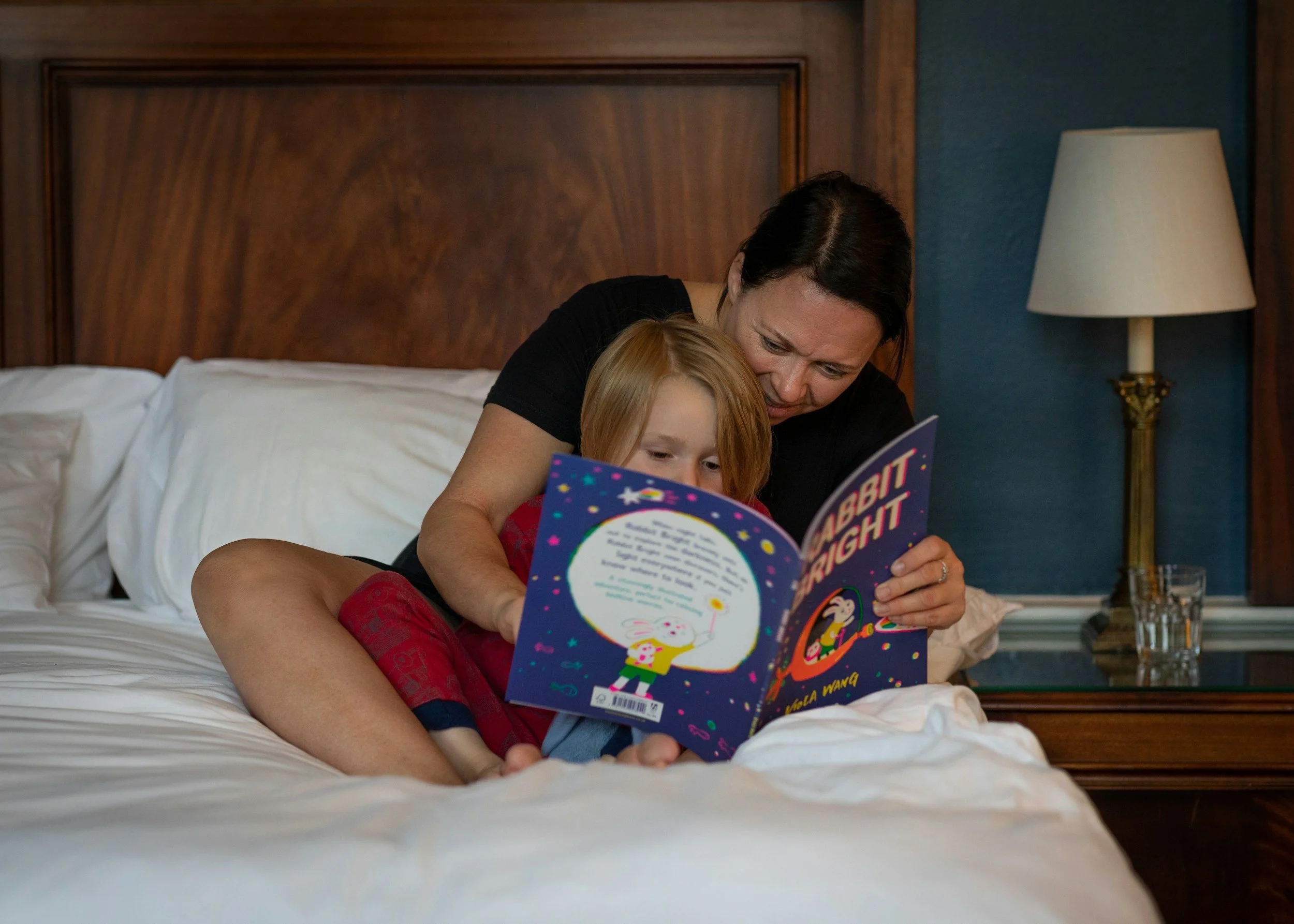
Poor sleep can affect attention, memory, mood, and emotional regulation in both children and adults. However, persistent behavioural or developmental concerns should not automatically be attributed to tiredness. For parents experiencing ongoing insomnia, loud snoring, or daytime sleepiness, an assessment for Sleep Disorder Treatment can help identify the cause and guide appropriate care.
A tough morning may start the night before. Your child refuses to get dressed, irritation escalates to argument, and suddenly you're out of patience before you know it. Sleep may be one clue, but knowing the truth about what is going on while they're sleeping is more helpful than just telling everyone to go to bed earlier.
Sleep needs also change over the course of life. The US National Institutes of Health advises 10 to 13 hours every 24 hours for kids three to five years old, nine to 12 hours for ages 6 to 12, and eight to 10 hours for ages 13 to 18. These averages also take naps into account.
If difficulties with communication, learning, sensory responses, or daily activities continue, discuss them with your child’s paediatrician. A Child Development Center may support assessment and individualised intervention when appropriate. Reviewing sleep can complement this process, but it should not delay evaluation of persistent developmental concerns.
Tired Children Do Not Always Look Sleepy
Adults can think of yawning and trying to stay awake as you haven't slept properly. But children may not think of these things at all.
As per the National Heart, Lung and Blood Institute, kids who have bad sleep habits can become hyperactive, impulsive or moody. Sleep deprivation may affect their attention span and mood.
The above mentioned symptoms do not apply to only sleep disorders. When a kid finds it hard to concentrate, you should investigate other reasons behind it. Although the sleep history is very useful, it does not help in confirming or dismissing any developmental condition.
Ask your kid's teacher what he has observed. Is your child sleeping more, hyperactive or less attentive at certain times? According to the American Academy of Pediatrics, you need to discuss daytime fatigue and learning problems with your child's teacher and pediatrician.
Check Sleep Quality Alongside Sleep Duration
Going to bed early doesn't equal sleep. "Sleepless" nights have waking periods and stoppage of breathing during sleep.
According to the American Academy of Pediatrics, potential indicators of sleep apnoea in children may include snoring frequently, breathing problems during the night, sleepiness, difficulties in concentrating and behavioral problems. It is preferable to show the described symptoms to your child's pediatrician than to think that snoring loudly means sleeping calmly.
The child may have high and enlarged tonsils and adenoids which obstruct the respiratory tract; however, not all children having enlarged tonsils have sleep apnoea. Depending on the patient and clinical findings, the diagnosis includes a physical examination and sleep test. The treatment is unique for each child.
There are two kinds of therapy that deal with the various aspects. Sometimes a child needs both therapies at once, and the specialist and sleep therapist can coordinate their views and give common recommendations.
Keep a Simple Record Before Changing Everything
Completing a sleep diary is useful to make your consultation productive. Make sure you write down times of going to bed, times of falling asleep, times of waking at night, times of getting up in the morning, and nap times.
Don't forget to add information about snoring, mouth breathing, unusual restless sleep, or awakening. Record any potential signs of daytime impairment without the pressure of having to explain everything in terms of sleep problems.
Diaries can be useful in case of fuzzy memories caused by your hectic schedule. According to the AAP, keeping a sleep diary is one of the things paediatricians ask from families when evaluating their sleep problems.
Use your diary to detect any patterns rather than judging yourself as an incompetent parent. Families who have shift work, co-sleeping, learning disabilities
Build a Predictable Evening Routine
Start with an orderliness that can be established once again for your family – clean up, brush teeth, be quiet, turn off the light, go to bed at the same time. Do not try to introduce several changes at once.
For teenagers, the recommendation is to establish a regular schedule of going to sleep and waking up, including weekends. The CDC also recommends placing cell phones aside an hour before sleep and keeping the phones outside of the bedroom overnight.
Provide joint solutions when possible. Perhaps the teenager will react better to discussing morning fatigue and stresses at school rather than to the ban on a phone without any explanation.
Some kids may need more of an individual approach due to sensory or developmental problems. Discuss the issues with the child’s care providers and find out specific obstacles – inability to move from one activity to another, discomfort during some stages of the bedtime routine. Come up with an approach tailored specifically for the kid.
Include Your Own Sleep in the Conversation
In the process, many parents are so consumed by their children that they minimize their own fatigue and shrug it off as inevitable. However, the fatigue of a deficient adult brain can cause lapses in judgment, slower reaction times, memory problems and lack of emotional restraint.
According to the CDC, most adults between the ages of 18 and 60 need a minimum of seven hours of sleep each night - though it's acknowledged that sleep quality also plays a role. Consult a doctor if you feel exhausted all the time or keep having trouble sleeping.
If insomnia last for a month or longer, it may require treatment, not more sleep tips. The NIH notes that cognitive behavioural therapy for insomnia, which typically occurs over six to eight weeks, is a standard treatment.
Know When to Seek Further Help
Arrange a medical review when sleep difficulties persist, affect daytime functioning, or involve frequent snoring and breathing interruptions. Continue developmental assessment when concerns about communication, learning, or everyday skills remain.
Bring your observations, school feedback, and sleep diary. The aim is to understand which difficulties relate to sleep, which need separate attention, and how the family can receive coordinated support.
