
Does Saffron Extract Actually Help You Sleep Better?
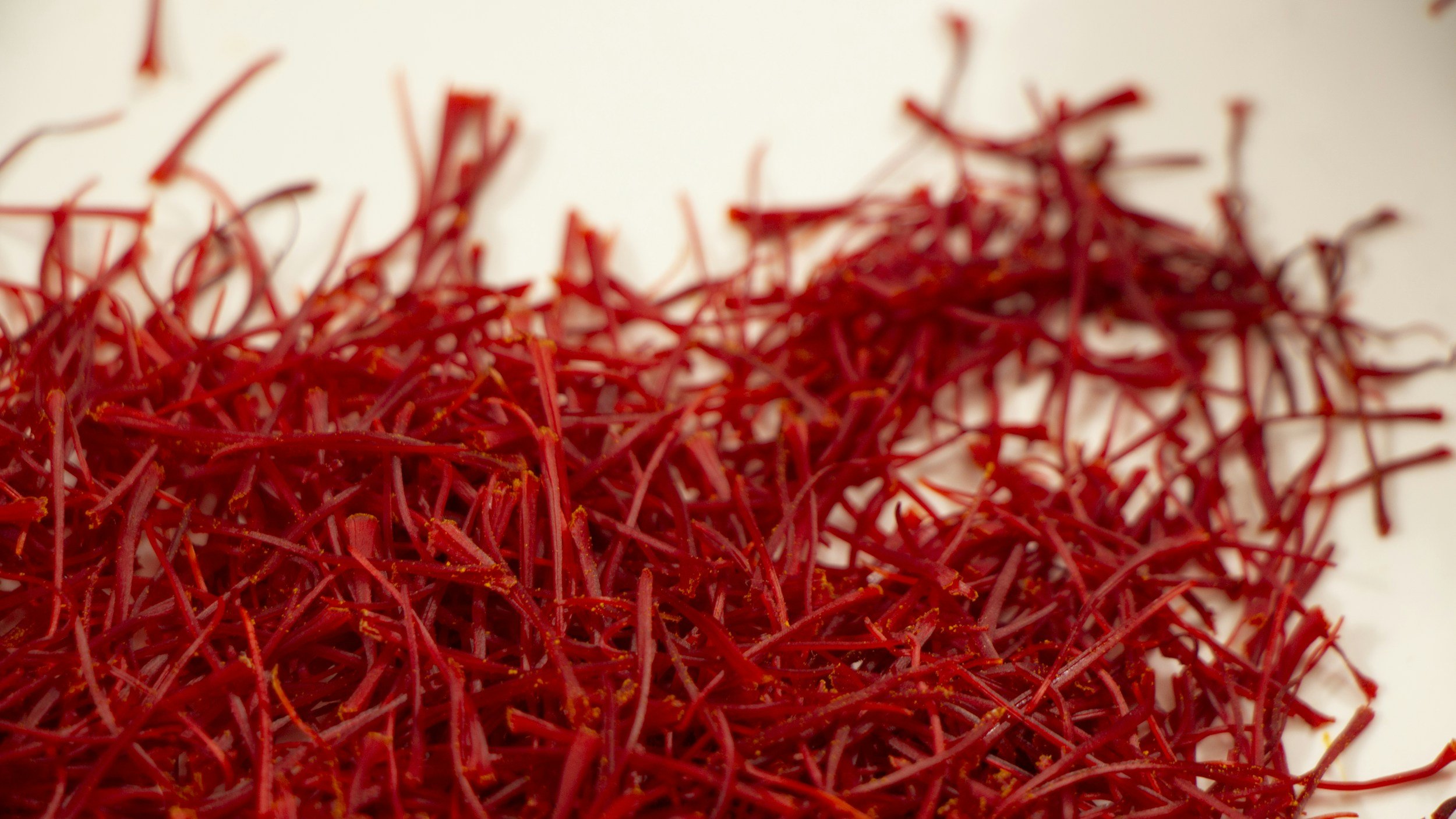
Bad sleep isn't just annoying. It drains your focus, wrecks your mood, and slowly chips away at your long-term health. If you've cycled through white noise, blackout curtains, and cutting caffeine with mixed results, you're not alone. That's why saffron extract for sleep keeps popping up in wellness conversations and research papers. This bright red spice, better known for flavoring rice and paella, is now getting real attention from scientists studying rest and relaxation. Below, we'll break down what the research says, how it works, and how to pick a quality extract without falling for hype.
What Is Saffron Extract?
Saffron comes from Crocus sativus, a small purple flower harvested by hand. The prized part is the crimson stigma, which is dried and used as a spice.
It takes thousands of flowers to produce a single ounce, which is why saffron ranks among the world's most expensive ingredients. A saffron extract concentrates the plant's active compounds into a standardized form, so you get consistent amounts in each dose rather than the variable levels found in raw threads.
For supplements, that concentration matters. It's the difference between guessing and knowing what you're actually taking.
The Active Compounds That Do the Work
Saffron's effects come down to three characterized compounds. Each plays a role in how the extract behaves in your body.
Crocin gives saffron its deep color and is the primary active marker linked to mood and sleep support.
Safranal is responsible for the distinct aroma and has been studied for its calming, antioxidant properties.
Picrocrocin creates saffron's slightly bitter taste and serves as a quality marker in standardized extracts.
When a product lists these compounds by percentage, it tells you the extract was tested and measured. That transparency is a green flag worth looking for.
How Saffron May Support Better Sleep
Sleep problems often trace back to two culprits: a busy mind and imbalanced brain chemistry. Saffron appears to influence both.
Research suggests saffron affects serotonin activity, the neurotransmitter tied to mood regulation. Serotonin is also a building block for melatonin, the hormone that signals your body it's time to wind down. By supporting this pathway, saffron may help set the stage for rest.
There's also the anxiety angle. Many people can't sleep because they can't switch off mentally. Saffron has been studied for its role in easing mild anxiety and low mood, which can indirectly improve how quickly you fall asleep and how deeply you stay there.
What Clinical Research Actually Says
Here's where saffron stands apart from most trendy sleep aids: it has human trials behind it.
A systematic review published in PMC examined six randomized clinical trials on saffron and sleep quality. The authors concluded that saffron may improve nervous functions tied to poor sleep, including sleep quality and anxiety, while calling for larger studies to confirm the findings.
A separate meta-analysis summarized on Examine.com pooled results from multiple randomized controlled trials and found that saffron extract supplementation improved sleep quality. That's meaningful, because meta-analyses combine data across studies to spot patterns a single trial might miss.
To be clear, this isn't a miracle cure. The research is promising but still early, and effects tend to be moderate. Saffron works best as one piece of a broader sleep routine, not a magic bullet.
Who Might Benefit From Saffron for Sleep
Saffron isn't just for people with clinical insomnia. It may suit a wider range of tired adults.
You might find it worth trying if you:
Struggle to quiet your mind at night
Deal with low-grade stress or mild mood dips that affect your rest
Want a plant-based option before considering stronger sleep medications
Prefer supplements with actual clinical data behind them
That said, saffron isn't for everyone. If you're pregnant, taking antidepressants, or managing a health condition, talk to your doctor first. High doses can cause side effects, so more is not better here.
How to Choose a Quality Saffron Extract
Not all saffron supplements are equal. The difference between a great product and a wasted purchase usually comes down to standardization and testing.
Look for an extract that lists guaranteed minimum marker levels, not vague "saffron powder" claims. A concentrated, high-quality option should specify crocin of at least 4%, picrocrocin of at least 2%, and safranal of at least 2.5%. Those numbers tell you the actives are present in meaningful amounts.
Third-party lab testing is the other non-negotiable. Independent verification confirms the extract is free from heavy metals, pesticides, and adulterants, which matters for something as valuable and frequently faked as saffron.
If you're researching ingredient options, this concentrated, spec-locked saffron extract for sleep shows what standardized markers and full traceability look like in practice. Use it as a benchmark when comparing labels.
Stacking Saffron With Other Sleep Ingredients
Saffron works well on its own, but it also plays nicely with other calming compounds. Because a concentrated extract takes up little space in a capsule, formulators often pair it with a second active.
Common companions include L-theanine, an amino acid from green tea known for promoting relaxation without drowsiness. Magnesium is another popular match, since it supports muscle relaxation and nervous system function. Some blends add 5-HTP, a serotonin precursor that complements saffron's mood-supporting pathway.
If you go the stack route, start simple. Try one addition at a time so you can tell what's actually helping. Layering five ingredients at once makes it impossible to know what works for your body.
The Bottom Line
Poor sleep affects nearly everything you care about, from energy to patience with your kids. Saffron extract for sleep stands out because it's backed by human research, works through legitimate biological pathways, and fits naturally into a bigger routine of good sleep habits. The evidence is still growing, but early trials and meta-analyses point in a positive direction. If you decide to try it, choose a standardized, third-party-tested extract with clear marker levels, keep your dose reasonable, and give it a few weeks. Better rest may be closer than you think.
